- Home /
- Protection Symbols Jewelry
Protection Symbols Jewelry
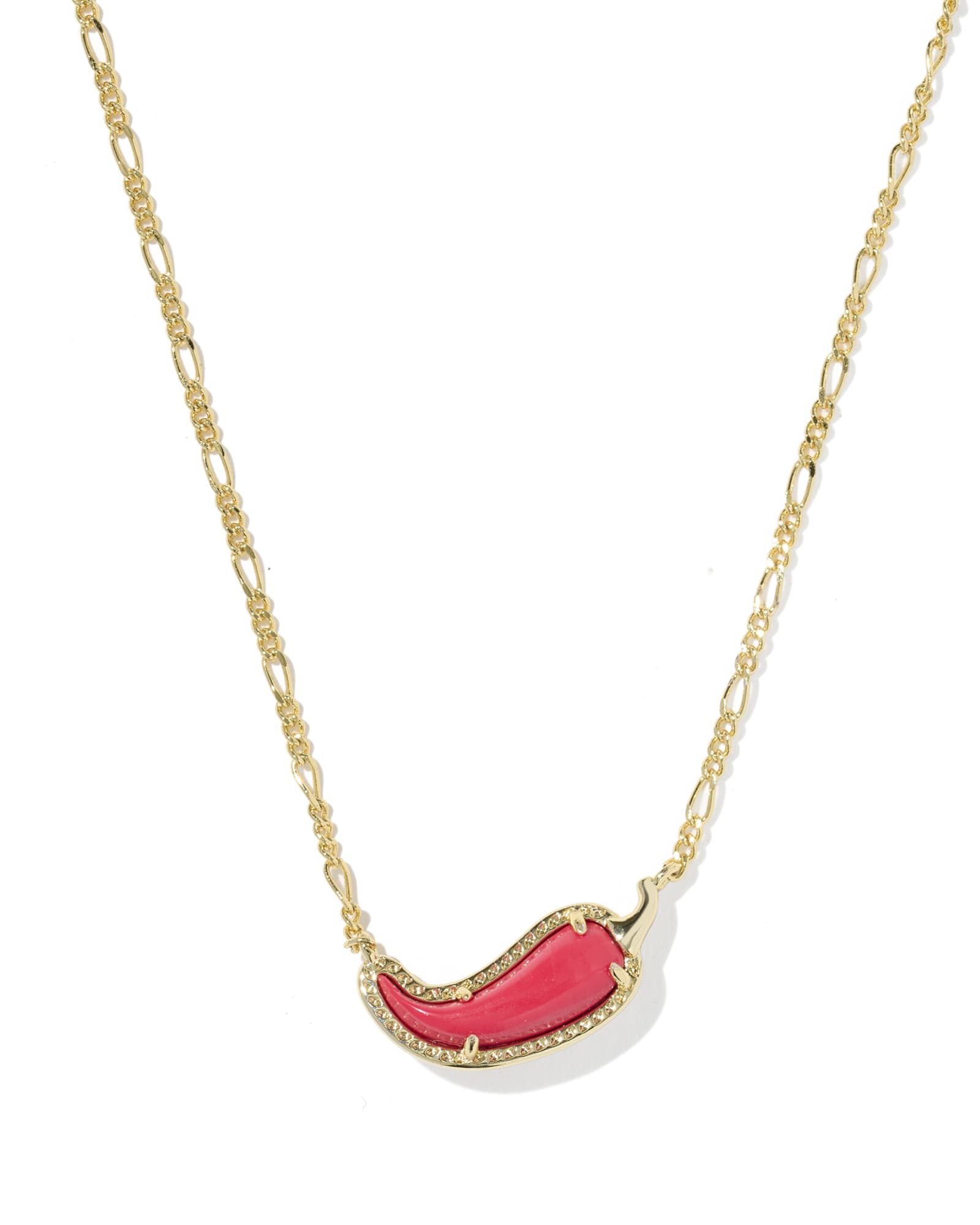
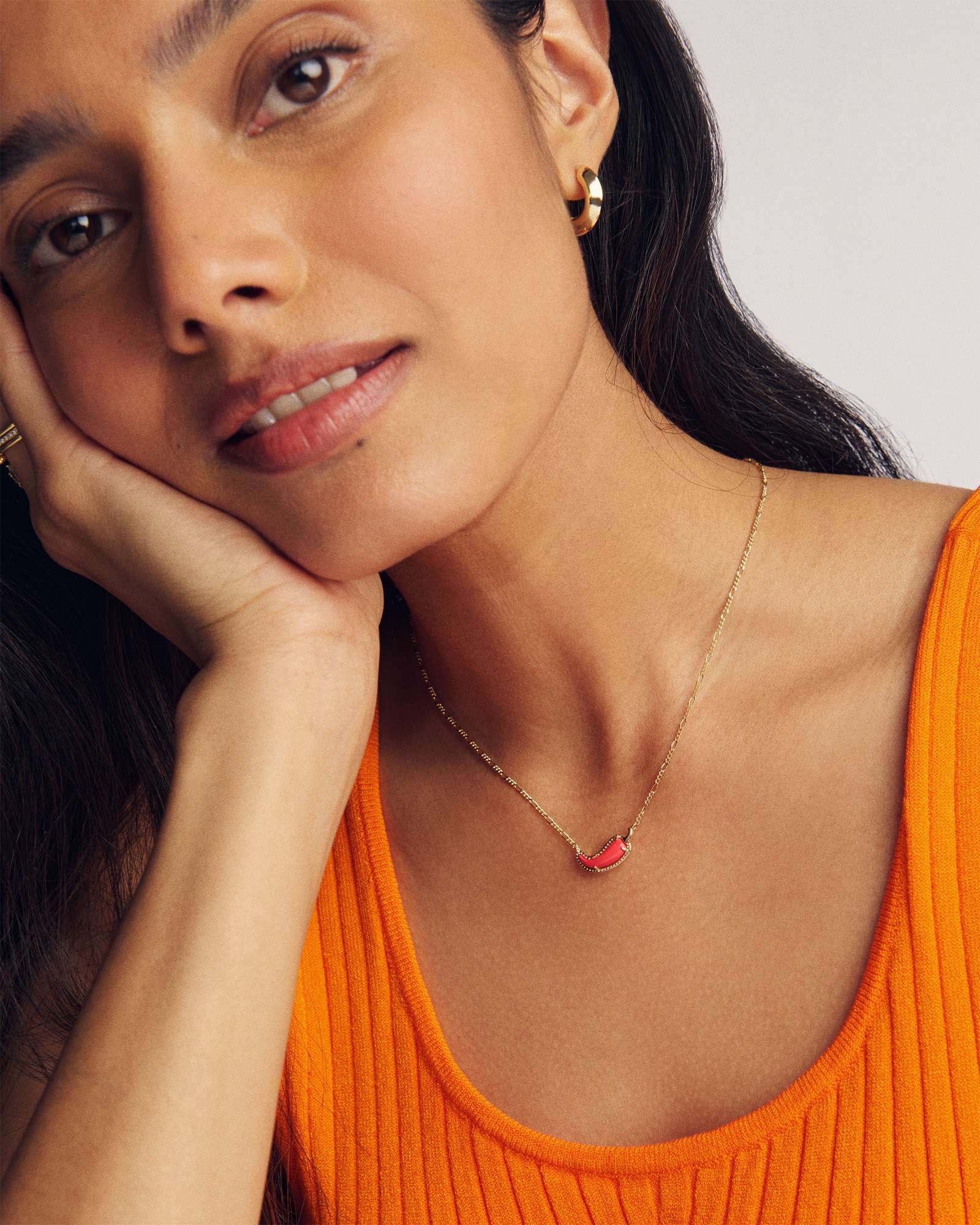
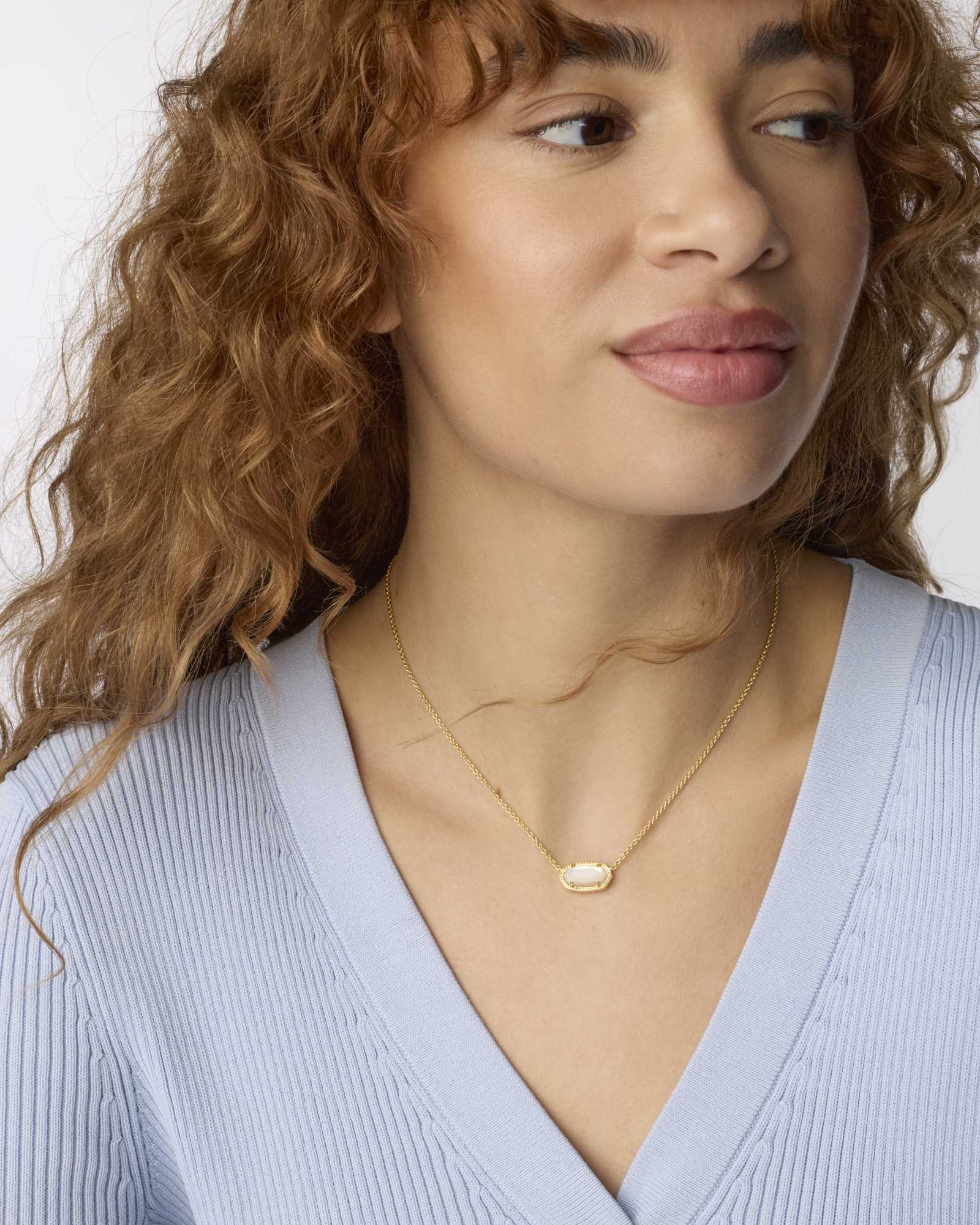
Embrace the power of meaningful adornments with our exquisite collection of protection symbols jewelry. Each piece in this curated selection is designed to offer both beauty and a sense of safeguarding, making them perfect for those who cherish meaningful connections through their accessories. From delicate pendants to intricate bracelets, these pieces are inspired by ancient symbols and modern interpretations alike, creating a harmonious blend of style and significance. Whether you're seeking a talisman for yourself or a heartfelt gift for someone special, our protection symbols jewelry offers an elegant way to express your personal journey and intentions.
Sort by:
0 Item(s)
Filter & Sort
Filter & Sort
0 item(s)
Sort by
This product is not available
Check out the following recommendations.
Protection Symbols Jewelry
Protection symbols jewelry brings meaningful motifs into everyday style, pairing expressive design with reminders of strength, reassurance, and connection. Across many traditions, people have worn symbolic jewelry to express hopes for safety, welcome good fortune, or keep a personal intention close. Those associations give a small pendant or charm a story beyond its shape, whether the wearer connects with a cultural tradition or simply finds comfort in its meaning. Among the most recognizable protection symbols are the evil eye, the hamsa hand, and the horseshoe. The evil eye motif, often depicted as an eye within a rounded outline, is traditionally worn as a symbol of protection against envy or an ill-intentioned gaze. The hamsa, an open-hand motif sometimes incorporating an eye, is associated with protection and blessings in several Middle Eastern and North African traditions, though its meaning varies across communities. The horseshoe has long been associated with luck and protection; an upward-facing shape is often interpreted as holding good fortune. These are cultural and personal meanings rather than promises that jewelry can prevent harm or change events. For many wearers, their appeal lies in the pause they encourage: touching a pendant before a presentation, noticing a familiar shape at the wrist during a busy afternoon, or remembering the person who gave it. Protection jewelry can be deeply personal without needing to announce its significance to everyone in the room. A small, understated motif may feel like a private reminder, while a larger interpretation makes symbolism part of a more expressive look. The same symbol can suit different tastes through its proportions, color, outline, and placement. Choosing a design with a meaning that resonates—and approaching culturally significant motifs with respect—helps create a connection that extends beyond an outfit. Whether worn as an everyday signature or saved for meaningful occasions, symbolic jewelry offers a thoughtful way to bring personal stories into view.
The visual character of protection symbol necklaces, bracelets, earrings, and rings matters just as much as their meaning. A clearly defined outline allows a motif to read at a glance, while a smaller scale can blend easily with jewelry already in regular rotation. Rounded shapes tend to create a softer impression; angular details offer a more graphic presence. Color can make a symbol the focal point of a look or allow it to sit quietly alongside other accessories. Against a simple crewneck, a centered pendant creates a natural point of interest, while an open collar leaves room for a short necklace and a longer layer with space between them. During the cooler months, a symbol worn over a smooth sweater can remain visible without competing with a patterned scarf or textured neckline. Fit influences both appearance and comfort: necklace length determines where a motif rests, bracelet measurements affect how much it moves, and ring sizing helps keep a prominent design positioned comfortably. For someone who spends much of the day typing, a lower-profile ring or a bracelet with less movement may feel easier to wear. Earrings intended for long days should suit the wearer’s preferences for weight and movement, especially when paired with glasses, headphones, or scarves. Material and construction details deserve close attention because an appearance alone does not establish what a piece is made from. The stated metal, finish, decorative elements, dimensions, and care information provide a better basis for choosing than color or shine. Anyone with known sensitivities should check the listed composition, including posts and other components that touch the skin, rather than assume a design will be suitable. Durability also depends on construction and daily habits, not symbolism or visual weight. Smooth edges, manageable proportions, and a closure that feels comfortable to operate help make meaningful jewelry a practical part of getting dressed, whether the day calls for a tailored jacket, an easy knit, or an evening outfit.
Protection-themed jewelry is also a thoughtful gift when the sentiment fits the recipient’s beliefs and personal style. A symbol of reassurance can mark graduation, a new job, a move away from home, or another transition without suggesting that the wearer needs to be different or feel a certain way. For a friend beginning a new chapter, a familiar motif can say that support travels with them. For a family member, it may recall a shared tradition or a symbol that has appeared in meaningful places throughout their life. The strongest connection often comes from a simple, specific message about why the design was chosen, rather than a sweeping promise about luck or protection. Someone who prefers understated accessories may appreciate a discreet scale, while a recipient who enjoys expressive styling may connect with a more noticeable shape or contrasting color. Considering what they already wear—their preferred necklace length, whether they favor earrings over bracelets, and how often they layer accessories—makes the gesture feel attentive. Related meanings can offer another avenue for personal expression; Healing Symbol Jewelry Pieces explores a complementary theme for those drawn to jewelry as a reminder of reflection, encouragement, or emotional connection. Whatever the intention, regular care helps preserve a piece’s appearance and wearability. Follow its stated care directions, since cleaning methods suitable for one material or finish may not suit another. Removing jewelry before swimming, showering, exercise, or household cleaning can reduce exposure to moisture, friction, and chemicals. Let lotions and fragrance dry before putting it on, and store pieces separately to limit tangling and surface contact. A soft pouch or divided jewelry box is useful for keeping delicate shapes from catching on neighboring accessories, while checking closures periodically can help identify a loose connection before wear. These small habits support a lasting place in a daily routine. Ultimately, the appeal of protection symbols jewelry is the balance between visible style and personal significance: a design that feels comfortable, complements the wearer’s life, and carries a meaning worth keeping close.