- Home /
- July Birthday Opal Necklaces
July Birthday Opal Necklaces
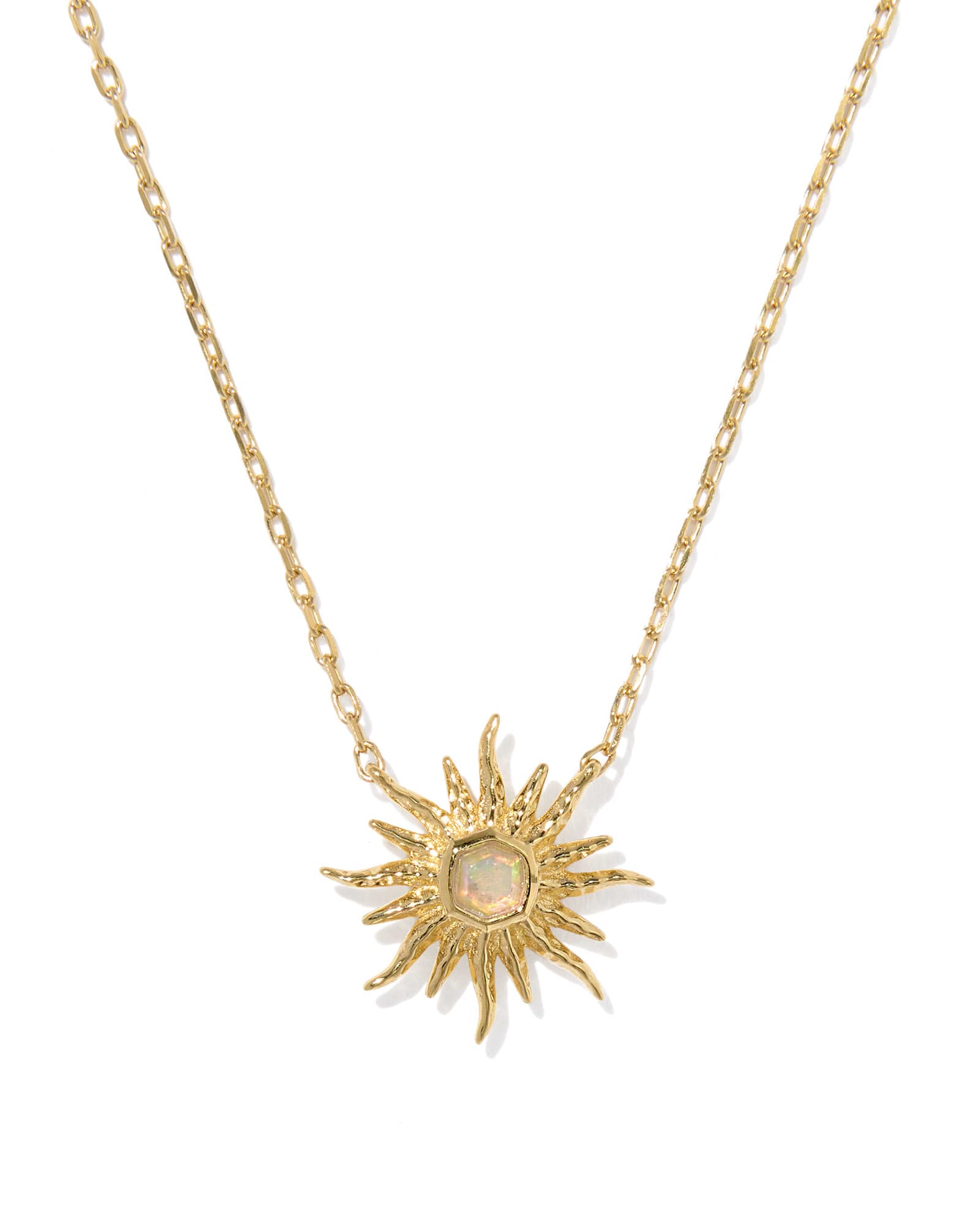
July Birthday Opal Necklaces capture the enchanting spirit of summer with their luminous, iridescent hues. Perfect for celebrating July birthdays, these necklaces add a touch of elegance and personal flair to any look. Whether you’re searching for a meaningful gift or a special treat for yourself, discover designs that shine as brightly as your summer memories. Explore opal necklaces that bring a bold and beachy vibe to every occasion, making every July celebration unforgettable.
Sort by:
0 Item(s)
Filter & Sort
Filter & Sort
0 item(s)
Sort by
This product is not available
Check out the following recommendations.
July Birthday Opal Necklaces
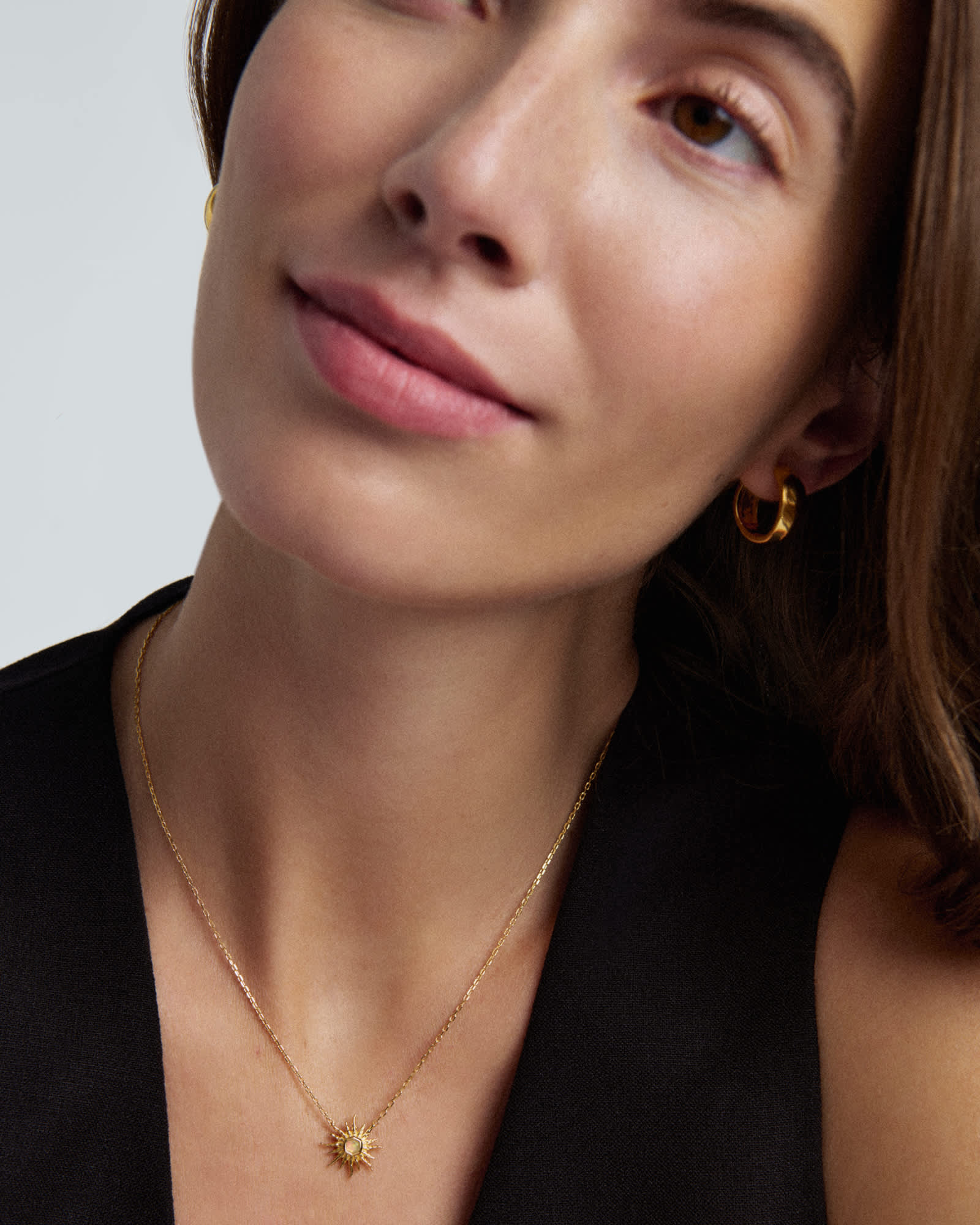
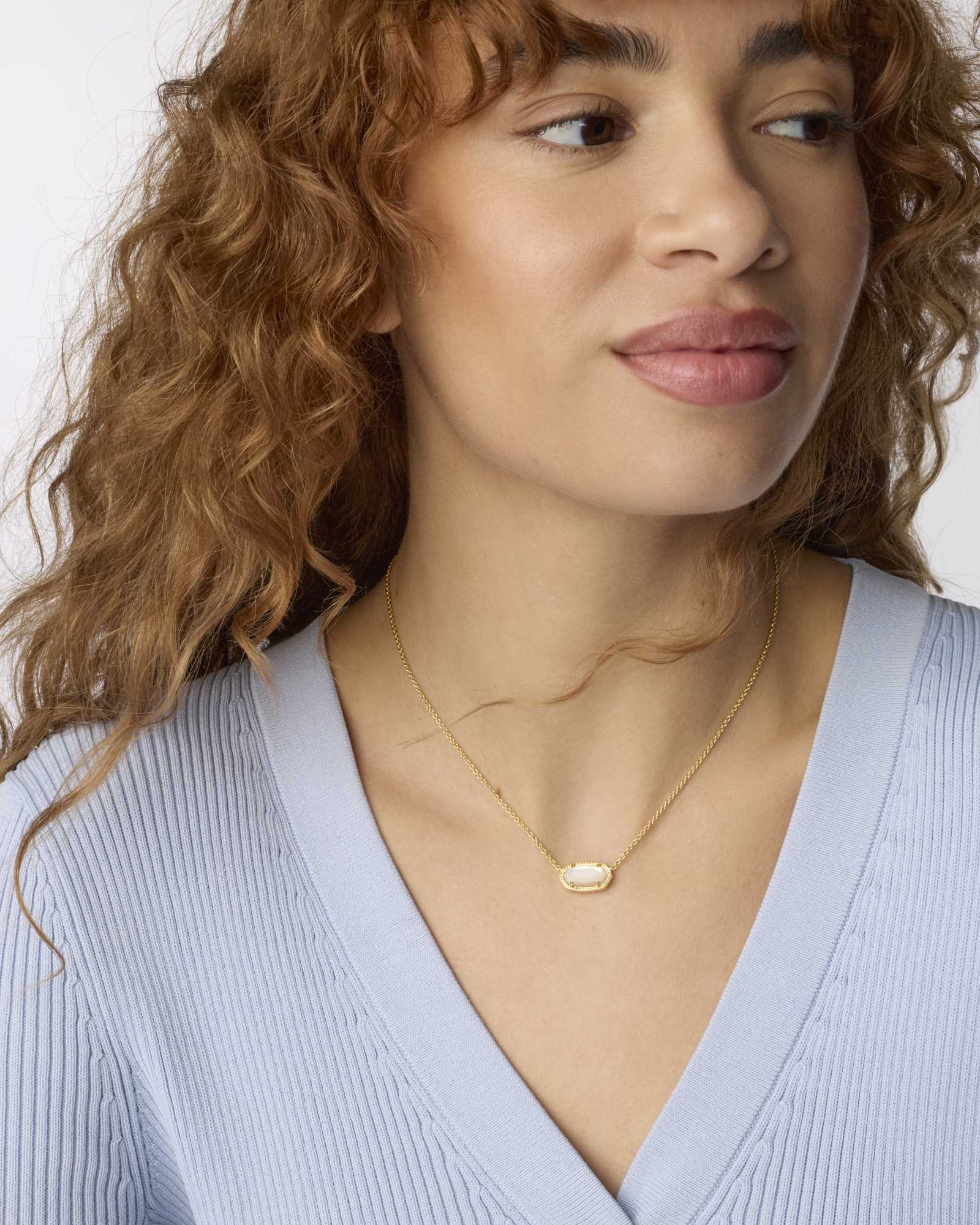
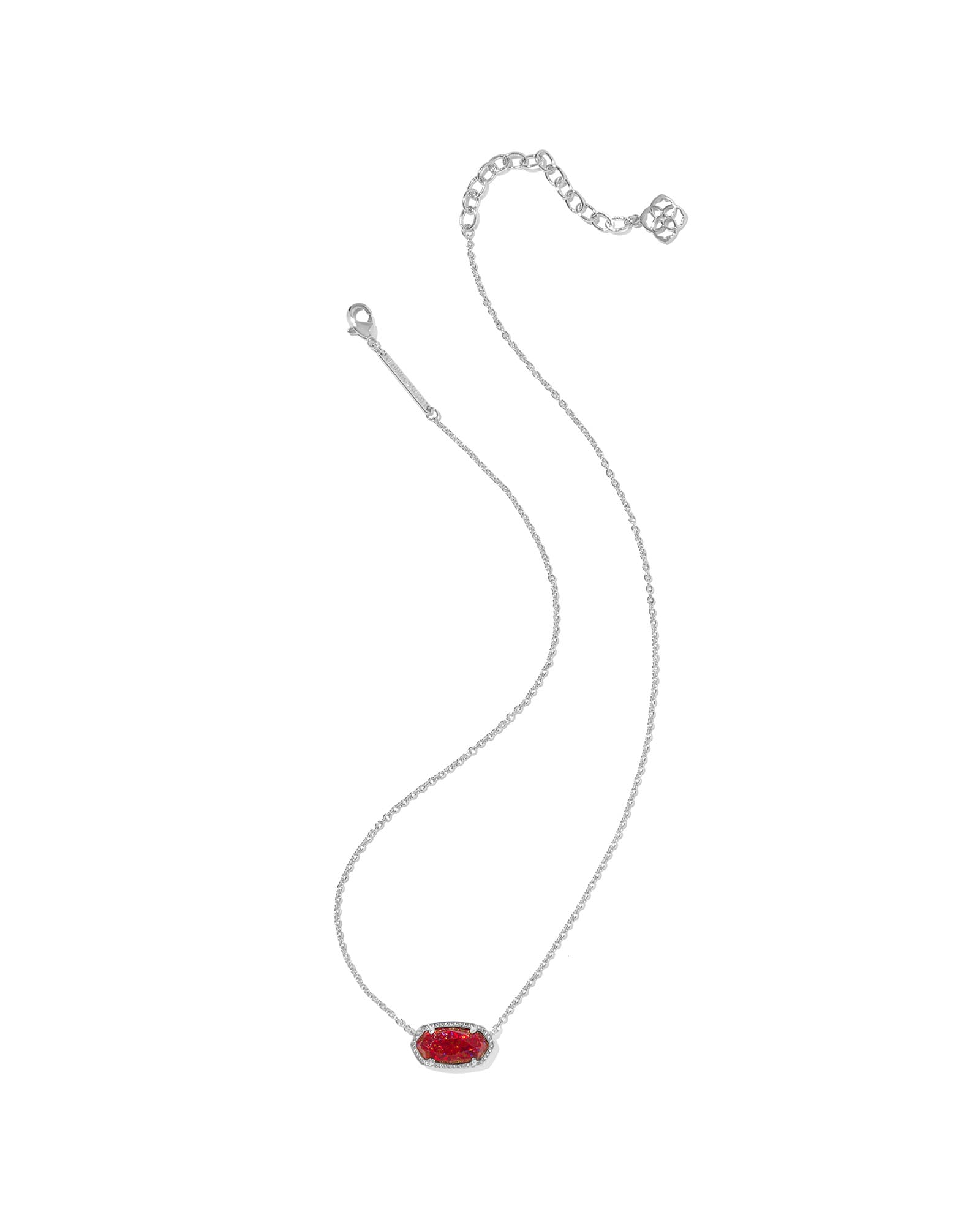
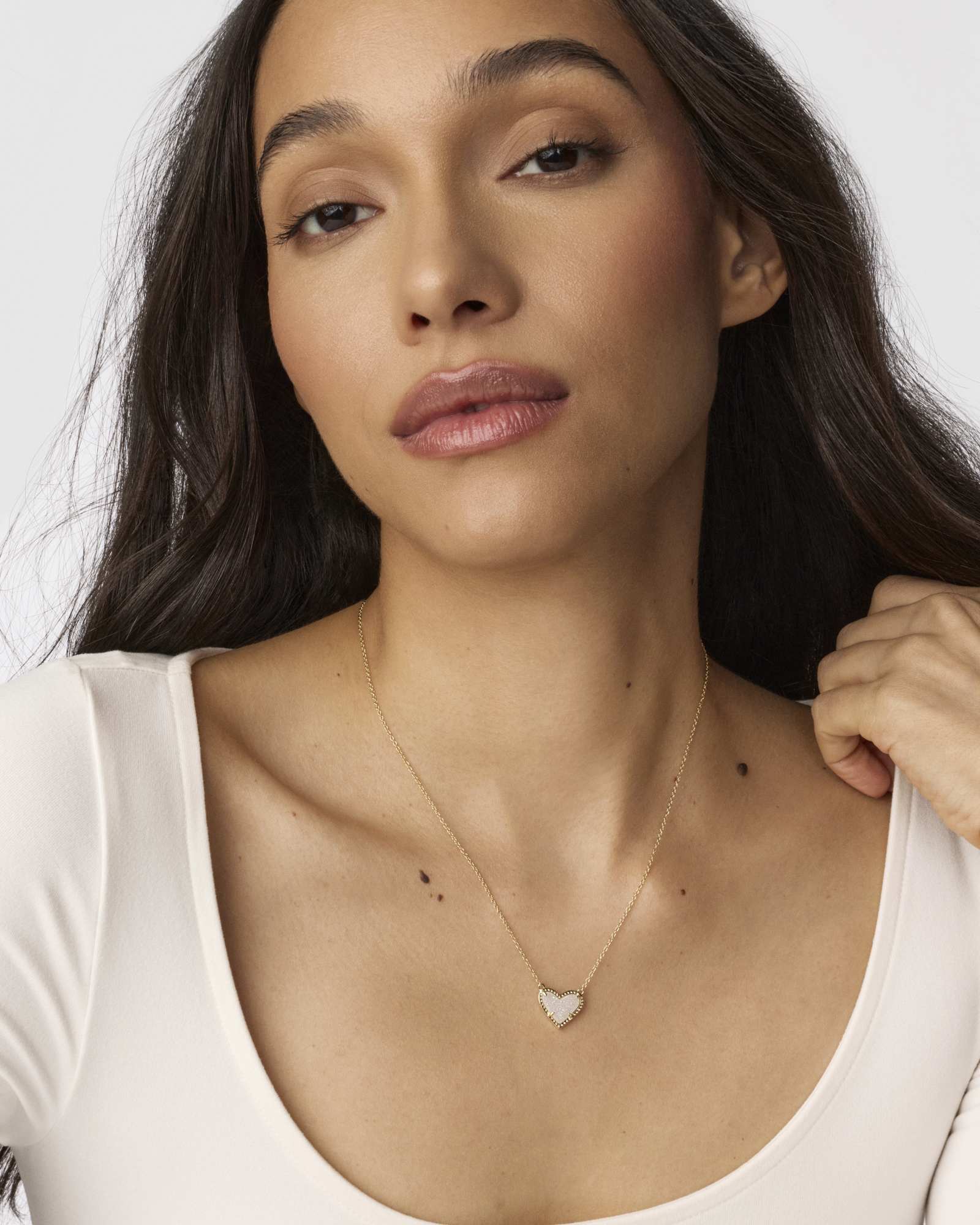
Birthday opal necklaces offer a personal way to celebrate someone whose favorite jewelry is chosen for its color, shape, and character rather than a birthstone calendar. Ruby is the traditional birthstone for the birthdays celebrated here, while opal is an alternative selected for the recipient’s individual taste. An opal necklace does not need to represent a birth month to carry meaning; it can recall a favorite color, complement a much-loved outfit, or simply feel like something the wearer would choose for themselves. The appeal of opal-centered jewelry is its luminous, color-focused look, which can make a necklace feel expressive without requiring an elaborate outfit. Consider the difference between someone who wears a single small pendant every day and someone who enjoys a more noticeable focal point with a simple neckline. Both may appreciate opal, but the scale and silhouette that suit them can be quite different. A rounded shape can create a softer impression, while a more defined outline can bring structure to the overall look. Photographs and individual descriptions are useful for understanding those differences, including how much visual space a pendant occupies and how its color appears against the surrounding finish. For a birthday gift, those details often matter more than following a conventional stone association. A necklace chosen to match a favorite pair of earrings or sit comfortably beside a frequently worn chain shows attention to the recipient’s habits. It can be especially fitting for a partner, sibling, close friend, or family member who enjoys jewelry with a distinctive focal point. The same approach works for a self-selected birthday piece: choose the look that feels comfortable and expressive, not a style that requires an entirely new wardrobe. Whether worn to a birthday dinner, a family gathering, or an ordinary workday afterward, an opal necklace can connect the celebration to the small routines that make jewelry feel personal.
The best fit begins with how a necklace sits, not just how it looks in a close-up image. Chain length, pendant dimensions, and any stated adjustment options help establish whether a design will rest near the collarbone or fall farther down the chest. The same listed length can sit differently depending on the wearer’s proportions, so comparing measurements with a necklace they already enjoy is a useful starting point. For a gift, a familiar piece can also provide clues about preferred pendant size and how much movement feels comfortable. Someone who spends the day leaning over a desk may favor a necklace that stays close to the neckline, while a person who likes open collars may prefer a little more length. Clothing offers another practical point of reference. A small focal point can sit neatly above a crew neckline, while a longer necklace may work better over an uninterrupted area of fabric. When layering, leave enough distance between necklaces for each shape to remain visible rather than letting pendants compete at the same height. Opal’s color can also be considered alongside the finishes already worn most often. A warmer-looking finish creates a different impression from a cooler-looking one, but appearance alone does not establish the metal or construction. Review the stated materials, stone details, finish, clasp, and measurements for each design rather than making assumptions from a photograph. That is particularly important for a wearer with known sensitivities or specific care needs. The listing should also be the source for any information about how the stone is made or treated; the word opal by itself does not answer every material question. Comfort includes practical details, too, such as whether the clasp suits the wearer’s dexterity and whether the pendant’s size feels manageable throughout the day. For another birthday-jewelry direction, explore July Birthstone Diamond Necklaces alongside opal styles. The strongest choice is the one that reflects the recipient’s taste and fits naturally into the way they get dressed.
An opal necklace can become part of a regular jewelry rotation, but its intended use should be considered alongside its materials and care requirements. A piece worn occasionally to dinners and celebrations has a different routine from one worn through a full day of errands, commuting, and work. Durability depends on the individual necklace’s construction and how it is handled, so no appearance or category name should be treated as a promise that a piece can withstand every activity. Before wearing, check that the clasp closes securely and that the chain is not twisted or caught around the pendant. Remove the necklace before exercise, swimming, bathing, or household tasks that could expose it to impacts, snagging, or cleaning products, unless the supplied care information specifically indicates otherwise. Applying fragrance, lotion, and hair products before putting on jewelry can help reduce direct contact with those products. Cleaning should follow the instructions provided for the particular piece, especially when more than one material is involved. Do not assume that a method suitable for the chain is also suitable for the stone or setting, and avoid steam, ultrasonic equipment, polishing compounds, or liquid cleaners unless they are expressly recommended. Between wears, store the necklace separately so the pendant does not rub against other jewelry and the chain is less likely to tangle. A designated compartment can also make it easier to find the piece without pulling through several necklaces at once. These small habits support enjoyable wear without turning jewelry care into a complicated routine. When giving an opal necklace, a short note about why its color or shape brought the recipient to mind can add a connection that a birthstone chart cannot provide. Include any supplied care information so the wearer can make informed choices from the beginning. A well-chosen birthday necklace feels considered both at the moment it is opened and later, when it is fastened before a familiar occasion. Its lasting appeal comes from the relationship between the design and the person wearing it: a comfortable length, a pleasing focal point, and a look that feels like their own.