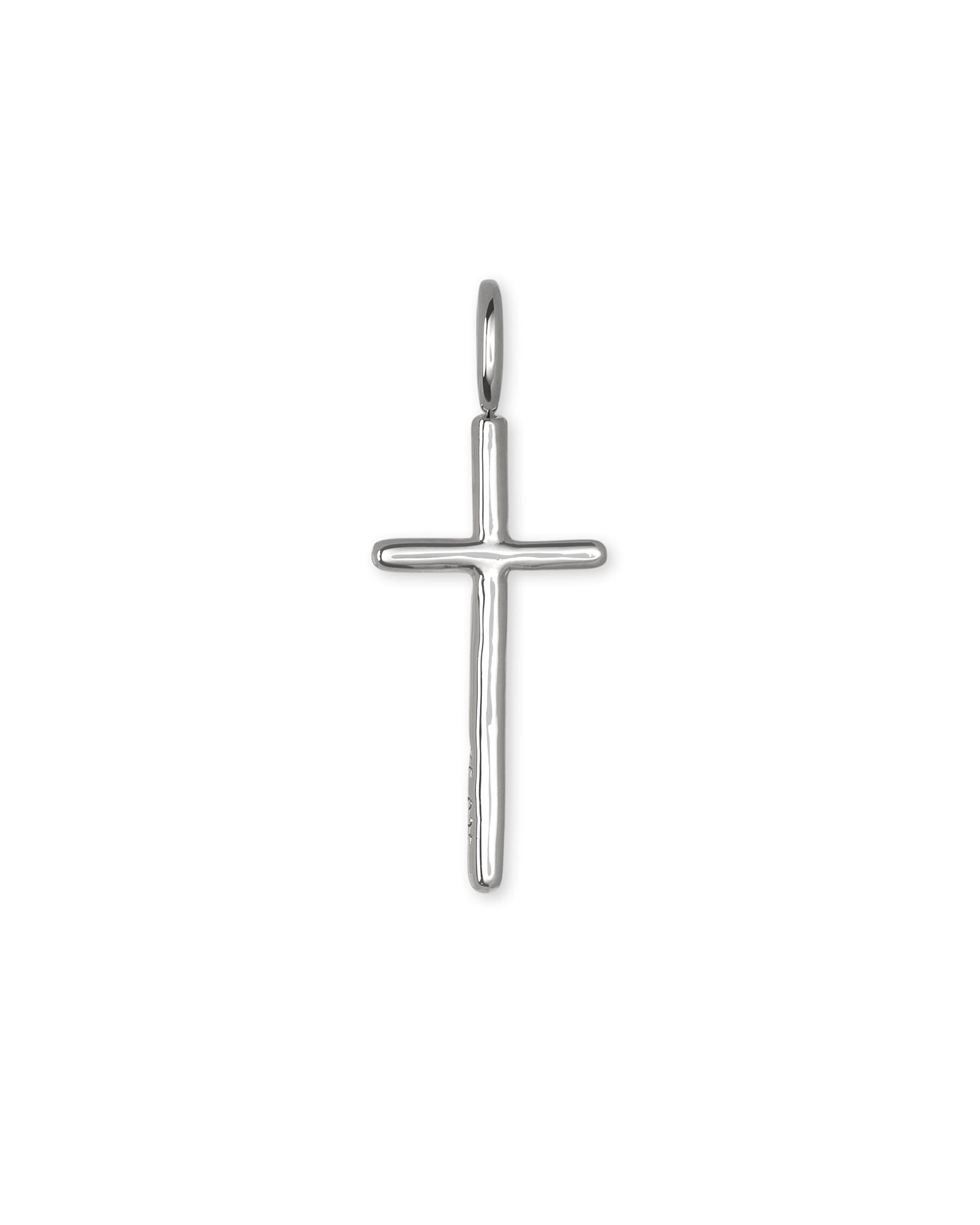
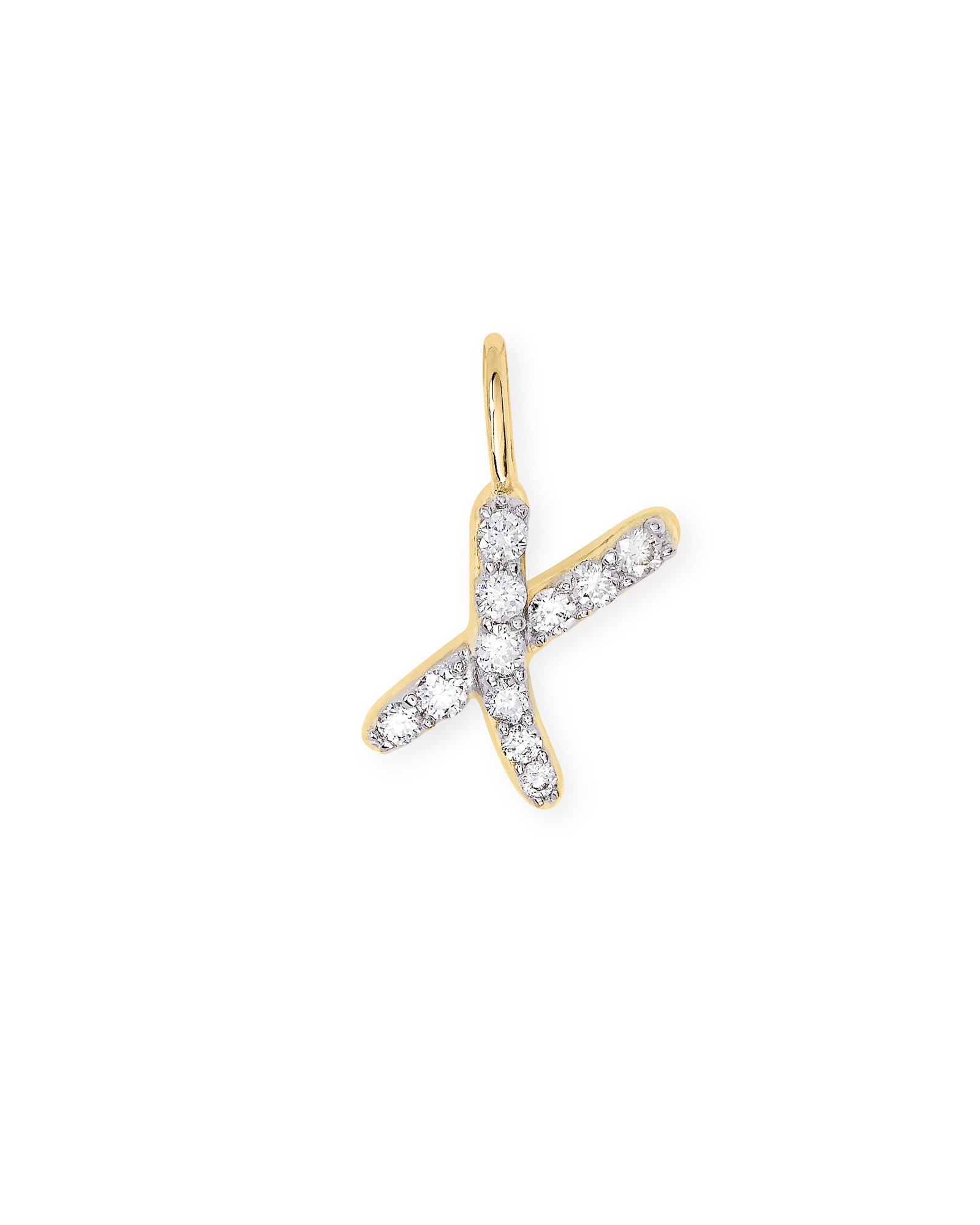
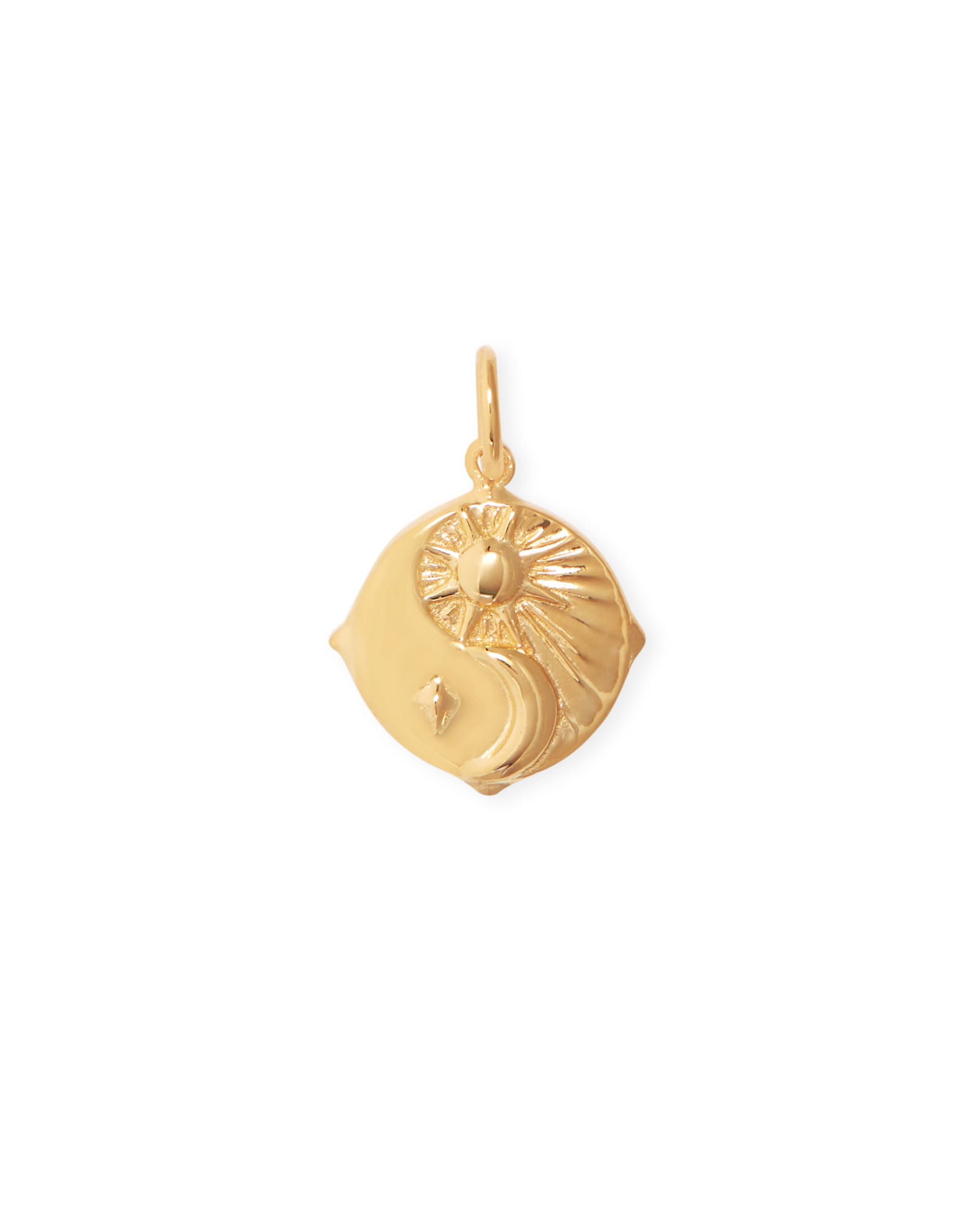
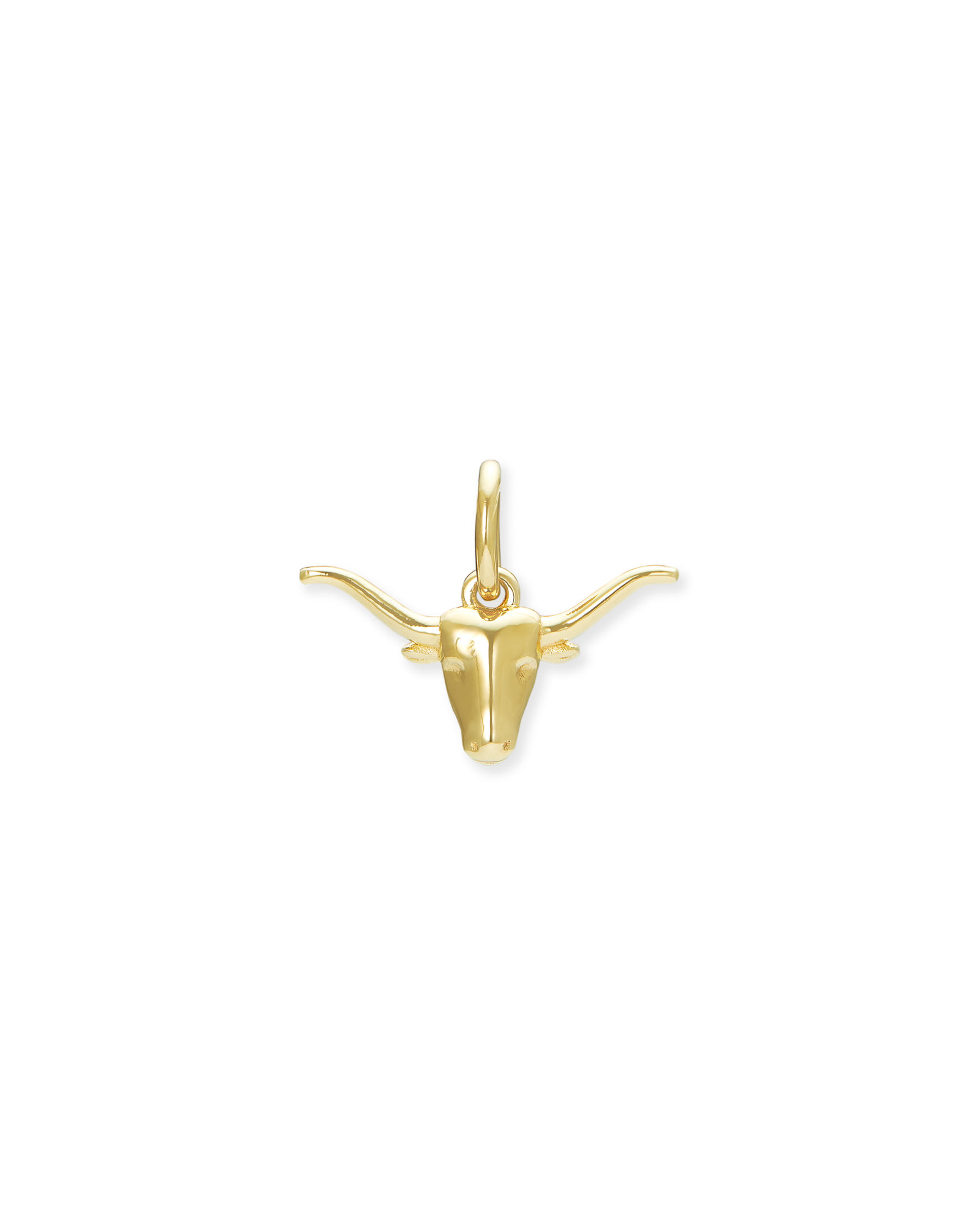
Elevate your elegance with our stunning collection of women's diamond pendants, where timeless sophistication meets modern design. Each pendant in our curated selection showcases the brilliance and fire of exquisite diamonds, meticulously set to capture light from every angle. Perfect for any occasion, these dazzling pieces add a touch of luxury to everyday wear or serve as breathtaking focal points for more formal ensembles. Discover the perfect diamond pendant that speaks to your unique style and lets your inner beauty shine through.
Women's Diamond Pendants
Sort by:
0 Item(s)
Filter & Sort
Filter & Sort
0 item(s)
Sort by


This product is not available
Check out the following recommendations.
Women's Diamond Pendants
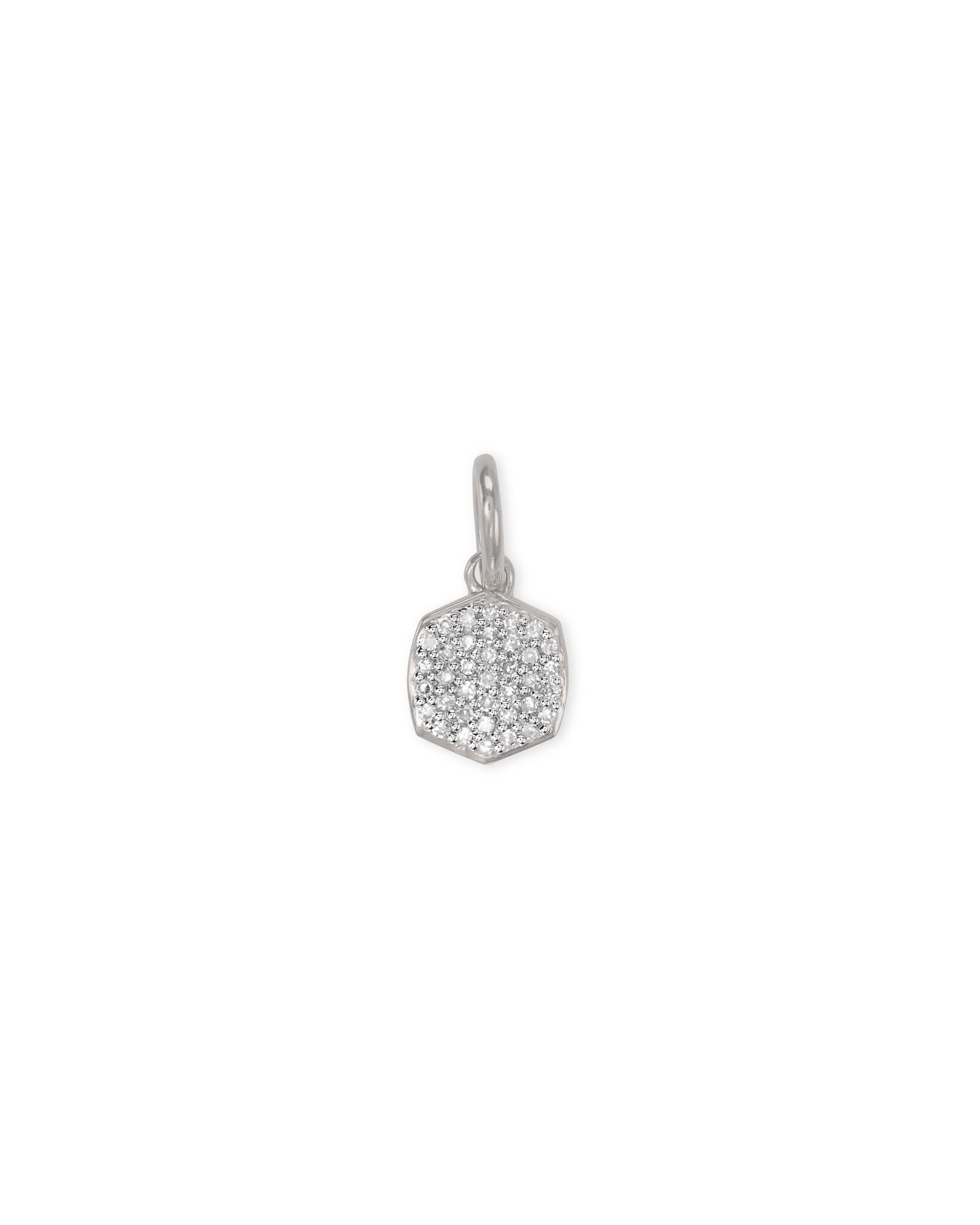
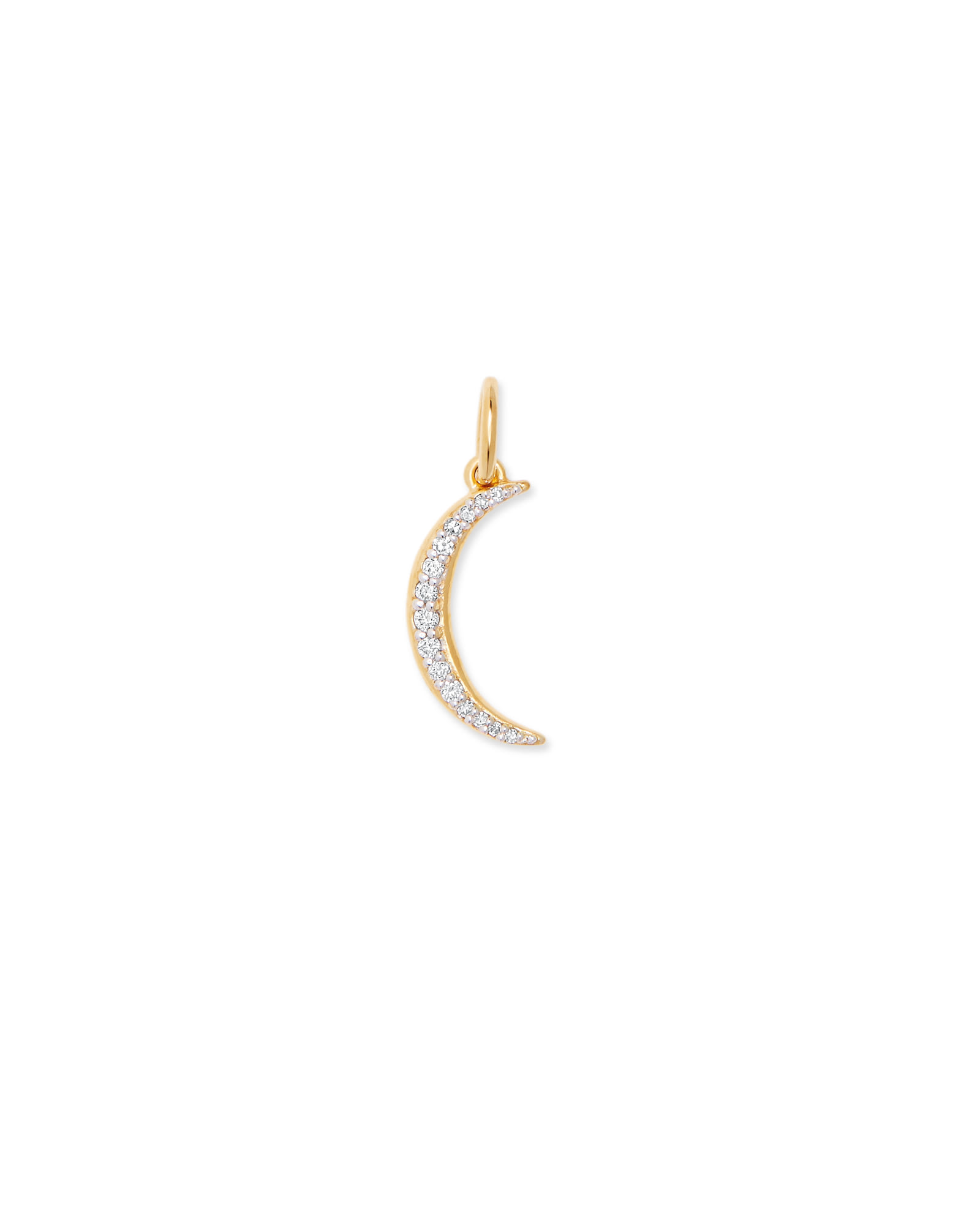
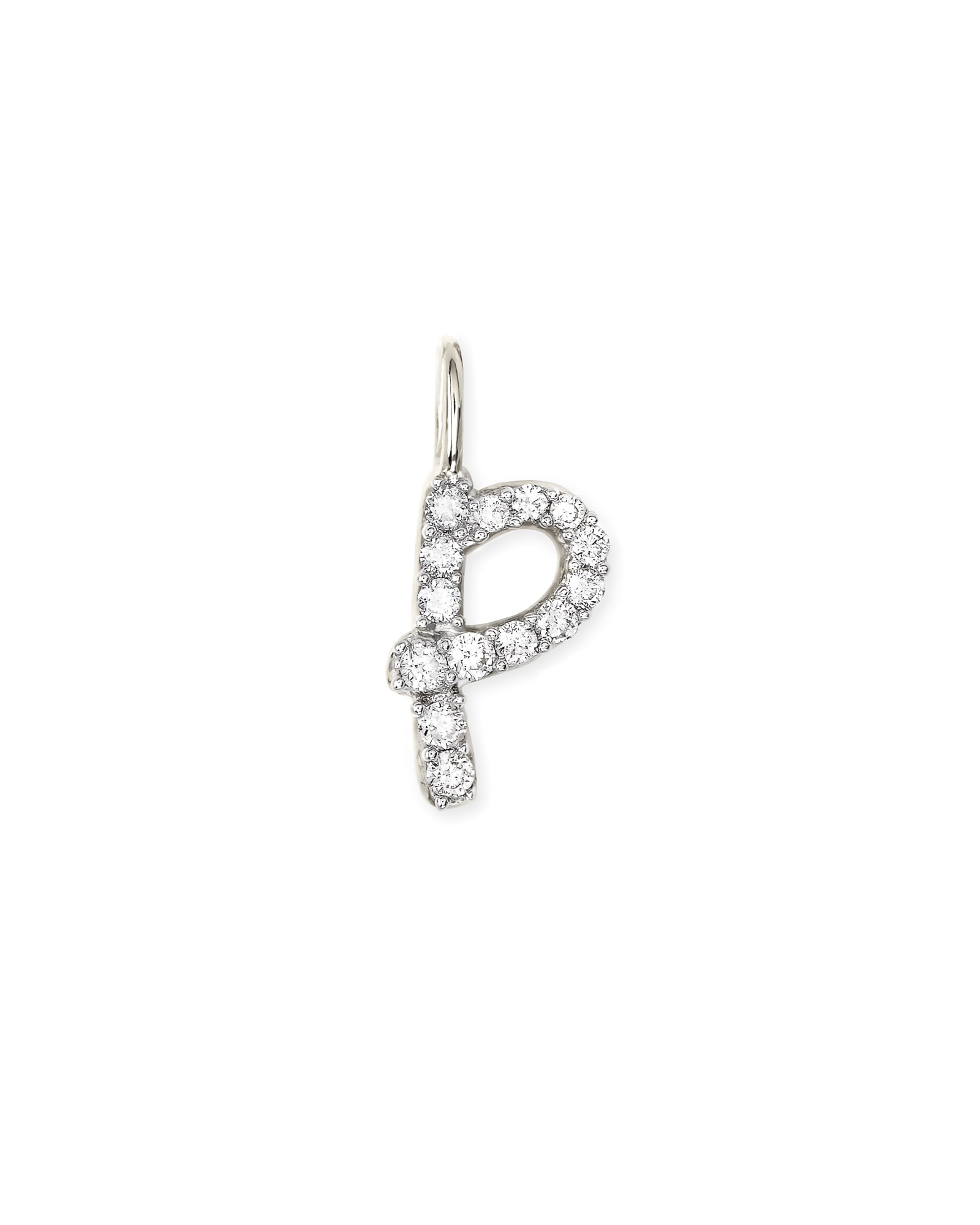
Women’s diamond pendants bring a focused touch of sparkle to a neckline, with a shape and scale that can feel quietly personal or distinctly expressive. A pendant is the decorative element suspended from a necklace, so its outline, proportions, and placement all contribute to the overall look. Within the broader category, familiar styles include solitaires, halos, clusters, and symbolic motifs. A solitaire design centers on a single diamond for a simple focal point; a halo frames a center stone with smaller stones; and a cluster groups stones into a larger visual composition. Motif designs place the emphasis on a recognizable shape or symbol, allowing the jewelry to carry a meaning beyond its sparkle. These differences offer useful context when comparing silhouettes, although the details of each design should always come from its description. For someone who prefers understated jewelry, a small pendant can add definition to an open collar without competing with the rest of an outfit. Someone drawn to more noticeable accessories may prefer a larger outline or a more detailed arrangement that holds its own against a simple dress. The appeal is not limited to special occasions: a diamond pendant can become the finishing detail that makes a familiar outfit feel considered, whether worn with a button-down for a presentation or a scoop-neck top for dinner with friends. Shape also influences the mood. Rounded contours feel soft, angular outlines add definition, and elongated shapes draw the eye vertically. Neither size nor sparkle alone determines the effect; the relationship between the pendant, its chain, and the neckline matters just as much. A women’s diamond pendant necklace can serve as a single focal point or the starting point for a layered combination, depending on the wearer’s preferences. The most satisfying choice feels connected to a person’s everyday style rather than reserved for an imagined occasion, bringing a small but meaningful sense of polish to clothing already loved and worn.
Proportion and fit help turn an appealing design into jewelry that feels comfortable throughout the day. Chain length affects where a pendant rests, but the same length can sit differently depending on neck size, posture, and the pendant’s dimensions. A shorter necklace may place the design near the collarbone, while a longer one lets it fall farther down the chest. Comparing a stated length with a necklace that already fits well offers a more useful reference than judging from a photograph alone. Pendant measurements deserve the same attention: a close-up image reveals detail, but the listed height and width give a clearer sense of how much space the design will occupy. For a V-neck, a pendant resting within the opening can echo the garment’s lines; with a higher neckline, a length that places the design fully above or below the fabric edge helps keep it visible. Layering works best when necklaces have enough separation for each pendant or chain to read clearly. Two pieces that end at nearly the same point can overlap, turn, or rub together as the wearer moves. A single pendant offers an equally complete look, especially when paired with earrings that share its visual scale rather than competing for attention. Materials and construction are important considerations, but color and photographs do not establish composition. The description should identify the metal, diamond details, and any stated treatment or finish; those specifications matter more than assumptions based on appearance. Anyone with known sensitivities should check the disclosed composition against their own needs. It is also worth confirming whether a chain is included, whether its length is adjustable, and how the closure operates. If pairing a pendant with a separate chain, the pendant opening needs to accommodate the chain and its end fittings. These practical details shape the wearing experience, from fastening a necklace before work to keeping a pendant comfortably positioned through an evening out.
Diamond pendants can mark a milestone, express affection, or simply celebrate an individual’s taste. A graduation gift might honor a new beginning, while an anniversary or birthday gift can reflect a relationship through a shape the recipient already loves. For a friend, partner, sister, or mother, noticing existing jewelry habits often offers the clearest direction. Someone who wears the same small earrings every day may appreciate a similarly restrained pendant; someone who mixes necklaces and enjoys distinctive silhouettes may welcome a design with more visual presence. The color of the jewelry they reach for, their usual necklace length, and whether they prefer symbols or abstract shapes can make a gift feel considered without requiring an exact match to everything they own. Choosing a pendant for oneself can be just as meaningful, whether it commemorates an accomplishment or adds a finishing detail to an everyday wardrobe. Long-term enjoyment also depends on care suited to the complete piece, not just the diamond. Diamonds resist scratching, but they are not immune to damage, and a pendant’s chain, clasp, and stone-setting components require attention as well. Removing a necklace before exercise, swimming, or tasks that could catch the chain helps reduce unnecessary exposure and strain. Apply lotions, fragrance, and hair products before putting on jewelry, and follow the stated care directions rather than assuming every finish or setting can tolerate the same cleaning method. A gentle wipe with a soft cloth after wear can help remove surface residue; more involved cleaning should follow the recommendations for the piece’s stated materials and construction. Store necklaces separately so chains are less likely to knot and pendants do not rub against other jewelry. Before wearing, take a moment to check that the clasp closes securely and that nothing appears loose or bent. If a stone moves or a setting catches unexpectedly on fabric, set the necklace aside for professional assessment. With thoughtful selection and attentive care, a diamond pendant can feel equally at home during an ordinary afternoon and a meaningful celebration, its personal significance shaped by the moments in which it is worn.
Proportion and fit help turn an appealing design into jewelry that feels comfortable throughout the day. Chain length affects where a pendant rests, but the same length can sit differently depending on neck size, posture, and the pendant’s dimensions. A shorter necklace may place the design near the collarbone, while a longer one lets it fall farther down the chest. Comparing a stated length with a necklace that already fits well offers a more useful reference than judging from a photograph alone. Pendant measurements deserve the same attention: a close-up image reveals detail, but the listed height and width give a clearer sense of how much space the design will occupy. For a V-neck, a pendant resting within the opening can echo the garment’s lines; with a higher neckline, a length that places the design fully above or below the fabric edge helps keep it visible. Layering works best when necklaces have enough separation for each pendant or chain to read clearly. Two pieces that end at nearly the same point can overlap, turn, or rub together as the wearer moves. A single pendant offers an equally complete look, especially when paired with earrings that share its visual scale rather than competing for attention. Materials and construction are important considerations, but color and photographs do not establish composition. The description should identify the metal, diamond details, and any stated treatment or finish; those specifications matter more than assumptions based on appearance. Anyone with known sensitivities should check the disclosed composition against their own needs. It is also worth confirming whether a chain is included, whether its length is adjustable, and how the closure operates. If pairing a pendant with a separate chain, the pendant opening needs to accommodate the chain and its end fittings. These practical details shape the wearing experience, from fastening a necklace before work to keeping a pendant comfortably positioned through an evening out.
Diamond pendants can mark a milestone, express affection, or simply celebrate an individual’s taste. A graduation gift might honor a new beginning, while an anniversary or birthday gift can reflect a relationship through a shape the recipient already loves. For a friend, partner, sister, or mother, noticing existing jewelry habits often offers the clearest direction. Someone who wears the same small earrings every day may appreciate a similarly restrained pendant; someone who mixes necklaces and enjoys distinctive silhouettes may welcome a design with more visual presence. The color of the jewelry they reach for, their usual necklace length, and whether they prefer symbols or abstract shapes can make a gift feel considered without requiring an exact match to everything they own. Choosing a pendant for oneself can be just as meaningful, whether it commemorates an accomplishment or adds a finishing detail to an everyday wardrobe. Long-term enjoyment also depends on care suited to the complete piece, not just the diamond. Diamonds resist scratching, but they are not immune to damage, and a pendant’s chain, clasp, and stone-setting components require attention as well. Removing a necklace before exercise, swimming, or tasks that could catch the chain helps reduce unnecessary exposure and strain. Apply lotions, fragrance, and hair products before putting on jewelry, and follow the stated care directions rather than assuming every finish or setting can tolerate the same cleaning method. A gentle wipe with a soft cloth after wear can help remove surface residue; more involved cleaning should follow the recommendations for the piece’s stated materials and construction. Store necklaces separately so chains are less likely to knot and pendants do not rub against other jewelry. Before wearing, take a moment to check that the clasp closes securely and that nothing appears loose or bent. If a stone moves or a setting catches unexpectedly on fabric, set the necklace aside for professional assessment. With thoughtful selection and attentive care, a diamond pendant can feel equally at home during an ordinary afternoon and a meaningful celebration, its personal significance shaped by the moments in which it is worn.