- Home /
- Prismatic Jewelry Charms For Bracelets
Prismatic Jewelry Charms For Bracelets
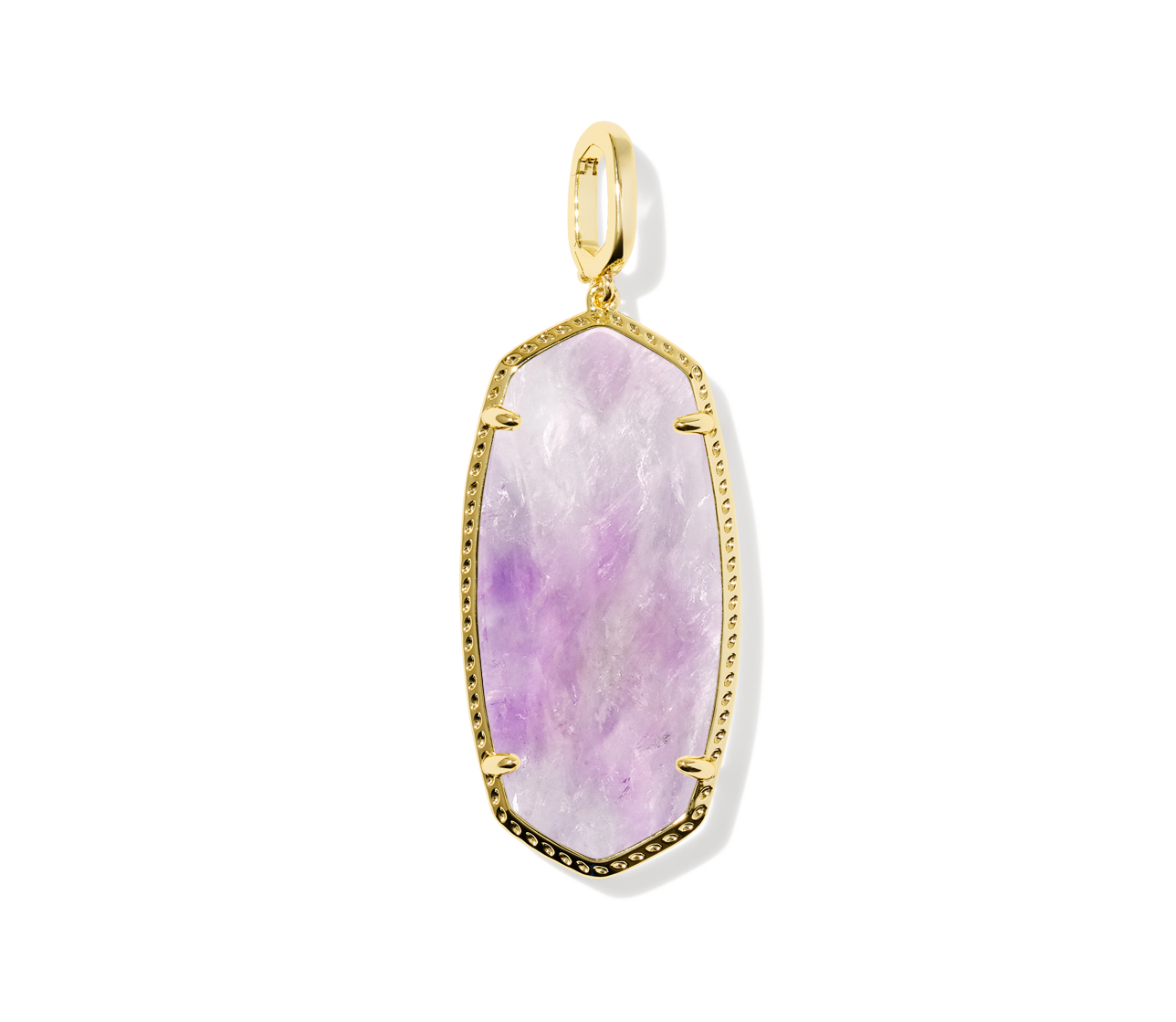
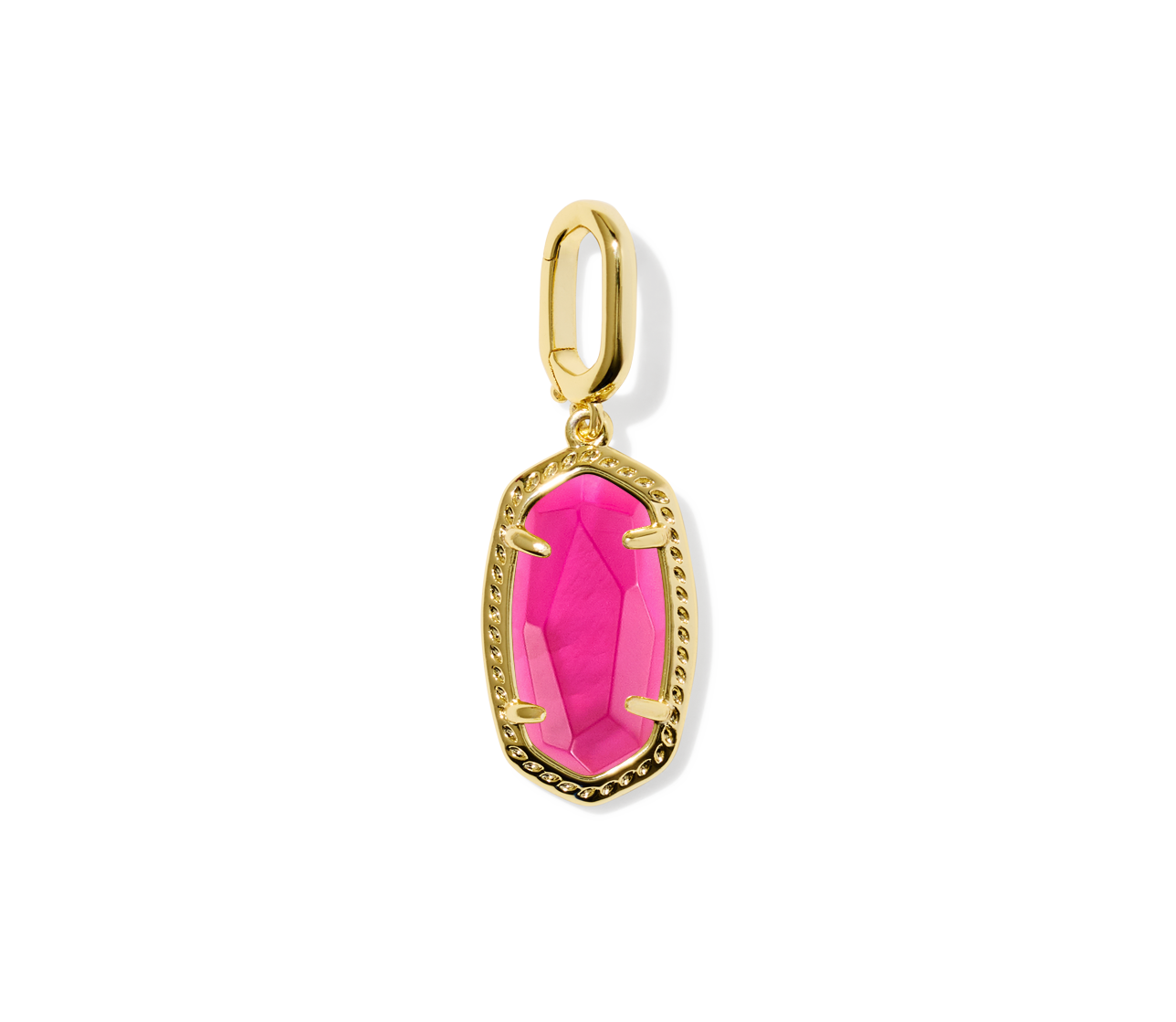
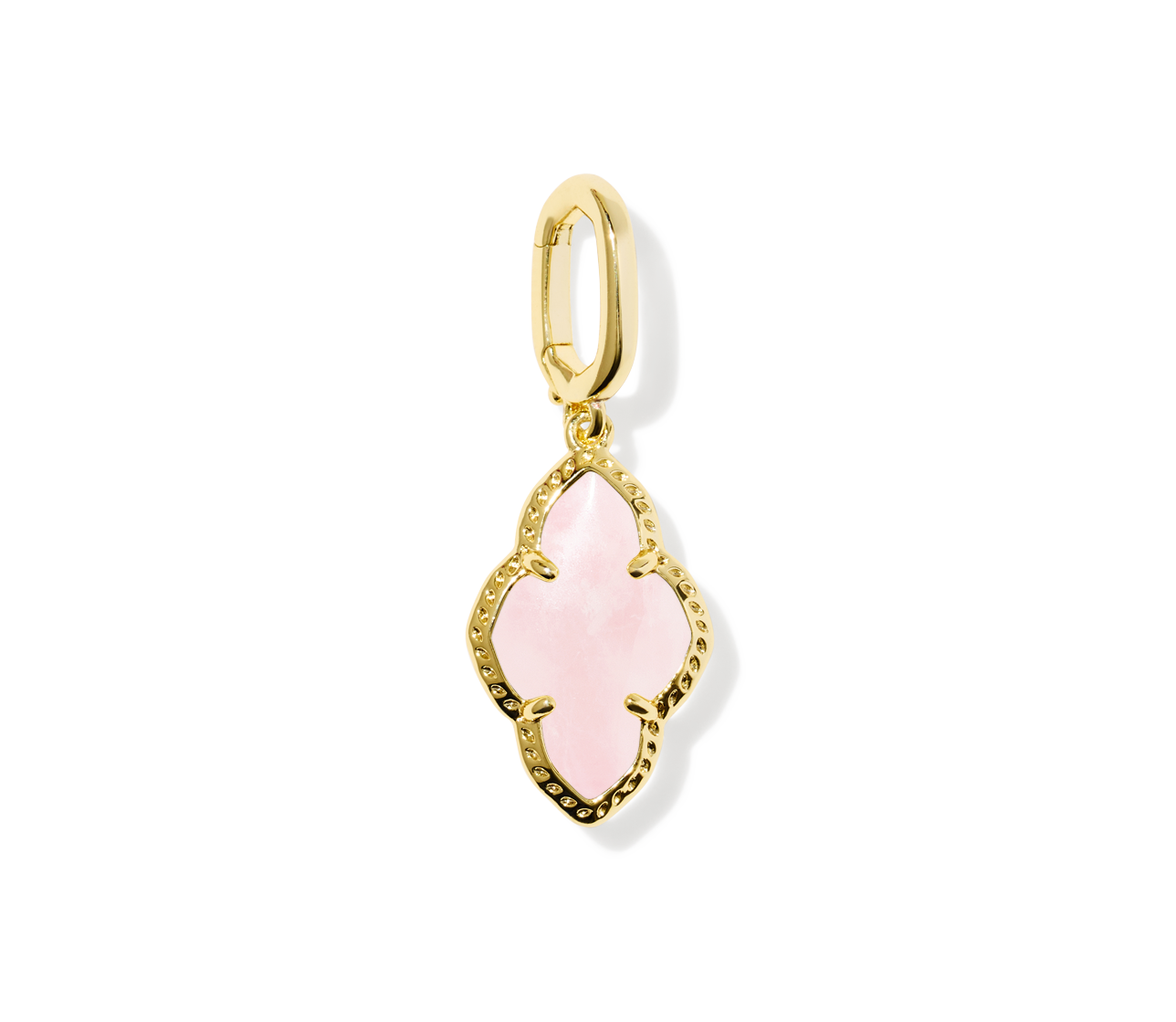
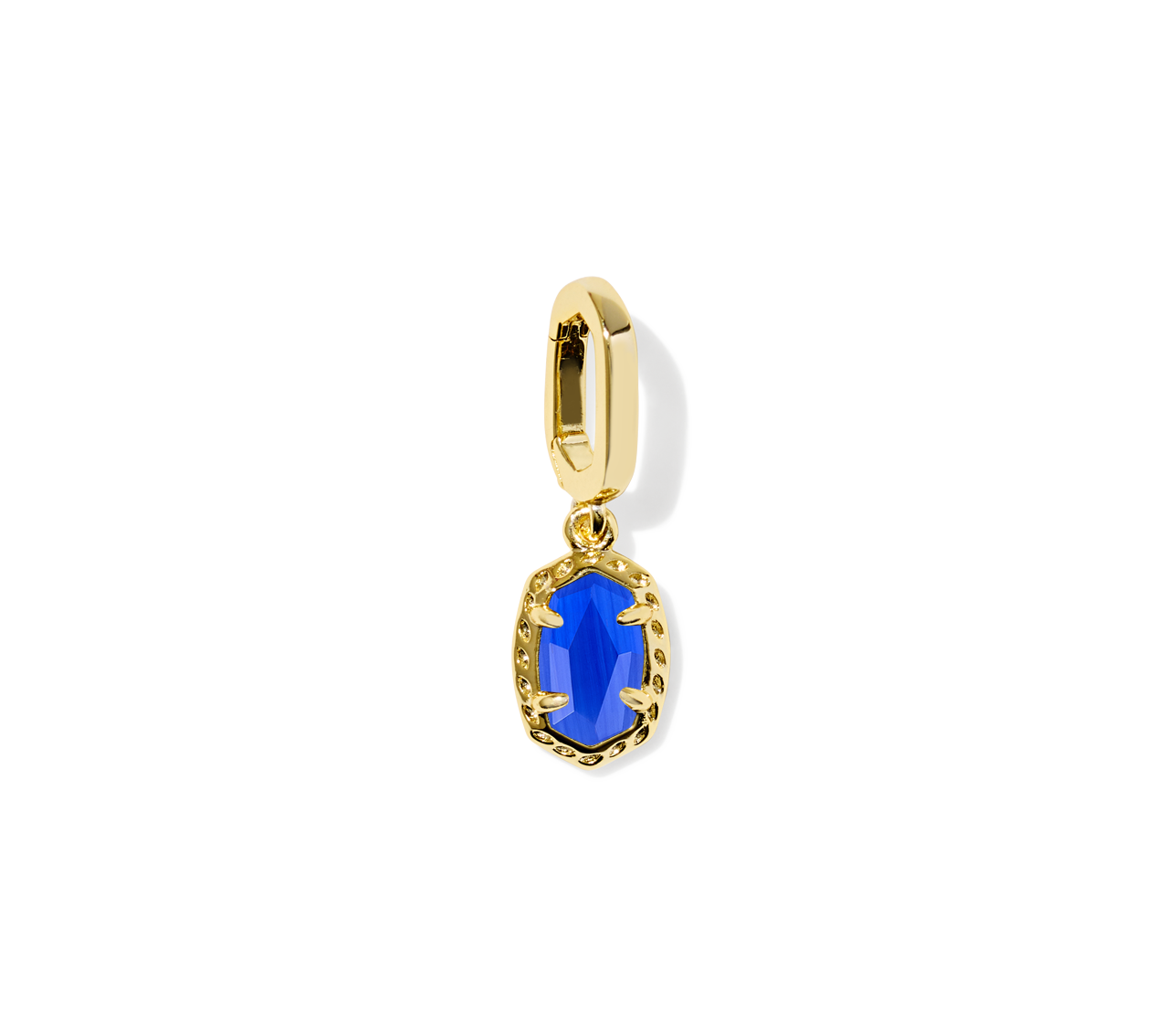
Prismatic Jewelry Charms For Bracelets bring a playful pop of color and radiant style to any jewelry collection. Perfect for expressing your unique personality, these charms are designed to catch the light and add a touch of brilliance to your favorite bracelet. Whether you’re seeking something bold for summer adventures or a subtle accent for everyday wear, prismatic jewelry charms offer endless possibilities to mix, match, and layer. Discover the perfect charm to reflect your mood, celebrate special moments, or simply brighten up your look with vibrant flair.
Sort by:
0 Item(s)
Filter & Sort
Filter & Sort
0 item(s)
Sort by
This product is not available
Check out the following recommendations.
Prismatic Jewelry Charms For Bracelets
Prismatic jewelry charms for bracelets bring a play of color, dimension, and light to a piece that feels personal. The prismatic look takes its inspiration from the way a prism separates light into different hues, translating that visual energy into small accents with a colorful, multidimensional appearance. Depending on the design, that impression may come from angular shapes, contrasting colors, or surfaces that catch light as the wrist moves. The appeal is both expressive and versatile: a single accent can give a simple bracelet a focal point, while a carefully balanced grouping can create a more layered story. These charms suit anyone drawn to color but not necessarily to oversized jewelry. A small detail at the wrist can echo a favorite shade, complement a patterned blouse, or add contrast to an otherwise understated outfit. Color also offers a starting point for personalization. A palette of related hues feels cohesive, while contrasting shades create a more playful arrangement. Clear-looking accents can provide visual breathing room between stronger colors without making the bracelet feel crowded. Shape matters just as much as the palette. Crisp outlines give a composition structure, and rounded silhouettes soften the overall effect. A charm that hangs below the bracelet introduces movement; a design that sits close to the bracelet creates a more compact profile. Exploring Prismatic Charms can help bring these visual preferences into focus, whether the desired effect is a subtle point of color or a bracelet with a lively mix of details. The most wearable arrangement does not have to include every favorite shade at once. Repeating one color, varying the scale, or leaving space around a central accent can make a collection of charms feel considered rather than busy. That flexibility is part of the appeal: the same category can speak to a minimalist dresser, a color enthusiast, or someone building a bracelet around meaningful moments.
For bracelet charms, appearance and fit work together. Compatibility depends on the bracelet’s construction and the charm’s attachment method, not simply on whether the two look good together. A charm designed to slide onto a bracelet requires an opening that accommodates the bracelet and any end components it must pass over. A hanging charm needs an attachment that works with the intended link or connector. Neither style should be assumed to fit every bracelet, and matching colors do not establish a secure connection. The stated dimensions, opening measurements, attachment details, and bracelet compatibility information are more useful than a general description such as “small” or “universal.” Scale also changes how a finished bracelet feels. Several compact accents may sit comfortably together, while a larger focal charm often benefits from extra space on either side. Adding charms can reduce the room inside a bracelet or shift its weight toward one part of the wrist, so the fit of the completed arrangement matters more than the fit of the bare bracelet alone. For someone who spends much of the day typing, a lower-profile arrangement may feel less intrusive against a desk. For a dinner or celebration, a little more movement may be welcome. Prismatic describes a visual effect, not a material specification, so the look alone does not identify what a charm is made from. Product descriptions should establish the material, finish, decorative components, and any special care requirements. A gold-tone or silver-tone appearance is a color cue rather than proof of metal content, and a transparent or reflective detail should not be identified as a particular stone from appearance alone. Anyone with metal sensitivities will want to review the stated composition of both the charm and its attachment. Durability likewise depends on the actual construction and how the bracelet is worn; a colorful appearance by itself does not indicate resistance to scratches, water, or impact.
The personal nature of bracelet charms makes them a thoughtful choice for birthdays, graduations, anniversaries, and other milestones that deserve a small, lasting reminder. A favorite color can carry meaning without relying on a literal symbol, and a combination of shades might recall a shared outing, a much-loved painting, or the colors someone wears most often. For a recipient who already wears a charm bracelet, confirming the attachment style is just as important as choosing an appealing design. Paying attention to their everyday jewelry also helps: someone who favors delicate pieces may appreciate a restrained accent, while someone who enjoys expressive accessories may prefer stronger color contrast or a more noticeable silhouette. Intended use can shape the arrangement over time. A bracelet worn to work might feature a few spaced accents that move freely without clustering, while one reserved for celebrations might have a fuller composition. Layering works best when each piece has room to sit comfortably and decorative surfaces are not constantly rubbing together. Care helps preserve both the appearance and the function of the bracelet, particularly around the small connections that hold charms in place. Follow the care directions supplied for the stated materials rather than treating every reflective surface the same way. Unless the product guidance specifically allows it, avoid soaking charms or using chemical cleaners, abrasive cloths, or ultrasonic equipment. Taking the bracelet off before swimming, bathing, cleaning, or activities that could catch or strike it helps limit avoidable exposure and stress. When appropriate for the material, a gentle wipe with a soft, dry cloth can remove surface residue after wear. Separate storage helps reduce rubbing against other jewelry and keeps hanging elements from becoming tangled. An occasional check of clasps and charm attachments can also reveal a loose connection before the bracelet is worn again. With a comfortable fit, compatible attachments, and care suited to the materials, prismatic bracelet charms offer an expressive way to bring color into everyday dressing. Their appeal rests in the details: a pleasing balance of shapes, a flash of reflected light, and a combination that feels unmistakably personal.