- Home /
- Family Heirloom Bracelets
Family Heirloom Bracelets
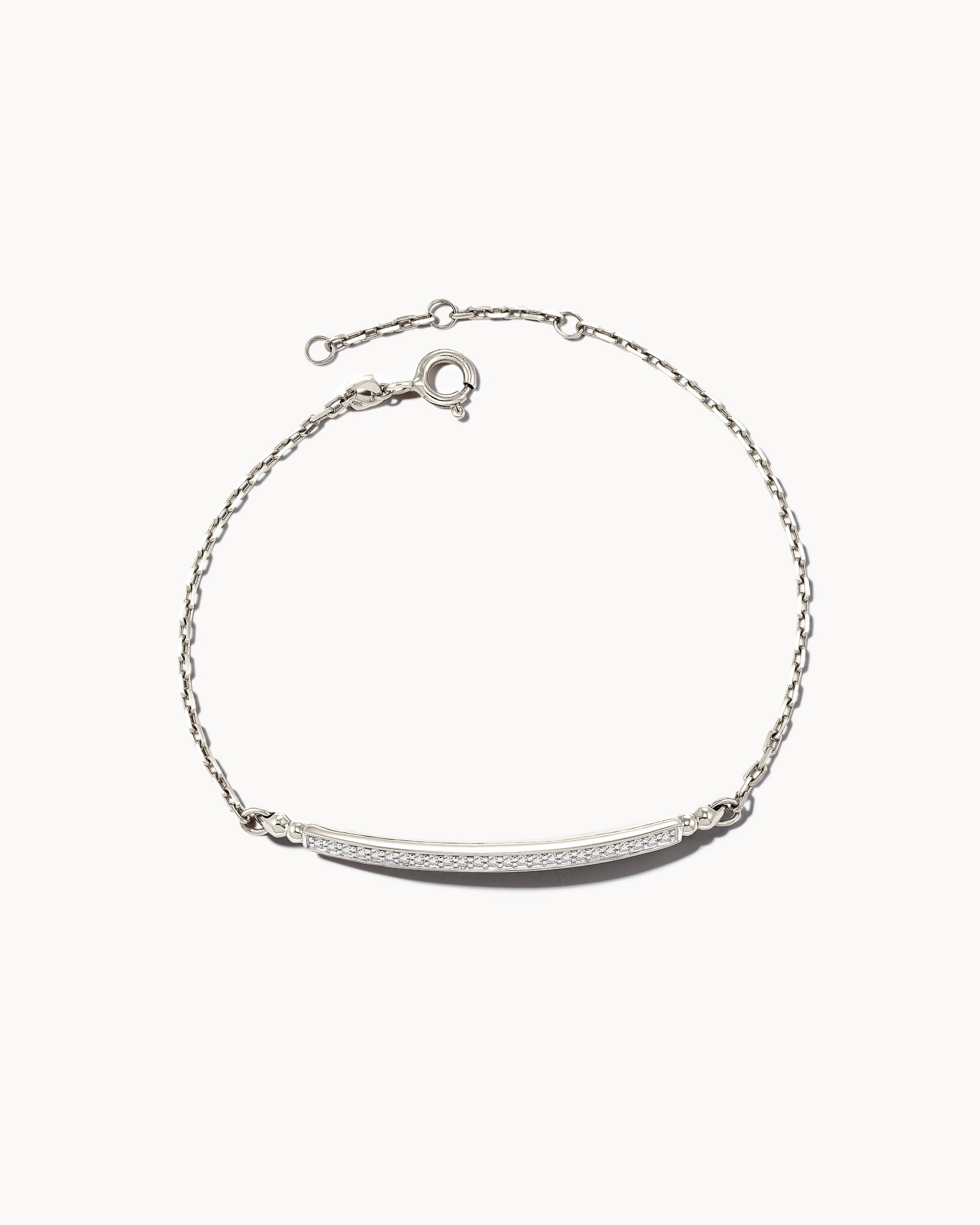
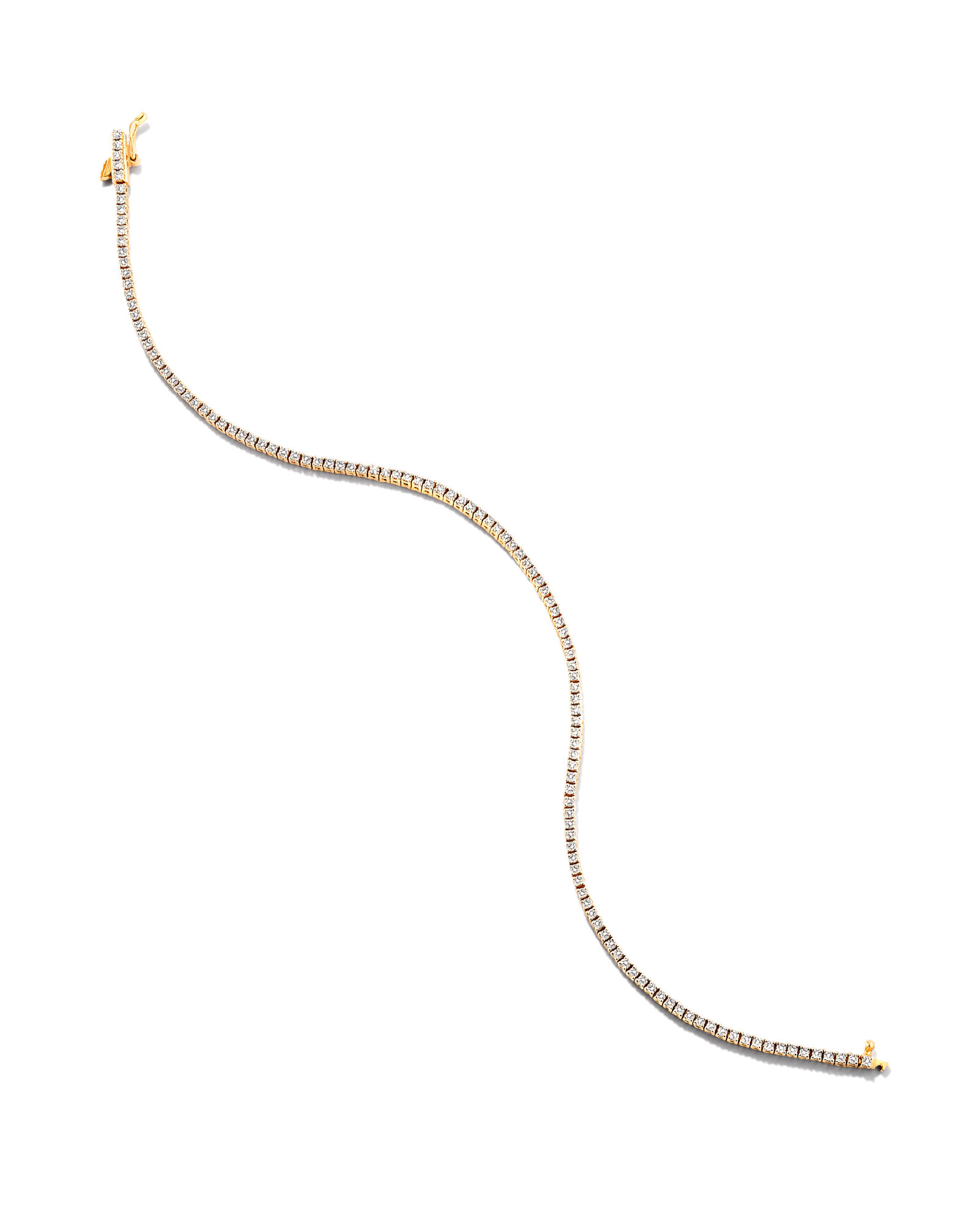
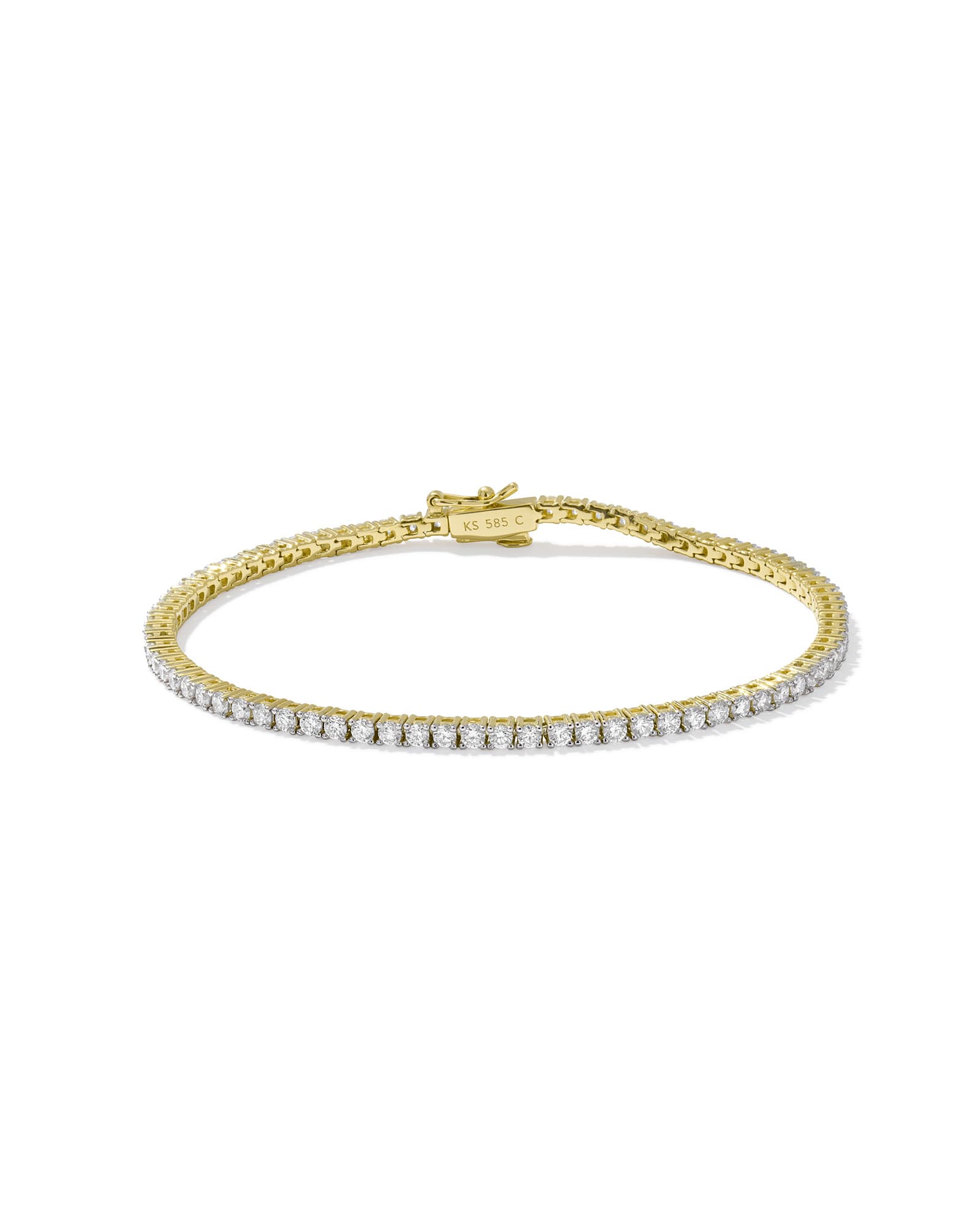
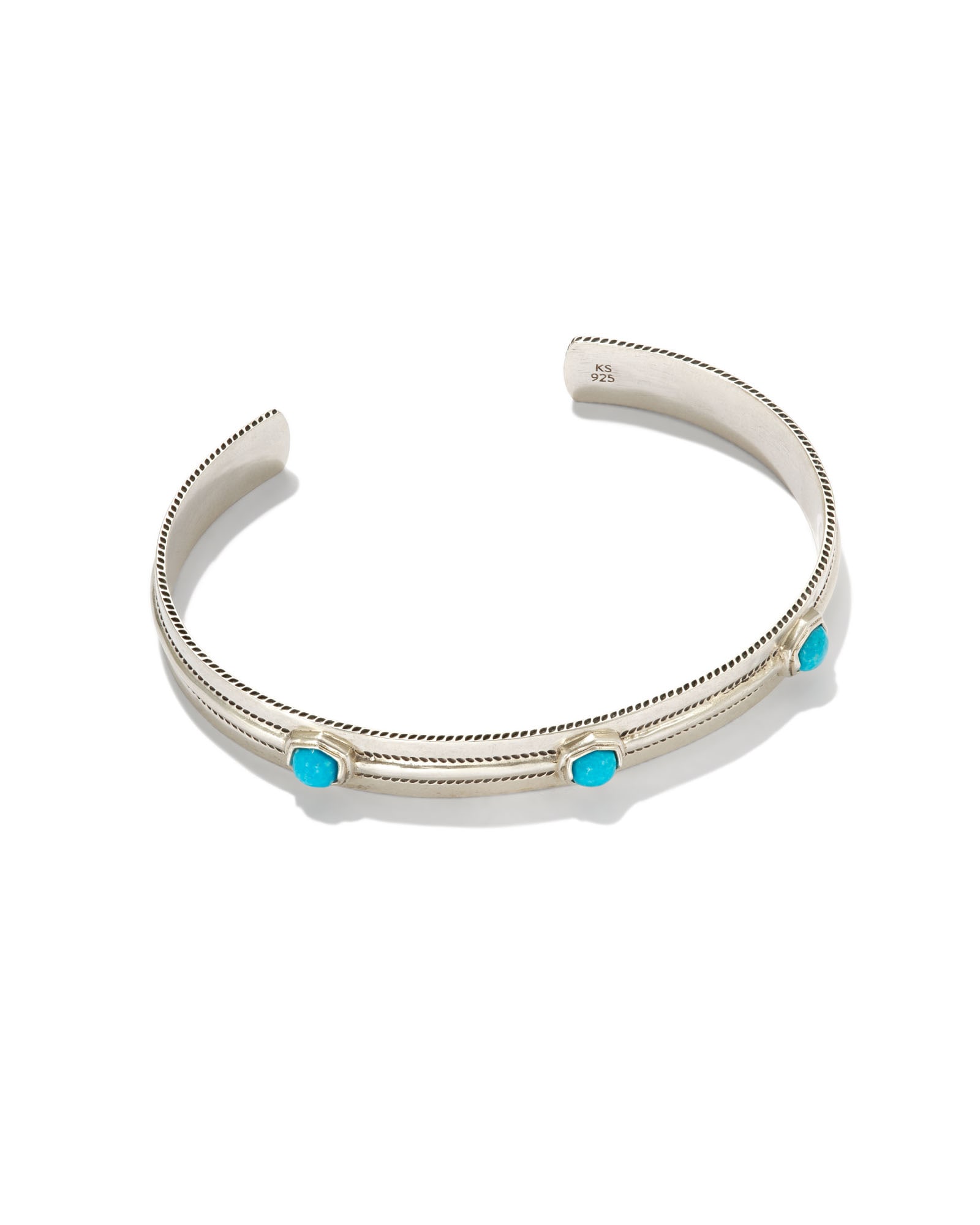
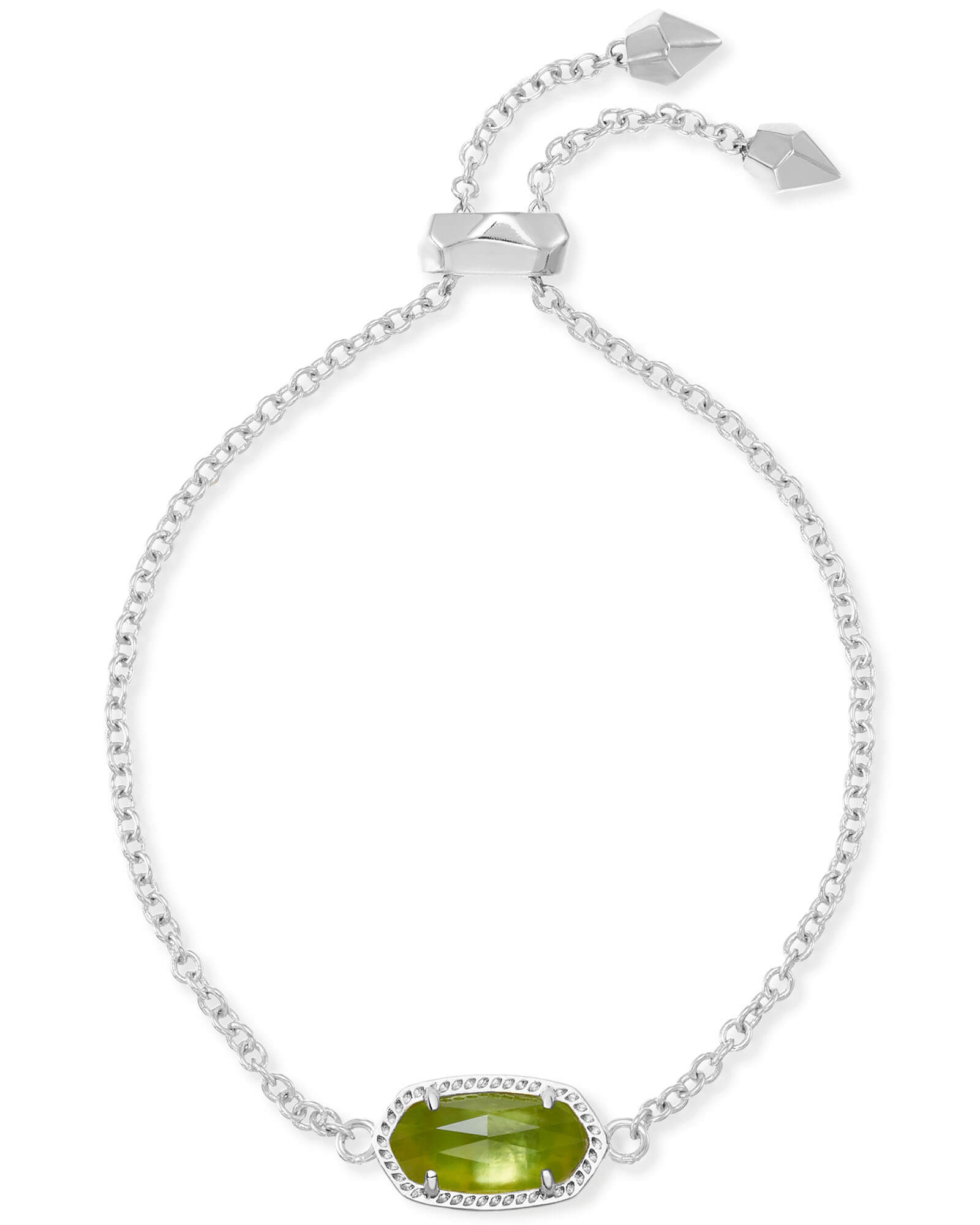
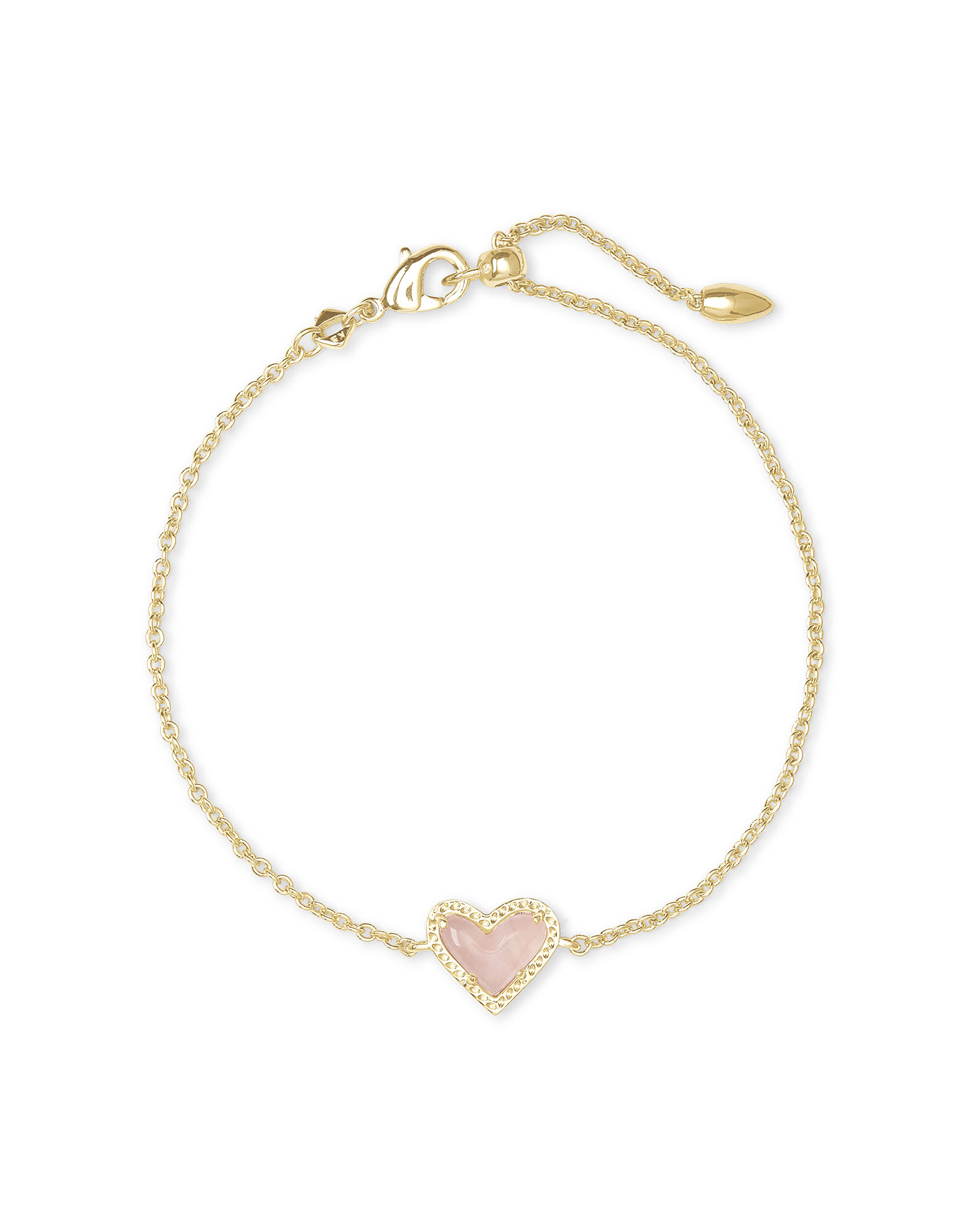
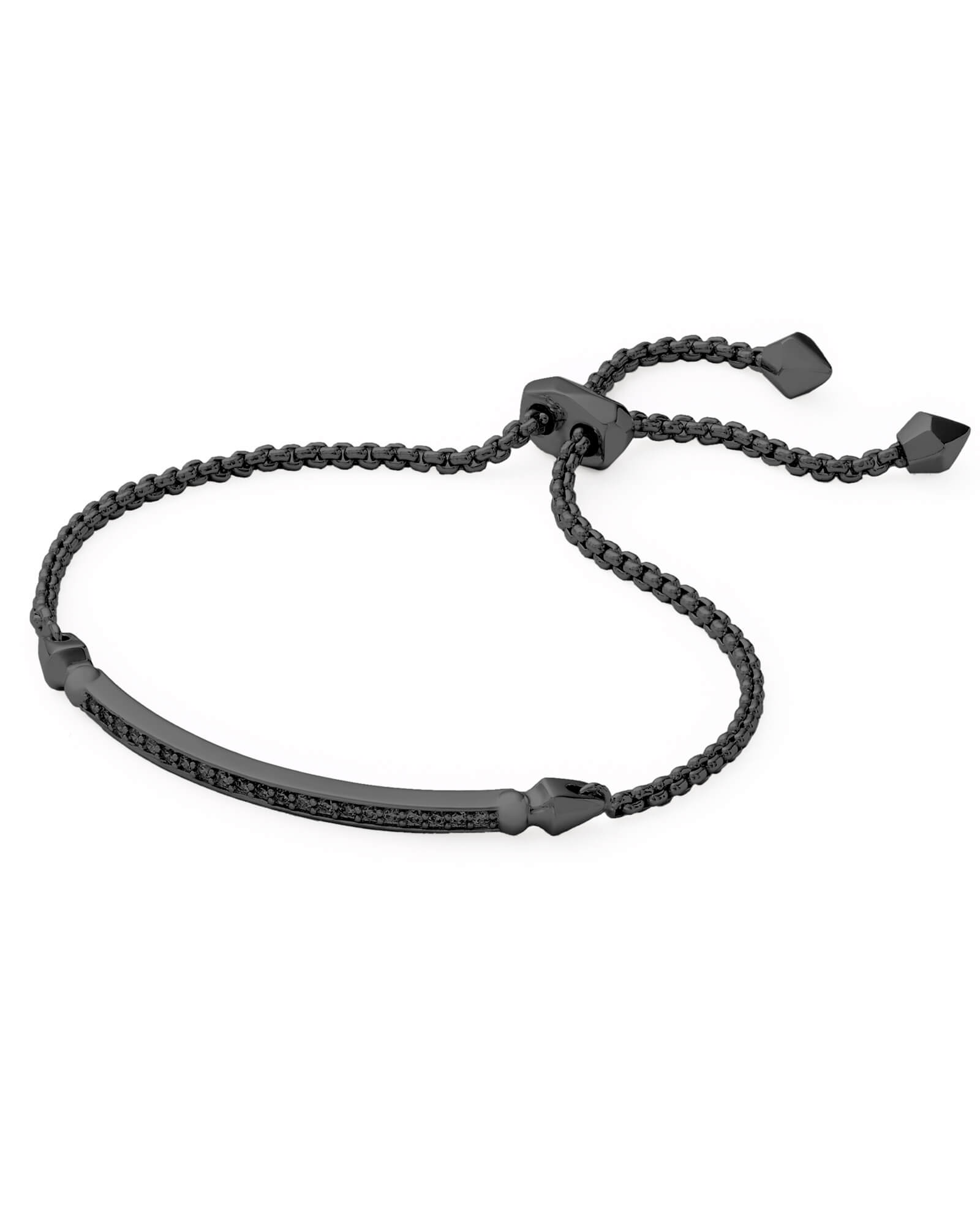
Discover the timeless elegance and sentimental value of family heirloom bracelets, where tradition meets modern craftsmanship. These exquisite pieces are more than just accessories; they are cherished symbols of love and legacy, passed down through generations. Each bracelet is thoughtfully designed to capture the essence of family bonds, making them perfect for creating new memories or honoring cherished ones. Whether you're looking to celebrate a special occasion or simply want to carry a piece of your family's history with you, our collection offers a stunning array of styles that blend classic charm with contemporary flair.
Sort by:
0 Item(s)
Filter & Sort
Filter & Sort
0 item(s)
Sort by
This product is not available
Check out the following recommendations.
Family Heirloom Bracelets
Family keepsake bracelets bring personal meaning to an everyday accessory, connecting a wearable design with the people and moments that matter most. A bracelet given to celebrate a graduation, mark an anniversary, or welcome someone into a family can become a reminder of that occasion each time it is fastened. Its significance comes from the relationship behind the gift and the memories gathered while wearing it, rather than from any single shape or decorative detail. For some families, that connection is a shared preference for delicate jewelry; for others, it is a familiar color, a repeating circle, or a linked silhouette that suggests togetherness. A simple bracelet can recall a mother’s favorite accessory without copying her style exactly, allowing the next wearer to make the sentiment their own. These meaningful bracelets suit parents, grandparents, adult children, siblings, and chosen family, with the most thoughtful choice reflecting the recipient’s taste as much as the giver’s intentions. Someone who wears the same watch every day may appreciate a slender companion bracelet, while someone who enjoys expressive accessories may prefer a more noticeable shape worn on its own. Smooth curves, balanced proportions, and thoughtfully arranged details can give a design a distinctive presence without making it difficult to style. The result feels personal rather than ceremonial: jewelry that belongs at a family dinner, in a graduation photograph, or beside a handwritten letter tucked into a gift box. A short note explaining the choice can make even an understated bracelet feel deeply connected to a particular person. That note might describe a shared memory, identify the occasion, or explain why a certain color felt right. Keeping that story with the bracelet gives future recipients context that appearance alone cannot convey. A family connection does not require matching jewelry, either. Related silhouettes or similar proportions can create a quiet connection while leaving room for each person’s individual style.
The appeal of a family bracelet also rests in how comfortably it becomes part of the wearer’s routine. Fit affects both its appearance and the experience of wearing it, especially for someone who types throughout the day, wears long sleeves, or prefers jewelry that stays close to the wrist. A closer fit may limit movement, while a looser fit allows more drape; either should leave enough room for comfortable motion without feeling restrictive or slipping over the hand unintentionally. Stated measurements matter more than a photograph alone, and comparing them with a bracelet the recipient already enjoys can help put scale into perspective. For a closed bangle, the opening must accommodate the hand as well as feel comfortable at the wrist. For a design with a clasp, ease of fastening can be just as important as its decorative details. Adjustable features, when specified, may offer flexibility, but the listed size range still deserves attention. Visual weight matters, too: a wide silhouette can make a strong statement, while a narrow profile may sit more easily beside other accessories. Those drawn to the rhythm of connected links can explore silver chain bracelets as a related direction, comparing proportions and fastening details with the recipient’s preferences. Material and construction information should be considered separately from color, since a silver-colored or gold-colored appearance does not by itself identify composition. The individual description is the place to confirm the stated metal, finish, decorative elements, and care requirements. Anyone with known sensitivities will also want to review disclosed components rather than choose by appearance alone. Durability depends on construction, wear habits, and appropriate care, not simply on a substantial-looking shape. A bracelet intended for frequent wear benefits from a fit and profile that suit the wearer’s activities, while an occasion-focused choice may place greater emphasis on visual detail. Neither approach makes the gift more meaningful; the strongest connection comes from choosing something the recipient will feel comfortable making their own.
Caring for a sentimental bracelet helps preserve its appearance while respecting the particular materials and construction stated for that piece. Cleaning methods are not interchangeable, so the supplied care directions should take priority over general jewelry-cleaning advice. A treatment suitable for one material or finish may be unsuitable for another, especially when a design combines several components. Separate storage in a soft pouch or a divided jewelry box can help reduce contact with neighboring accessories and keep chains from becoming tangled. Giving a bracelet its own place also makes it easier to find before a meaningful occasion and less likely to be left beside a sink or loose in a bag. Removing jewelry before activities that involve impact, snagging, or exposure to cleaning products is a practical way to reduce unnecessary wear; any specific restrictions around water or exercise should follow the piece’s care information. Clasps, links, and decorative attachments deserve occasional attention, particularly on bracelets worn often. If a closure no longer feels secure or a component appears damaged, setting the bracelet aside for assessment is more sensible than continuing to wear it. These small habits support enjoyment without promising that any accessory will remain unchanged indefinitely. They also become part of the story when a bracelet is later given to another family member. Saving the original material details, measurements, and care information alongside a personal note can make that transition more thoughtful. A recipient may choose to wear the bracelet differently, pairing it with a watch, making it the sole accessory for a celebration, or reserving it for gatherings with people connected to its story. That freedom is part of what makes family jewelry feel alive rather than fixed in the past. A bracelet can honor an existing bond while accompanying new experiences, from a first major accomplishment to an ordinary afternoon spent together. Its lasting personal significance grows through those associations: the giver’s care, the wearer’s individual style, and the memories that make a familiar accessory feel like much more than decoration.
The appeal of a family bracelet also rests in how comfortably it becomes part of the wearer’s routine. Fit affects both its appearance and the experience of wearing it, especially for someone who types throughout the day, wears long sleeves, or prefers jewelry that stays close to the wrist. A closer fit may limit movement, while a looser fit allows more drape; either should leave enough room for comfortable motion without feeling restrictive or slipping over the hand unintentionally. Stated measurements matter more than a photograph alone, and comparing them with a bracelet the recipient already enjoys can help put scale into perspective. For a closed bangle, the opening must accommodate the hand as well as feel comfortable at the wrist. For a design with a clasp, ease of fastening can be just as important as its decorative details. Adjustable features, when specified, may offer flexibility, but the listed size range still deserves attention. Visual weight matters, too: a wide silhouette can make a strong statement, while a narrow profile may sit more easily beside other accessories. Those drawn to the rhythm of connected links can explore silver chain bracelets as a related direction, comparing proportions and fastening details with the recipient’s preferences. Material and construction information should be considered separately from color, since a silver-colored or gold-colored appearance does not by itself identify composition. The individual description is the place to confirm the stated metal, finish, decorative elements, and care requirements. Anyone with known sensitivities will also want to review disclosed components rather than choose by appearance alone. Durability depends on construction, wear habits, and appropriate care, not simply on a substantial-looking shape. A bracelet intended for frequent wear benefits from a fit and profile that suit the wearer’s activities, while an occasion-focused choice may place greater emphasis on visual detail. Neither approach makes the gift more meaningful; the strongest connection comes from choosing something the recipient will feel comfortable making their own.
Caring for a sentimental bracelet helps preserve its appearance while respecting the particular materials and construction stated for that piece. Cleaning methods are not interchangeable, so the supplied care directions should take priority over general jewelry-cleaning advice. A treatment suitable for one material or finish may be unsuitable for another, especially when a design combines several components. Separate storage in a soft pouch or a divided jewelry box can help reduce contact with neighboring accessories and keep chains from becoming tangled. Giving a bracelet its own place also makes it easier to find before a meaningful occasion and less likely to be left beside a sink or loose in a bag. Removing jewelry before activities that involve impact, snagging, or exposure to cleaning products is a practical way to reduce unnecessary wear; any specific restrictions around water or exercise should follow the piece’s care information. Clasps, links, and decorative attachments deserve occasional attention, particularly on bracelets worn often. If a closure no longer feels secure or a component appears damaged, setting the bracelet aside for assessment is more sensible than continuing to wear it. These small habits support enjoyment without promising that any accessory will remain unchanged indefinitely. They also become part of the story when a bracelet is later given to another family member. Saving the original material details, measurements, and care information alongside a personal note can make that transition more thoughtful. A recipient may choose to wear the bracelet differently, pairing it with a watch, making it the sole accessory for a celebration, or reserving it for gatherings with people connected to its story. That freedom is part of what makes family jewelry feel alive rather than fixed in the past. A bracelet can honor an existing bond while accompanying new experiences, from a first major accomplishment to an ordinary afternoon spent together. Its lasting personal significance grows through those associations: the giver’s care, the wearer’s individual style, and the memories that make a familiar accessory feel like much more than decoration.