- Home /
- Design A Necklace
Design A Necklace
Design a Necklace is your invitation to express your unique style and creativity. Whether you’re drawn to timeless elegance or love experimenting with bold, bright accents, crafting your own necklace lets you curate every detail to match your personality. Choose from a stunning selection of materials, colors, and charms to create a piece that’s as individual as you are. Perfect for gifting or treating yourself, the possibilities are endless when you design a necklace that tells your story.
Sort by:
0 Item(s)
Filter & Sort
Filter & Sort
0 item(s)
Sort by
This product is not available
Check out the following recommendations.
Design a Necklace
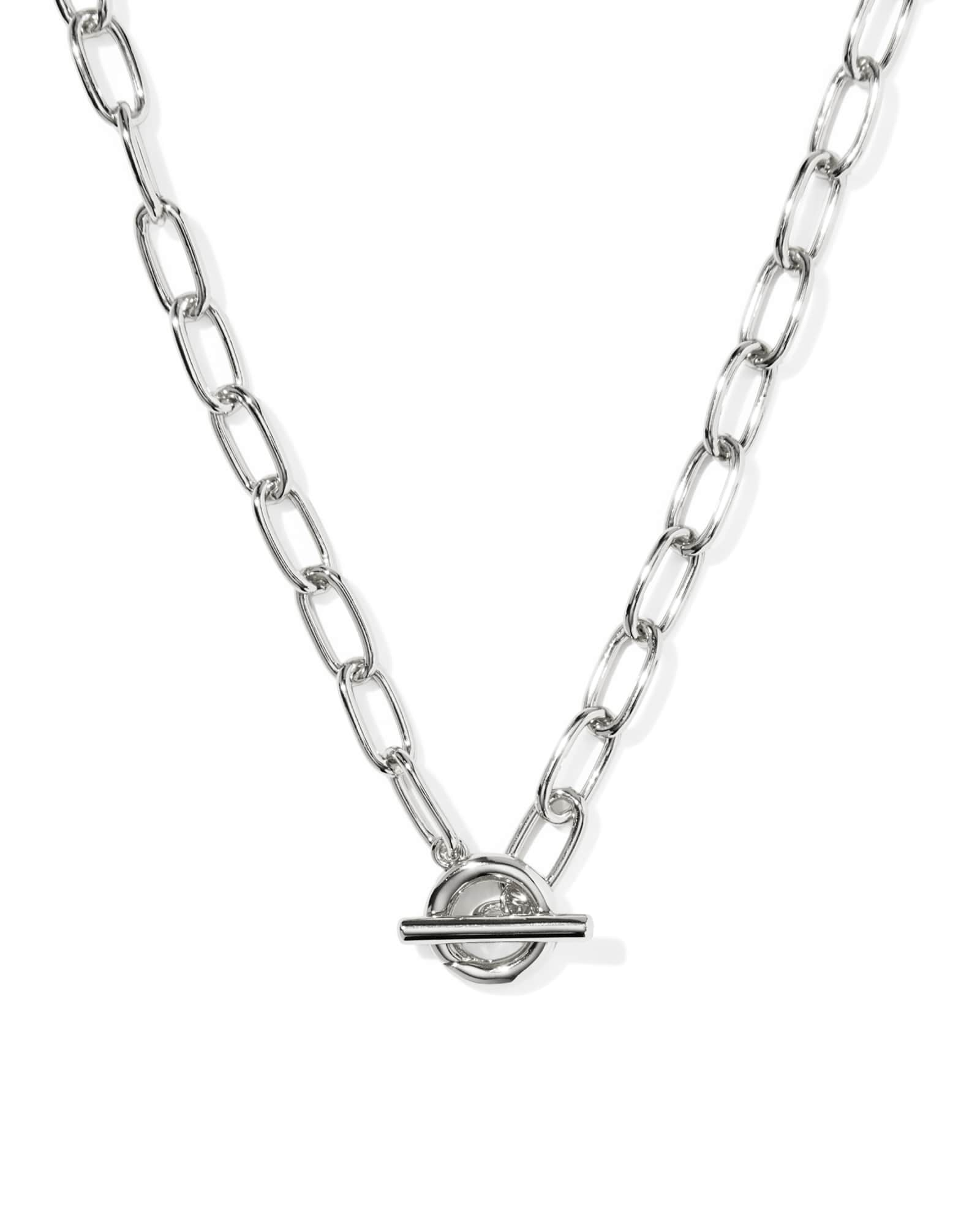
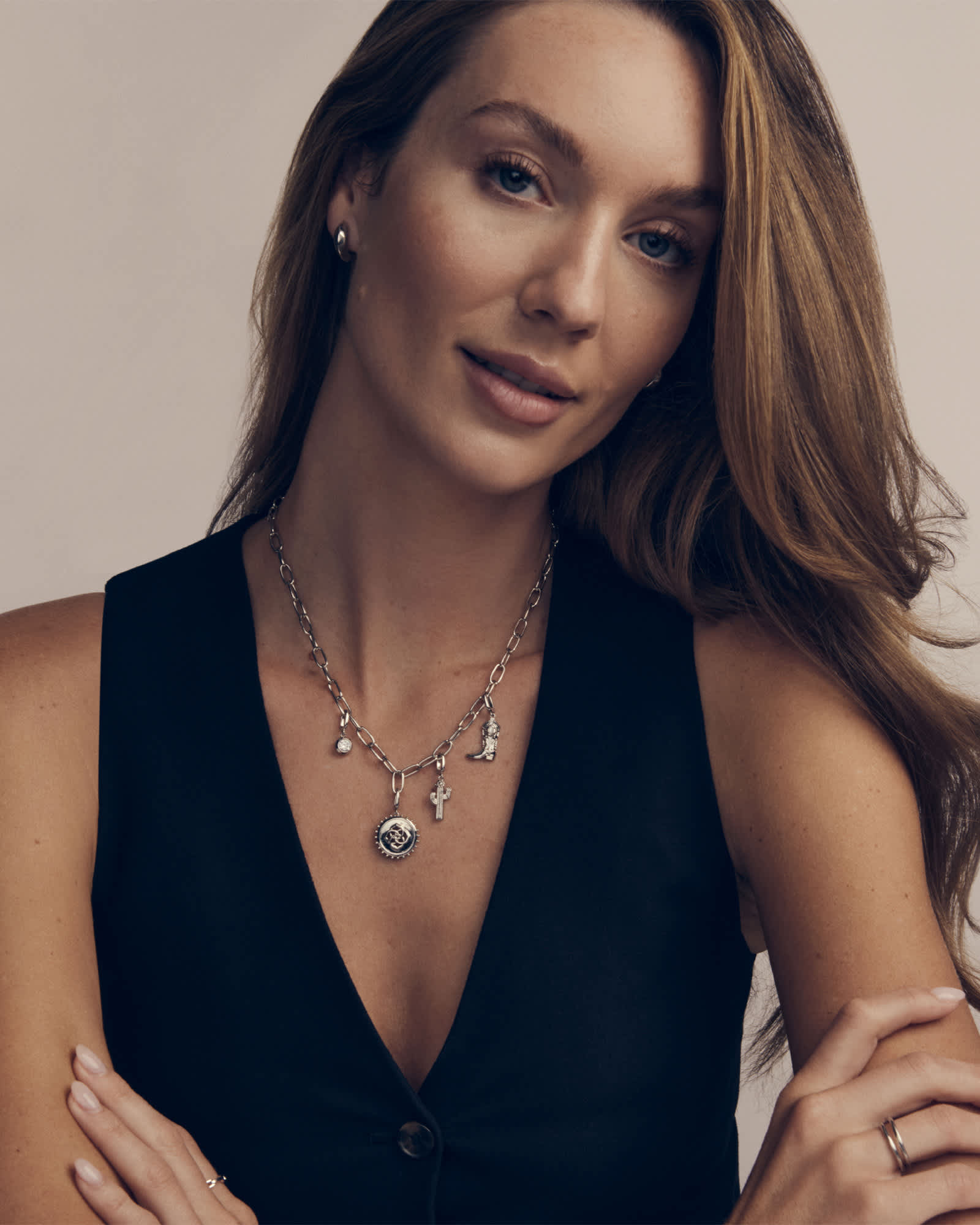
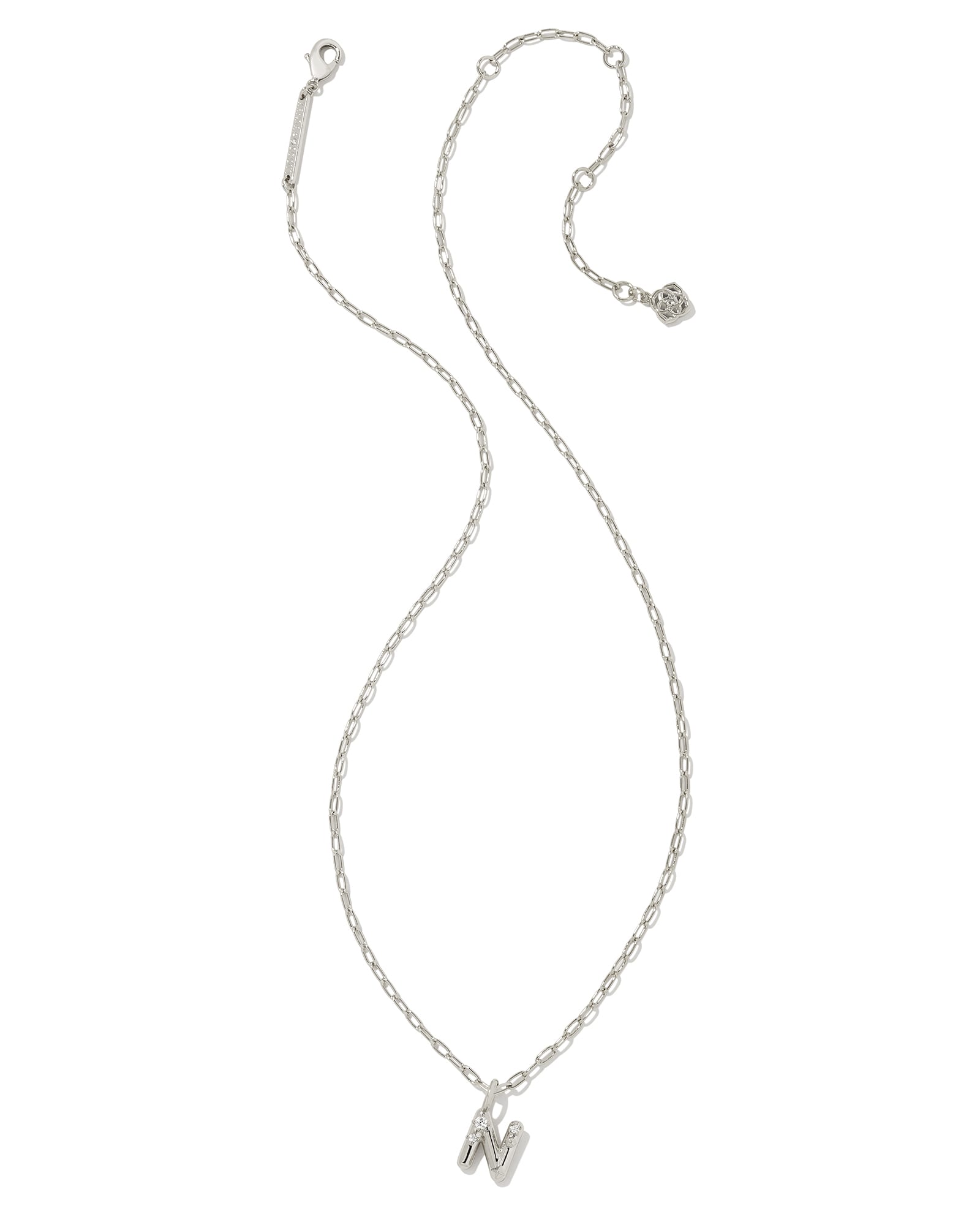
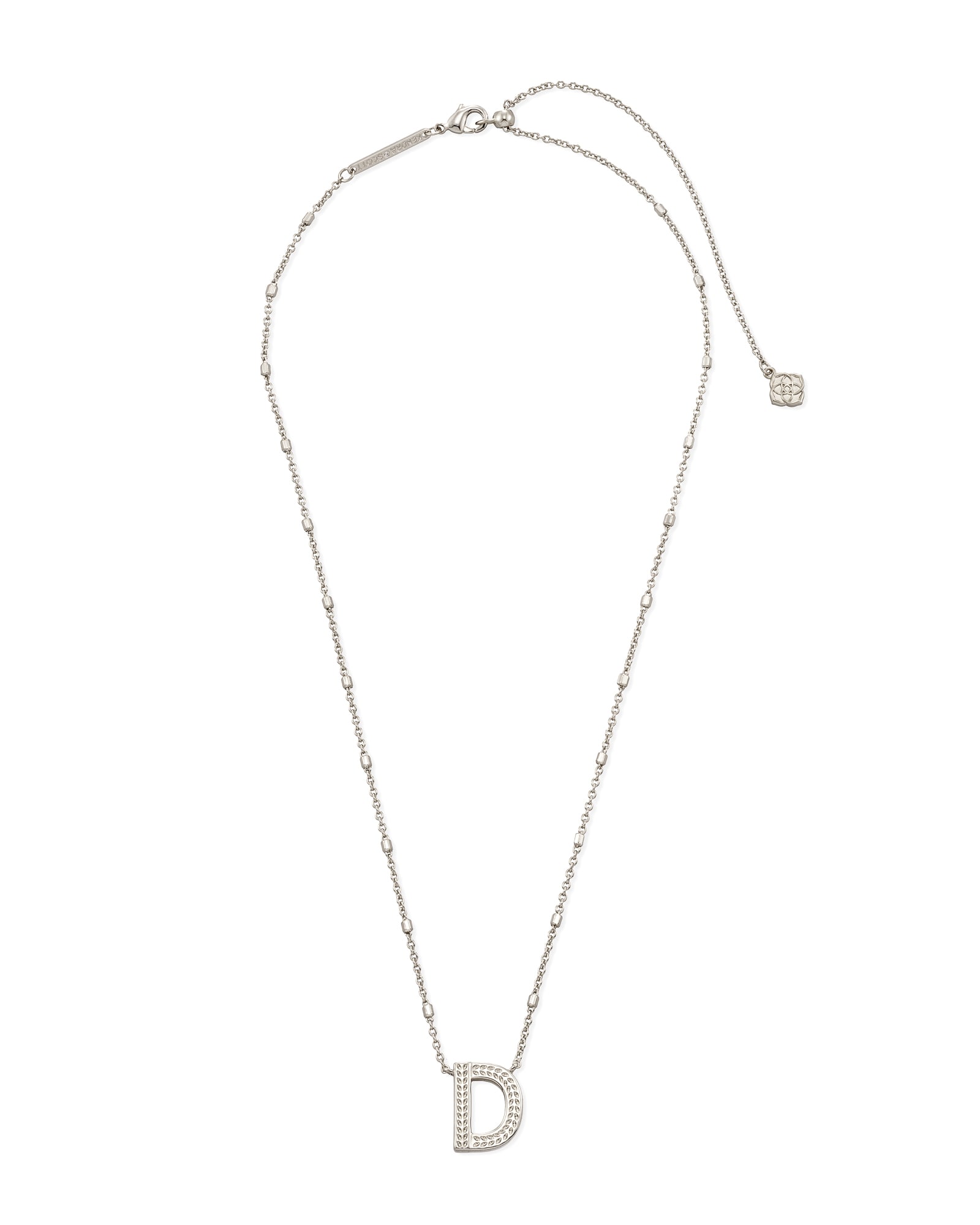
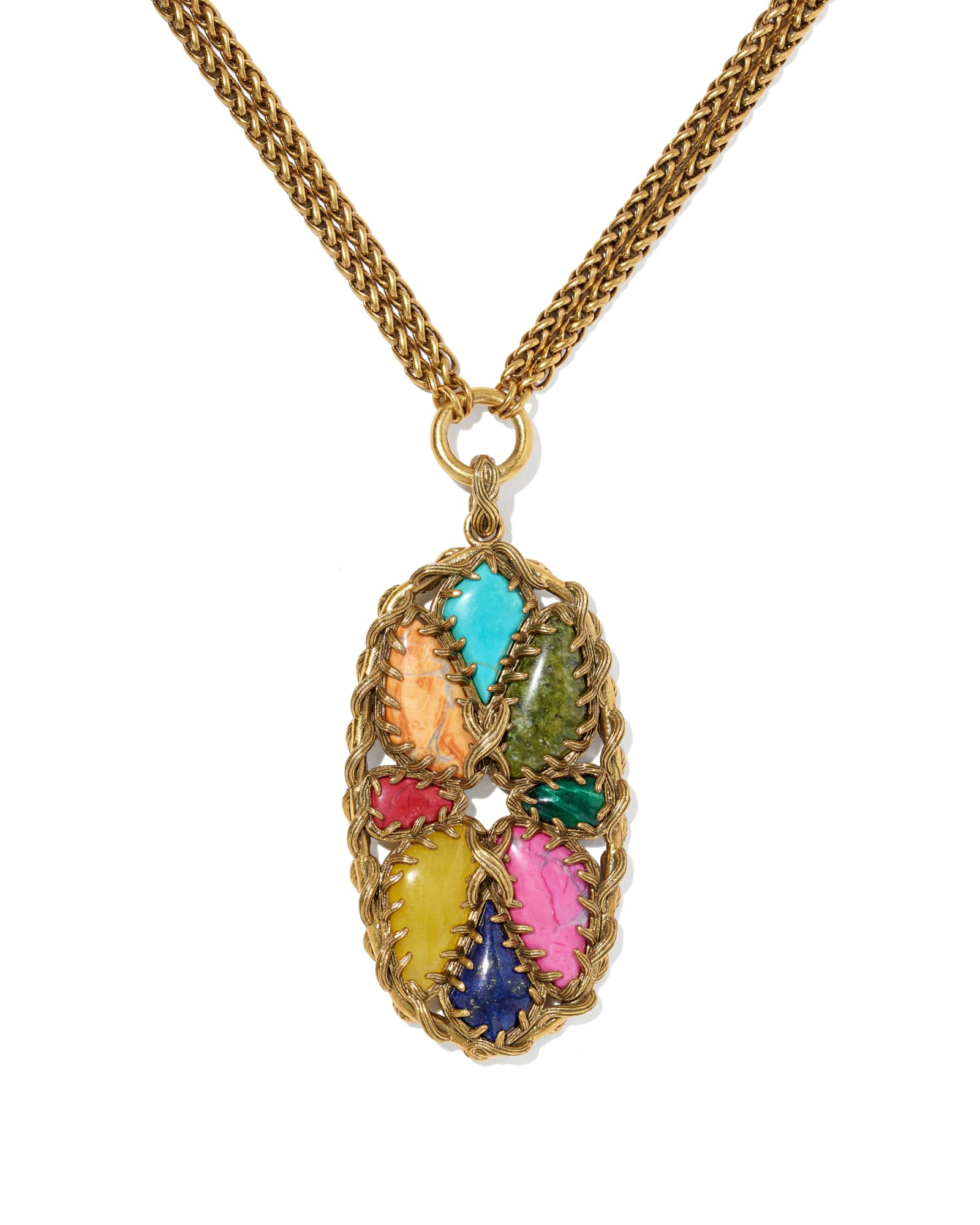
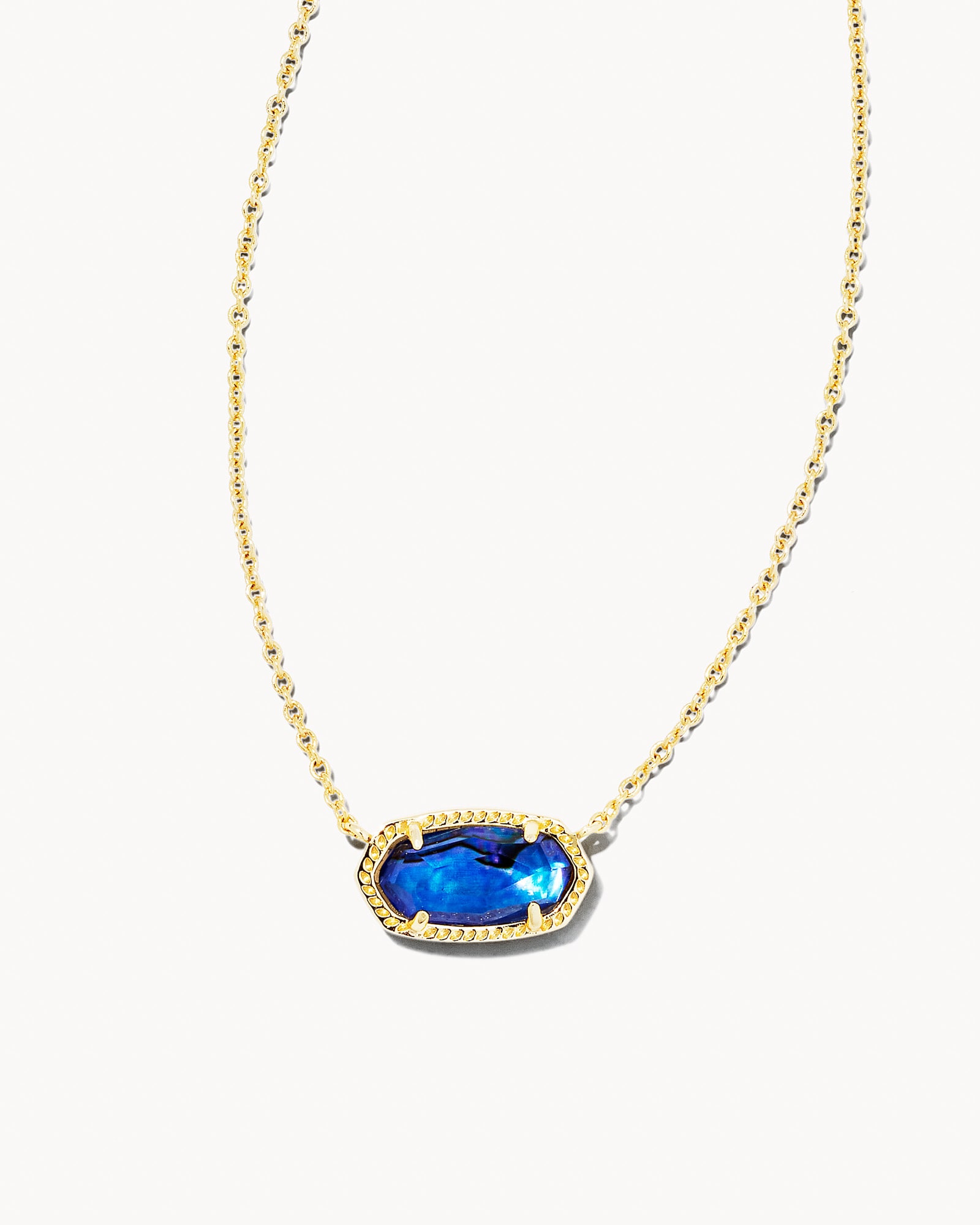
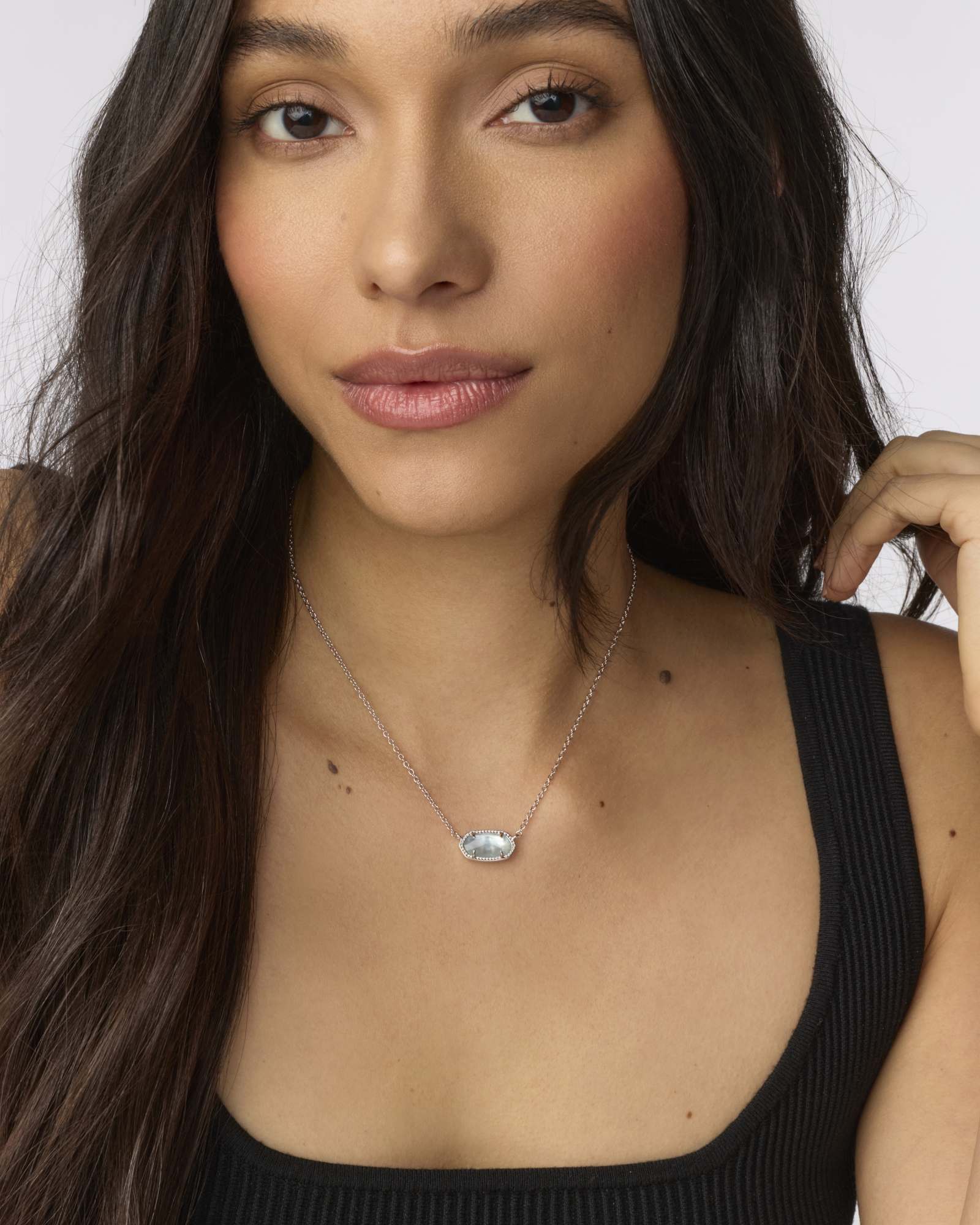
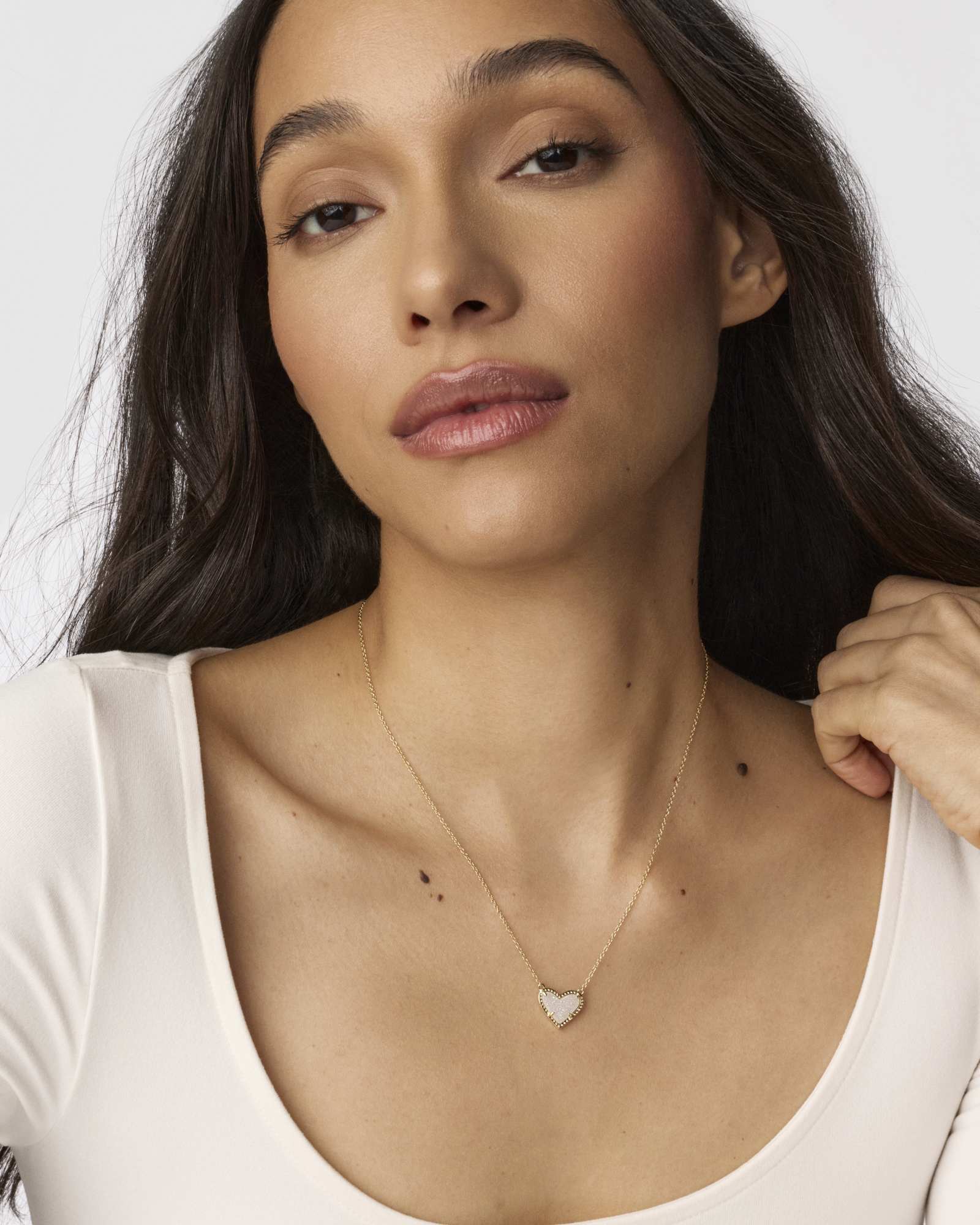
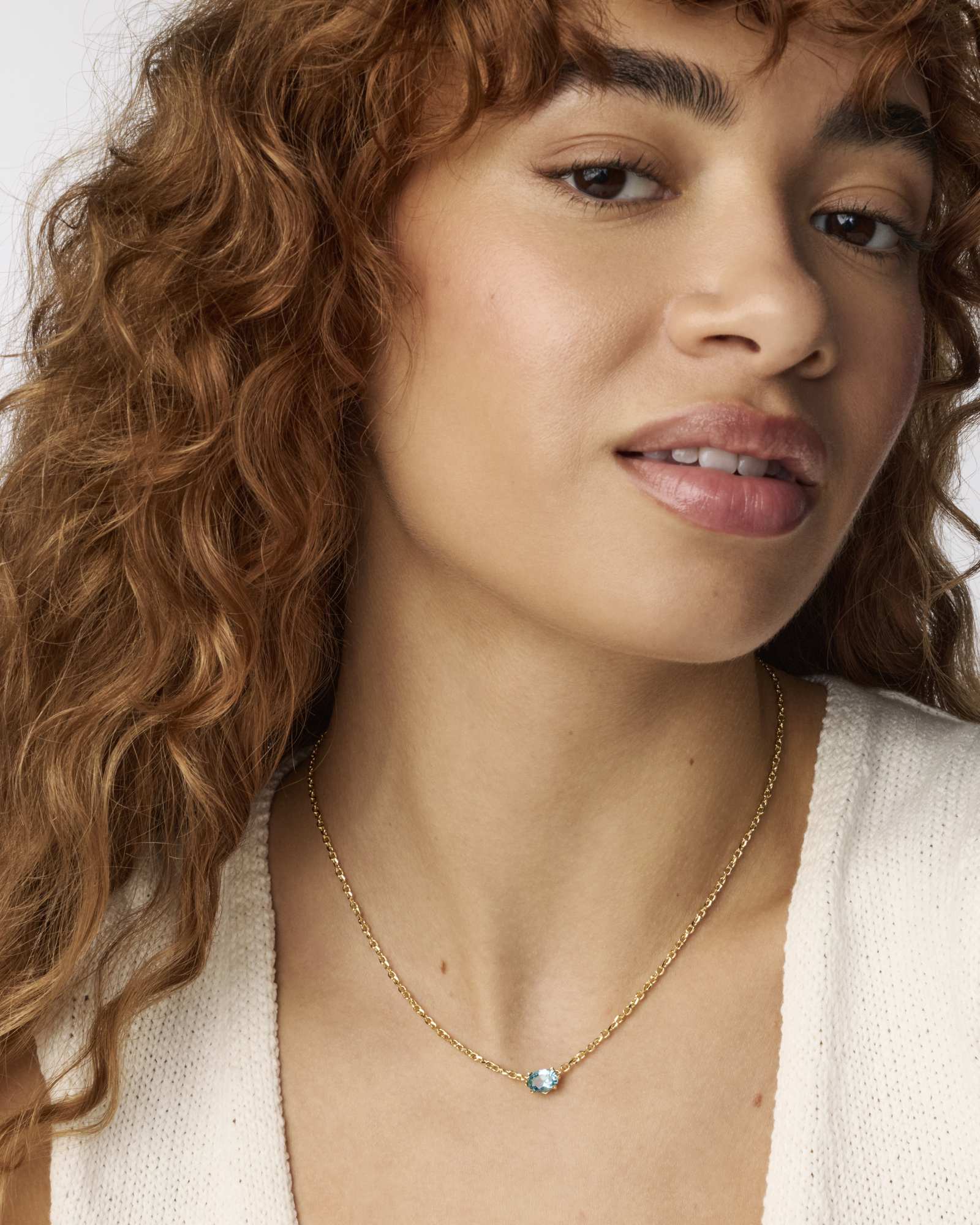
A necklace design comes to life through its length, silhouette, color, and the detail that draws the eye. For anyone looking to design a necklace, those elements create a starting point for a piece that feels personal and easy to wear. A small focal point can bring a quiet finishing touch to an everyday outfit, while a larger shape gives a simple neckline more presence. Rounded outlines tend to create a softer impression; angular shapes offer a more defined look. Color adds another layer of expression, whether it echoes a favorite shade in a wardrobe or introduces contrast against a familiar neutral. Personal style does not always require a necklace made from scratch. Selecting a finished design with the right proportions and visual details can create that same sense of connection. Someone who wears crisp shirts might favor a shape that sits neatly inside an open collar, while someone drawn to flowing dresses may prefer a longer line that moves with the outfit. The relationship between the necklace and its wearer matters more than any single styling rule. A design can stand on its own, complement favorite earrings, or become the starting point for a layered arrangement. In a layered look, differences in length help each necklace remain visible, while a shared color or similar shape can connect the pieces without making them identical. For a single-necklace look, the balance between the chain and its focal detail becomes especially noticeable. A delicate line leaves more attention on the pendant, while a more substantial profile contributes to the overall silhouette. These choices make necklace design an expression of everyday preferences: understated or expressive, symmetrical or unexpected, close to the neckline or worn farther down. The most satisfying result is a necklace that belongs naturally with the clothes, routines, and meaningful details already present in the wearer’s life, rather than a piece that needs an entirely new wardrobe to feel at home.
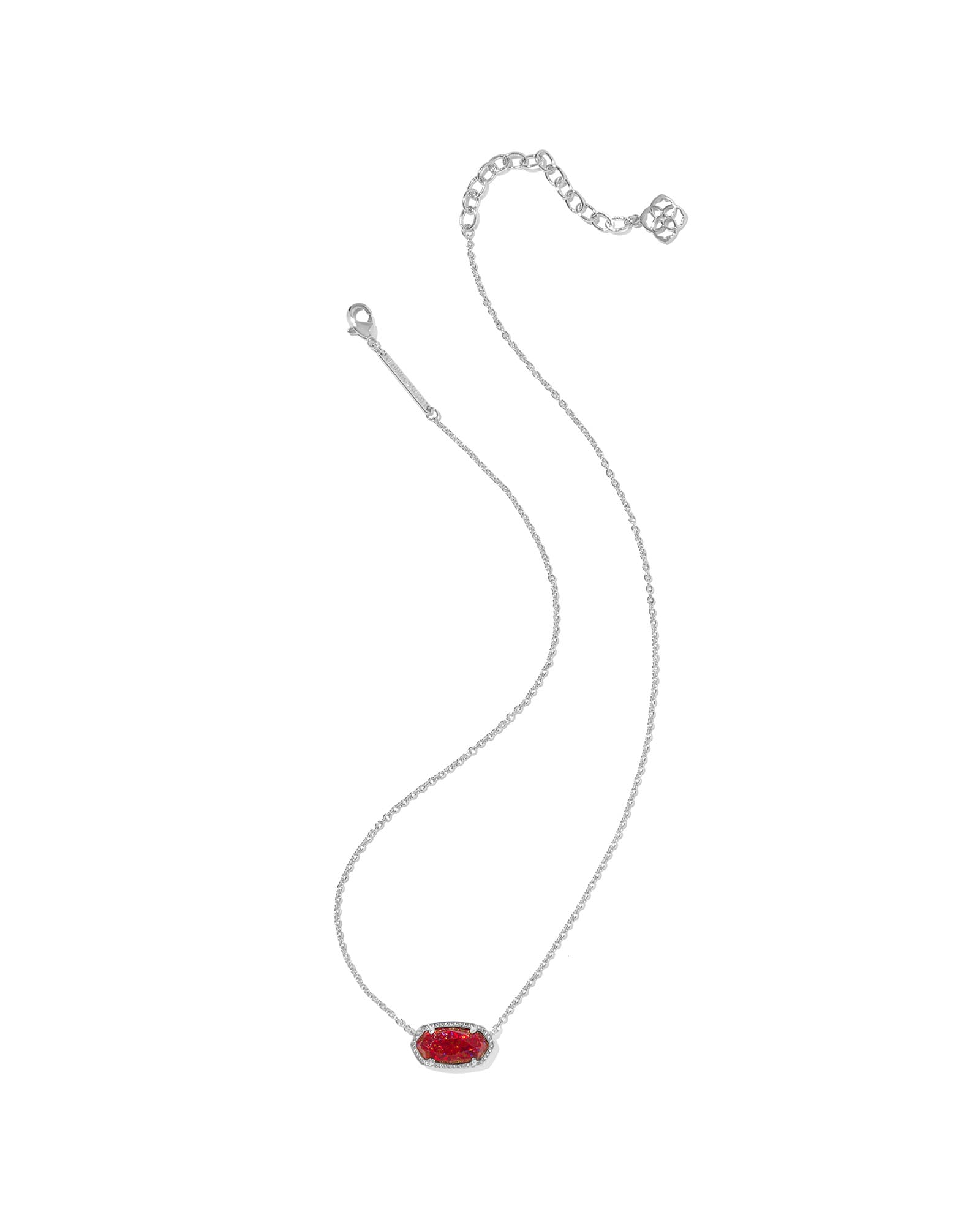
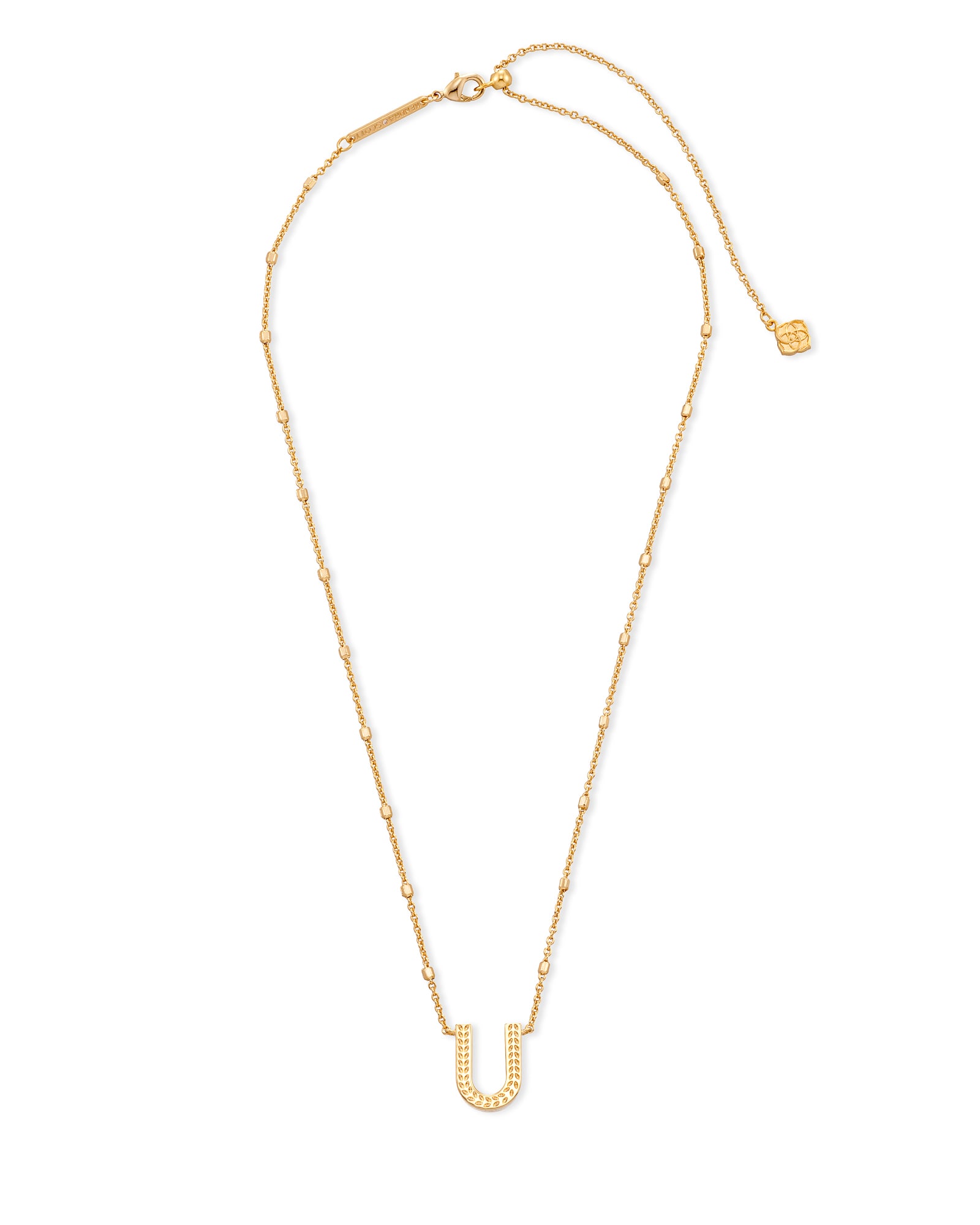
Fit and construction give that visual connection a practical foundation. Necklace length affects where a design rests, but the same listed measurement can sit differently depending on neck size, posture, and the shape of the focal detail. A necklace that falls near the collarbone on one person may sit higher or lower on another, making dimensions more useful than a photograph alone. Comparing a listed length with a necklace that already fits comfortably can provide a helpful reference. The neckline of a favorite top also changes the effect: a pendant may sit within an open neckline, rest above a crew neck, or lie over fabric as a longer accent. Where an adjustable length is noted in the product details, it can provide flexibility for different outfits; otherwise, the stated measurement remains the clearest guide. Material, finish, closure, and care information deserve the same attention as shape and color, particularly for a necklace intended for frequent wear. Finish color describes appearance, but it does not establish composition, so the product’s stated materials are important for anyone with sensitivities or particular preferences. The size of a pendant and the profile of a chain can also influence how the necklace feels throughout the day. Someone working at a desk may appreciate a design that stays comfortably clear of a keyboard or workspace, while a wearer who enjoys expressive accessories may prefer a more noticeable focal point. Durability depends on the necklace’s construction and the conditions it encounters. Repeated friction, moisture, and contact with personal-care products can affect jewelry differently, making the supplied care directions the best reference. Storing necklaces separately helps reduce tangling and contact between pieces, and keeping chains from becoming tightly knotted makes the next wear easier. Cleaning should follow the directions for the stated materials rather than a method chosen only for convenience. A necklace that suits both the wearer’s style and their willingness to care for it is better positioned to become a familiar part of everyday dressing.
A personal necklace design can also make a thoughtful gift because it reflects attention to the recipient rather than a universal idea of what jewelry should look like. The strongest clues often come from pieces someone already wears: a preference for small shapes, a consistent finish color, a favorite length, or a tendency to choose one distinctive accessory instead of several. A necklace with a similar scale can feel comfortable and familiar, while a different silhouette offers a considered way to introduce something new. For someone who enjoys layering, a length that complements existing necklaces may be more useful than a close match to what they already own. For someone who rarely wears jewelry, a simple profile may feel easier to incorporate into daily outfits. Related styles on Necklace Design Necklace offer another place to explore how shape, proportion, and visual detail can create a personal look. Birthdays, graduations, anniversaries, and other milestones give a necklace a meaningful context, but the connection can be quieter, too: a color that recalls a shared experience, a shape that suits the recipient’s style, or a design chosen to celebrate a new chapter. A necklace given to mark a graduation might be selected with both a celebratory outfit and future workdays in mind. An anniversary gift might complement the jewelry the recipient reaches for most often, making the new piece feel connected to an established collection. Choosing a necklace for oneself carries its own significance, whether it marks an accomplishment or simply makes getting dressed more enjoyable. There is room for both sentiment and practicality in that decision. A memorable design still needs a comfortable fit, a manageable care routine, and proportions that work with the intended outfits. When those considerations come together, the necklace becomes more than a finishing touch: it is a small, visible expression of individual taste that can move naturally between ordinary days and meaningful occasions.