- Home /
- Connected Band Diamond Rings
Connected Band Diamond Rings
Elevate your jewelry collection with the timeless elegance of connected band diamond rings. These stunning rings blend classic beauty with modern design, perfect for adding a touch of sophistication to any look. Whether you’re searching for a dazzling statement piece or a subtle accent, connected band diamond rings offer versatile style that shines on every occasion. Discover the artistry and brilliance that make these rings an essential addition to your accessory wardrobe.
Sort by:
0 Item(s)
Filter & Sort
Filter & Sort
0 item(s)
Sort by
This product is not available
Check out the following recommendations.
Connected Band Diamond Rings
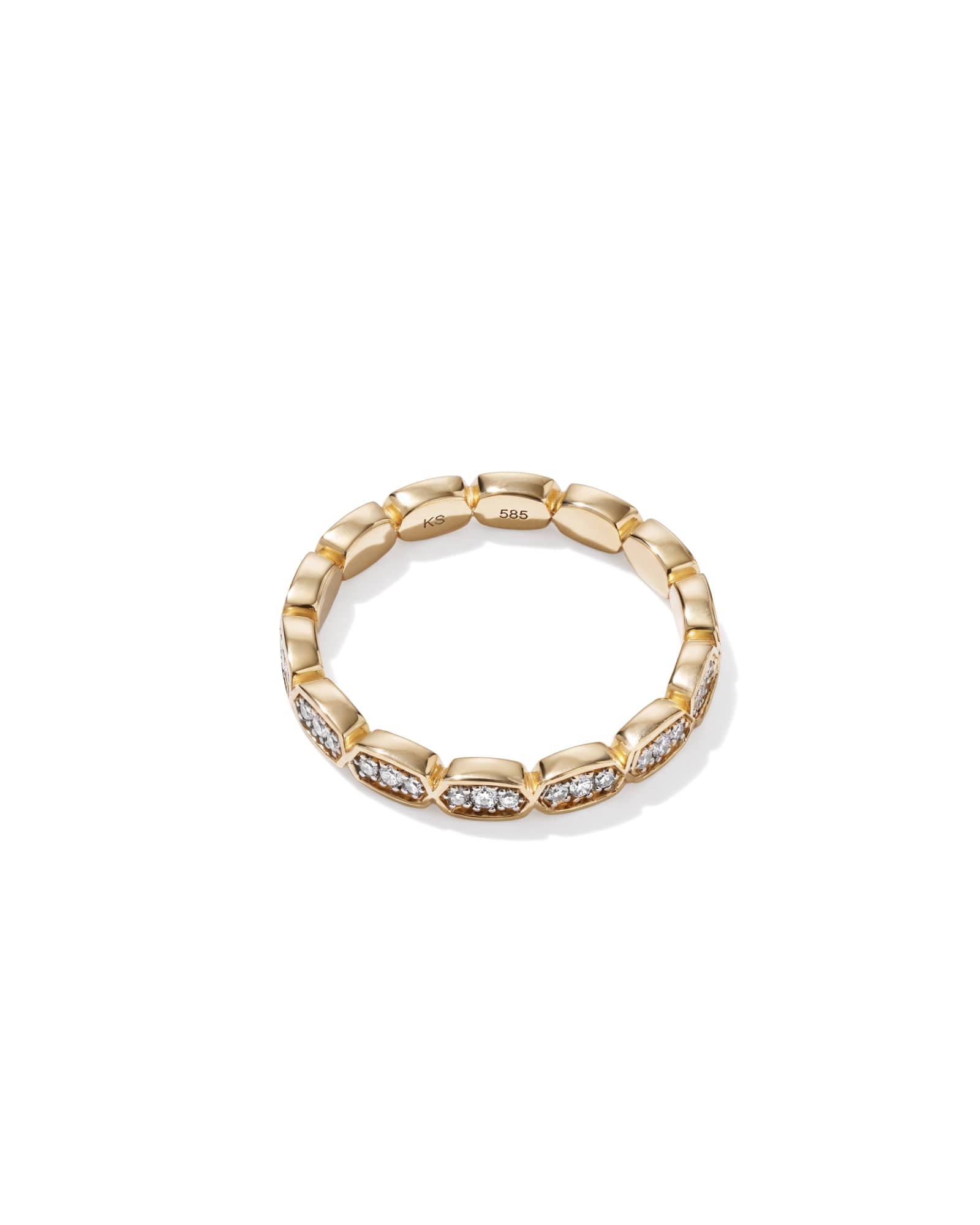
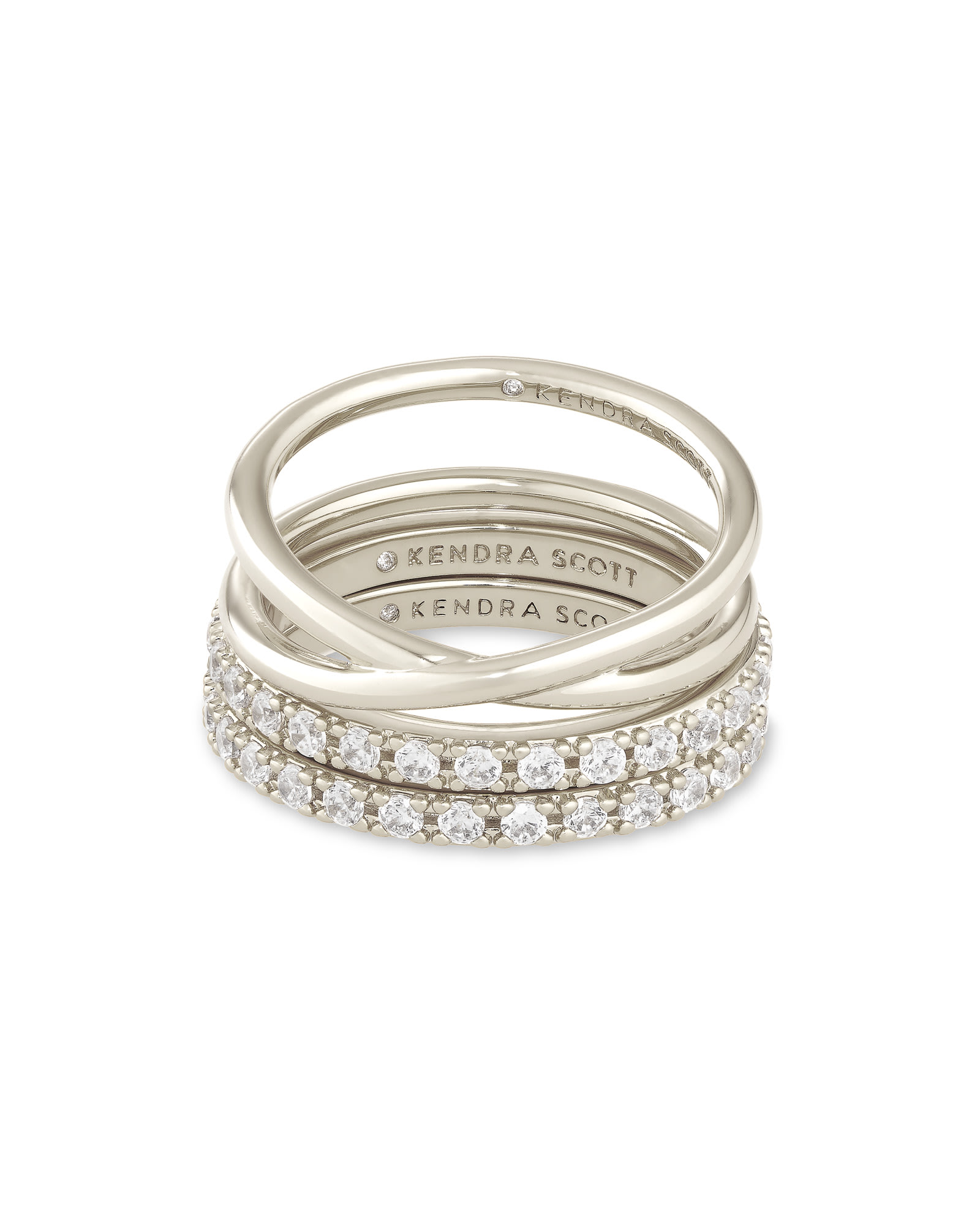
Connected band diamond rings feature two or more bands joined into a single ring design, with connections that may be fixed or allow movement. Depending on the construction, linking rings, bars, or bridge elements hold the bands together, creating a layered look without relying on several separate rings. That distinction gives the category its appeal: the visual rhythm of a ring stack becomes part of one coordinated design. Fixed connections can preserve a defined arrangement, while movable connections can let the bands shift relative to one another. Diamond details add points of light that draw attention to the relationship between the bands, whether the overall impression is understated or more expressive. When considering the look, pay attention to the space between the bands as well as the bands themselves. Open areas can make the silhouette feel airy, while closely arranged bands can create a more substantial presence across the finger. Contrasting widths, curved lines, and the position of a connector can also change how the design looks from above and from the side. A linked ring can serve as the focal point of an otherwise simple jewelry combination, bringing dimension to a tailored sleeve or adding a finishing touch to an evening outfit. For someone who enjoys a layered style but prefers choosing one coordinated piece, the connected format offers a distinctive approach. It can also appeal to someone who likes jewelry with a personal interpretation: joined bands may suggest partnership, friendship, or different parts of a life brought together. That meaning does not have to be tied to an engagement or wedding. A personal accomplishment, an anniversary, or a meaningful birthday can be an equally fitting reason to choose a ring whose design expresses connection. The strongest choice balances that emotional appeal with proportions that feel comfortable and recognizable to the person wearing it.
Fit deserves particular attention with connected diamond band rings because the total width across the finger can feel different from that of a single narrow band. A familiar ring size is a useful starting point, but it does not tell the whole story. Consider the full footprint of the design, including the distance between bands, the placement of any connecting element, and how far the ring extends toward the knuckle. A wider arrangement may feel more enclosing, even when its individual bands look delicate. The ring should pass over the knuckle with reasonable resistance and rest securely without pinching at the base of the finger. Bending the hand, holding a pen, and reaching for a bag handle are practical ways to think about everyday comfort. With a movable design, consider how the bands settle during those motions; with a fixed design, consider whether the spacing stays comfortable when the finger bends. Side views can be especially useful for understanding height and profile. A raised detail that looks subtle from above may be more noticeable against a neighboring finger or beneath a close-fitting glove. Materials and construction matter just as much as appearance, so review the stated band composition, finish, diamond information, and setting details rather than drawing conclusions from color or photographs alone. A similar surface appearance does not necessarily mean two rings have the same underlying construction or care needs. Anyone with skin sensitivities should check the complete material information before choosing. For intended daily wear, look closely at how exposed the diamond settings and connectors appear, and consider whether those details suit regular activities. Durability depends on the specific materials, setting, construction, and treatment during wear; a connected design should not be assumed to tolerate more stress simply because it includes multiple bands. If another ring will sit beside it, consider the contact between their edges and settings. Leaving the connected design on its own can give its shape room to stand out while reducing unnecessary rubbing against neighboring jewelry.
Care for connected band diamond rings begins with treating the connections and diamond settings as carefully as the visible surfaces. Remove the ring before weight training, lifting heavy objects, gardening, cleaning, or other tasks that could apply pressure, cause impact, or expose it to chemicals. Pulling on a connector or trying to reshape the bands can place stress where the design joins, so handle the ring by its main bands rather than using a small linking element as a grip. For routine upkeep, follow the care directions provided for the stated materials and finish. A soft cloth can help remove surface residue after wear, but cleaning solutions, soaking, and mechanical cleaning methods should only be used when the ring’s care instructions permit them. The spaces between bands may collect lotion or soap residue, making careful attention to those areas worthwhile without forcing tools into narrow openings. Store the ring separately from other jewelry to help limit scratches and tangling, and have a jeweler assess an unexpected change in movement, a bent connection, or a setting that catches more than it did before. Thoughtful care supports the details that make the design appealing in the first place. For gifting, knowing the recipient’s ring size and preferred finger is especially helpful because a connected silhouette may occupy more space than expected. Notice whether that person favors low-profile jewelry, layered combinations, or one expressive piece; those habits offer more useful direction than choosing on sparkle alone. Someone drawn to a simpler band silhouette may also appreciate exploring Full Circle Diamond Band Rings as a related style direction. For someone who loves the interplay of separate lines held together, a connected diamond ring can feel particularly personal. Its appeal lies in that balance: distinct bands, a considered relationship between them, and diamond detail that brings the whole design into focus.