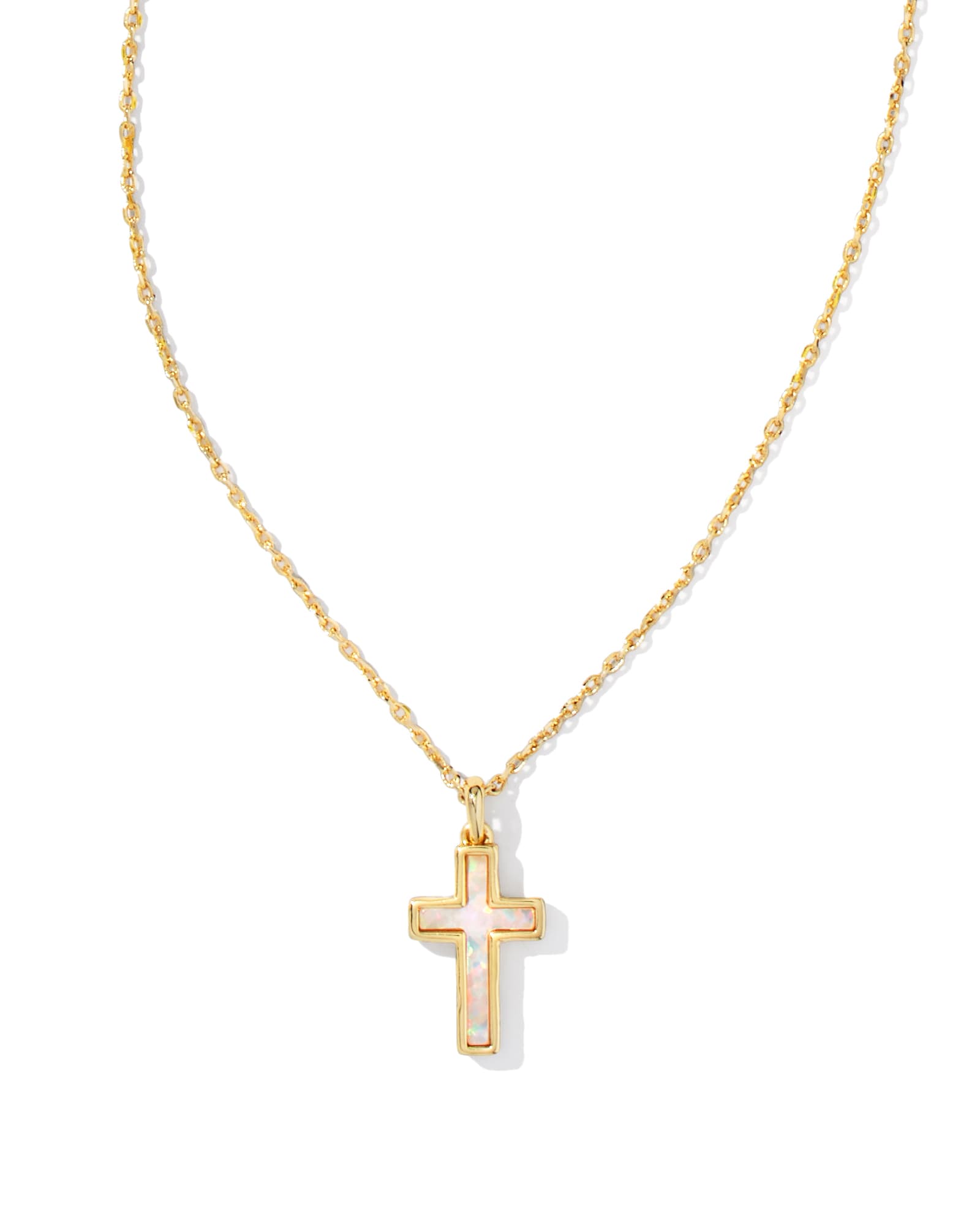
Chain For Men
Discover the perfect finishing touch to any look with a chain for men. Whether you're elevating everyday style or adding a bold accent for special occasions, these versatile pieces offer effortless sophistication. Explore designs that suit every personality, from classic and understated to modern and eye-catching. Find the chain for men that complements your unique sense of style and makes every outfit stand out.
Read More

Kendra Scott Kendra Scott Axel 24" Chain Necklace in 18k Gold Vermeil | Metal
A versatile 24" chain necklace in 18k Gold Vermeil, perfect for elevating any look.
$330 $330
SALE

Kendra Scott Kendra Scott Danielle Thick Chain Link Necklace
A bold multicolor chain link necklace crafted for a modern unisex style.
$80 $80
SALE
Chain For Men
A chain for men brings definition to an outfit through a simple combination of shape, proportion, and personal style. Worn at the neckline of a plain T-shirt, it adds a considered detail without competing with the rest of the look; set against a button-down shirt, it can feel more understated or more expressive depending on its width and length. The character of a chain starts with its links. Curb chains have a repeating pattern of interlocking links with a relatively flat profile, while Cuban-link designs are recognized for closely spaced links that create a substantial visual rhythm. Figaro chains alternate shorter links with an elongated link, giving the pattern a distinctive cadence. Rope chains have a twisting appearance that adds texture, while the repeating loops of a cable chain offer a straightforward, familiar silhouette. These design differences matter as much as overall size: two chains of similar width can make very different impressions when one has an open, airy pattern and the other looks closely connected. For someone who prefers clean lines, a restrained link pattern can become a finishing touch that works across several outfits. Someone who enjoys more visible accessories may gravitate toward a wider profile or a more pronounced texture. Exploring Men's Jewelry Chains offers a starting point for considering how those details fit an individual wardrobe. Color is another part of that decision. A warmer-looking finish can complement earthy clothing colors, while a cooler-looking finish creates a different contrast against the same shirt. Matching every accessory is not essential; a chain can echo the appearance of a watch or ring, or provide a deliberate point of difference. The most wearable choice often feels connected to the clothing and accessories someone already reaches for, whether that means a discreet accent beneath an open collar or a single, noticeable line over a crewneck.
Fit gives a men's chain necklace much of its personality, and the stated length is only the beginning. The same measurement can sit differently depending on neck size, shoulder proportions, posture, and the neckline underneath it. Lengths around 20 to 24 inches are common points of comparison, but they do not land in exactly the same place on everyone. A shorter chain may sit close to the base of the neck, while a longer one can create more space between the chain and the collar. Checking the length of a necklace that already fits comfortably offers a useful reference, especially when deciding whether the chain should remain visible above a shirt or fall over the fabric. Width changes the effect as well. A chain measuring roughly 2 to 4 millimeters across generally has a more understated appearance than one measuring 6 millimeters or more, though link shape and spacing also influence how substantial it looks. Neither width nor length alone determines comfort: weight, flexibility, clasp placement, and the way the links lie against clothing all contribute. For everyday dressing, a chain that settles neatly around the neckline can feel less distracting than one that repeatedly catches on a collar. For layering, a visible difference in length helps each necklace keep its own place rather than gathering into a single line. Combining a simpler pattern with a more textured one can add dimension without making the overall look feel crowded. A pendant introduces another consideration, since its attachment must fit the chain and the chain must be suitable for its weight. Compatibility should be confirmed rather than assumed from appearance. Materials and construction deserve the same attention. A warm or cool color does not establish what a chain is made of, and a substantial silhouette does not establish its weight or strength. The stated material, finish, measurements, and clasp details provide a more reliable basis for choosing than photographs alone, particularly for someone with known sensitivities or a preference for a lighter feel.
A well-chosen chain can suit many parts of a man's day, from a casual lunch to a dinner that calls for a more polished outfit. A narrow profile may appeal to someone wearing a necklace for the first time, while a person who already enjoys accessories may appreciate a distinctive link pattern that brings something different to familiar combinations. For gifting, those everyday habits offer meaningful clues. Someone who keeps clothing simple may enjoy a chain with enough presence to stand on its own; someone who regularly wears a pendant may care more about a compatible length and an unobtrusive pattern. Birthdays, graduations, anniversaries, and personal milestones are all occasions when a chain can mark a moment without needing an elaborate design. The thoughtfulness comes from noticing the recipient's style, preferred fit, and comfort rather than choosing the largest or most noticeable option. Practical details help that gift feel personal, too, including a clasp the wearer can manage comfortably and proportions that suit the way the necklace will be worn. Durability depends on the stated materials and construction as well as daily habits, so a substantial appearance should not be treated as a promise of resistance to bending, scratching, or wear. Linked designs need care around anything that could pull or snag them, and necklaces should be removed for activities where catching presents a risk. Following the care directions for the particular chain is important because finishes and materials can require different cleaning methods. Unless those directions say otherwise, avoiding unapproved cleaners, polishing treatments, and prolonged moisture exposure is a cautious approach. Allowing lotions and fragrance to dry before putting on a necklace can help limit residue, and storing chains separately with their clasps fastened can reduce tangling and friction. An occasional look at the clasp and links can also reveal a loose connection before the necklace is worn again. These small considerations support an accessory chosen for more than its first impression: a chain that feels comfortable, complements a familiar wardrobe, and gives its wearer another way to express personal style.
Read More