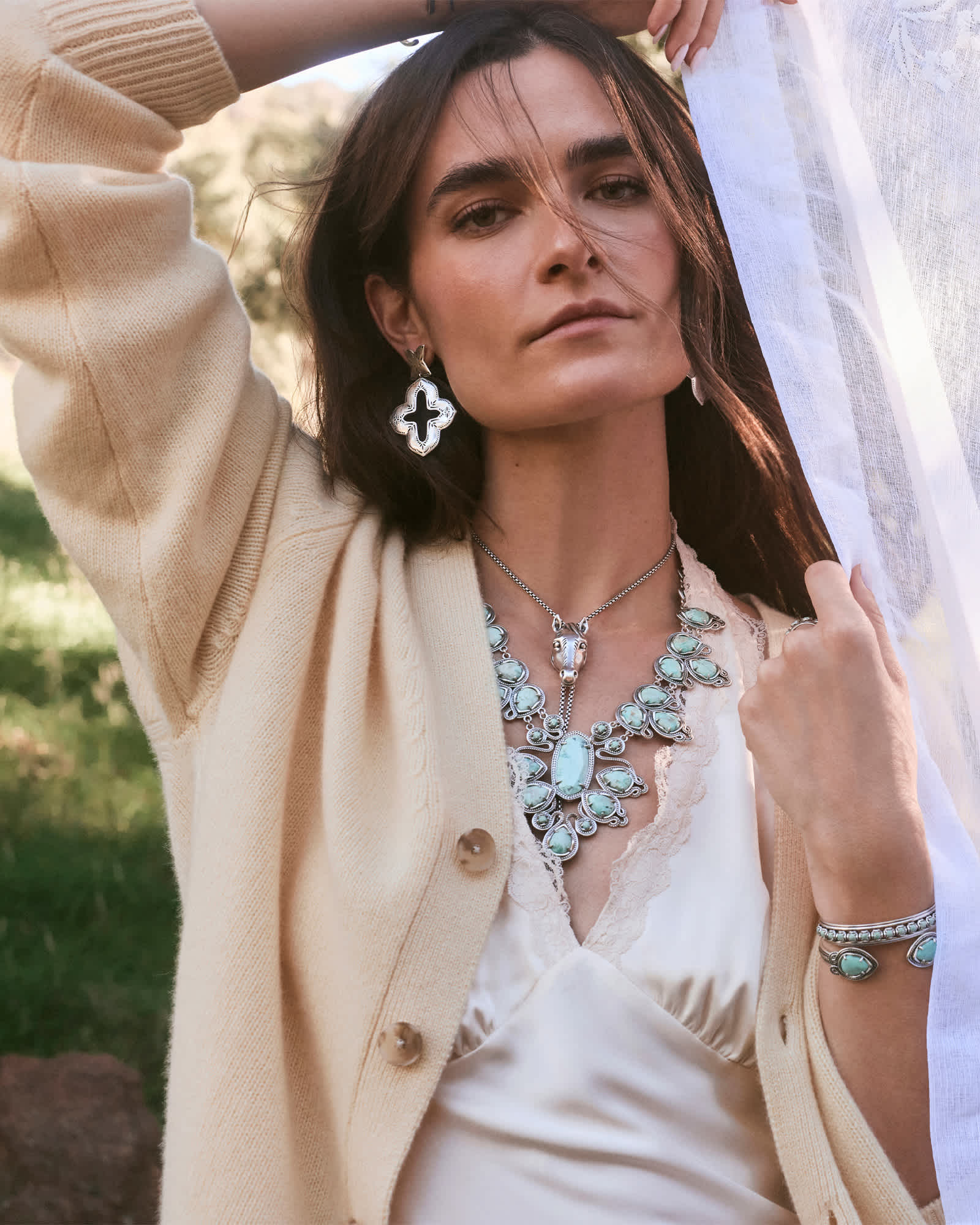
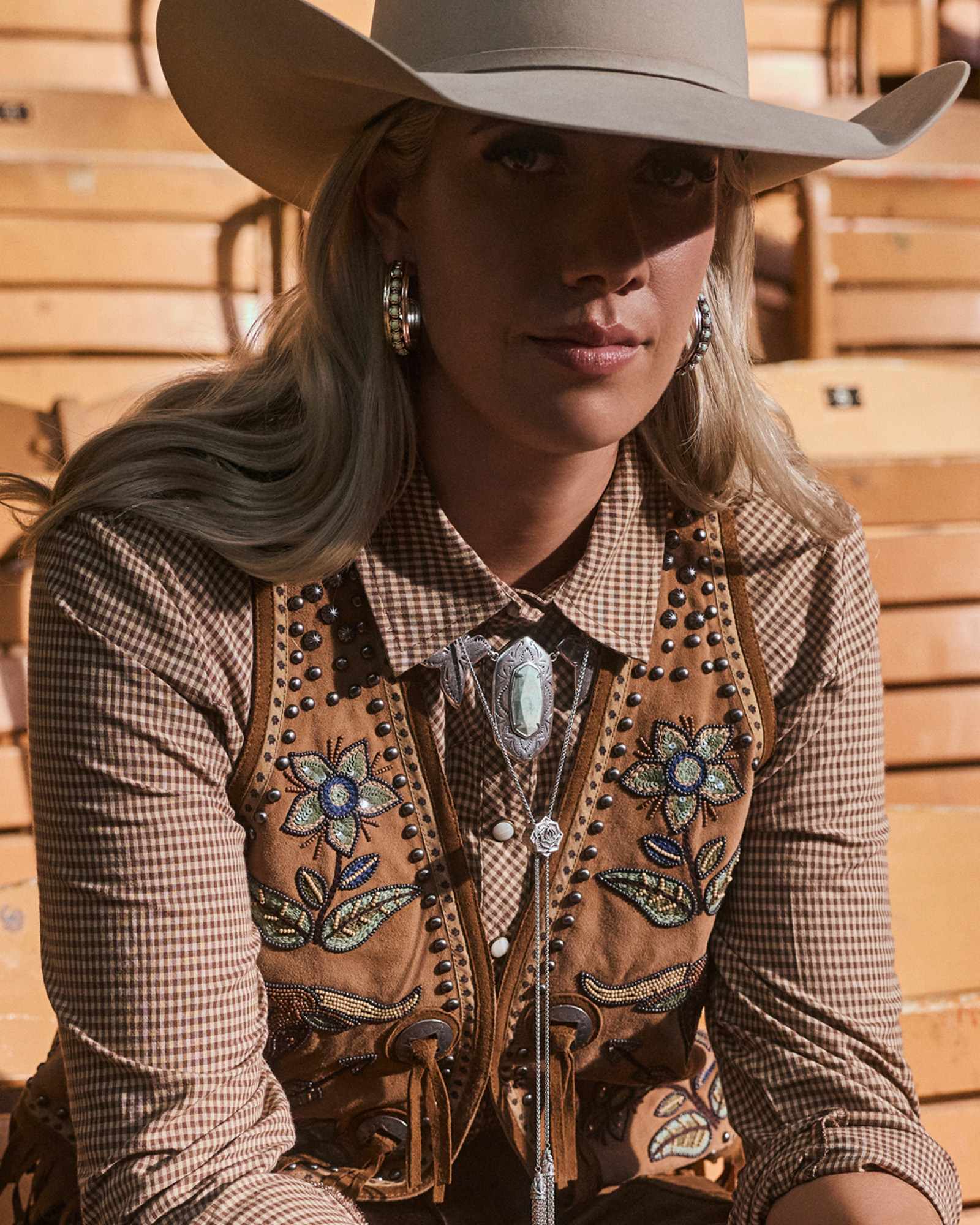
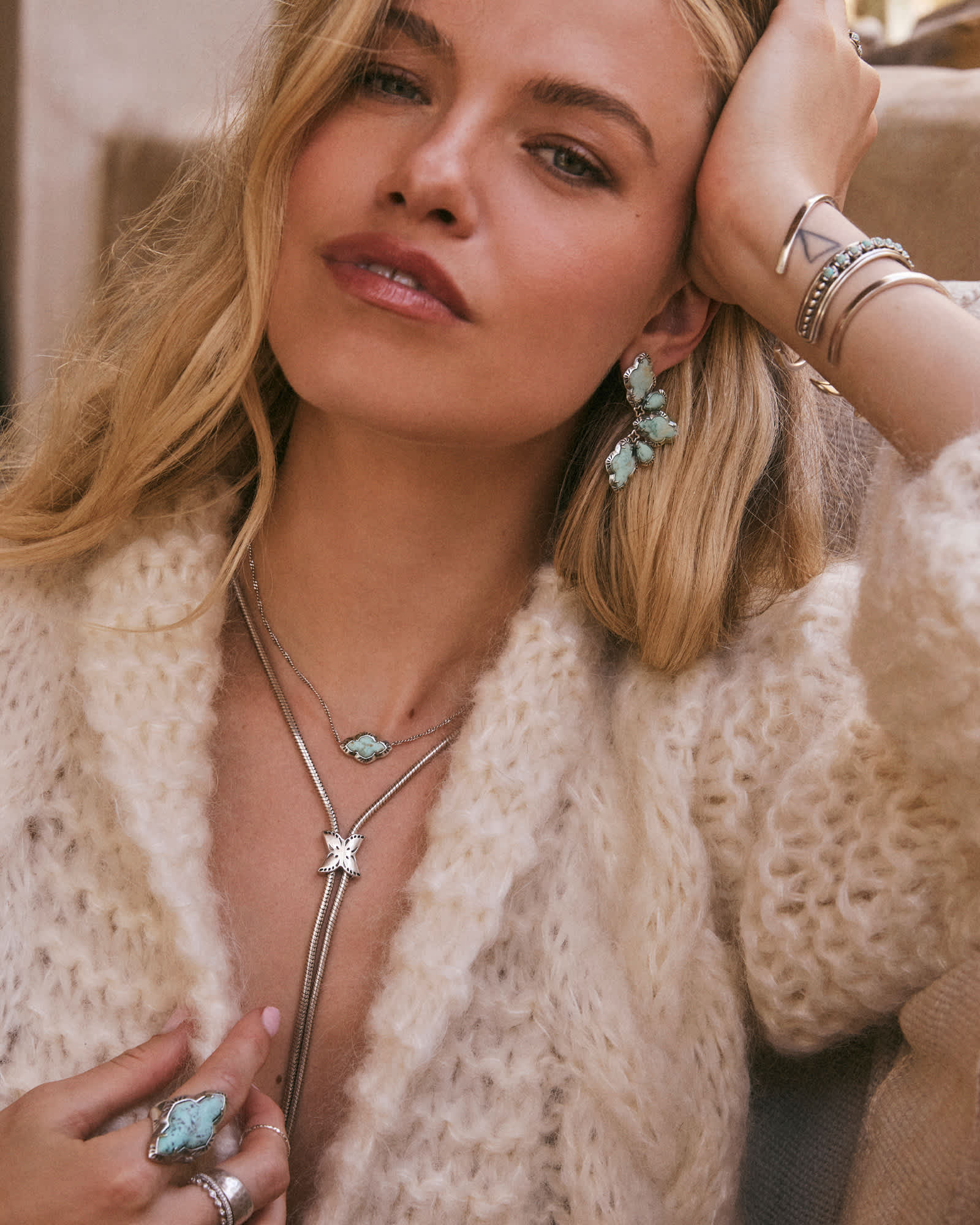
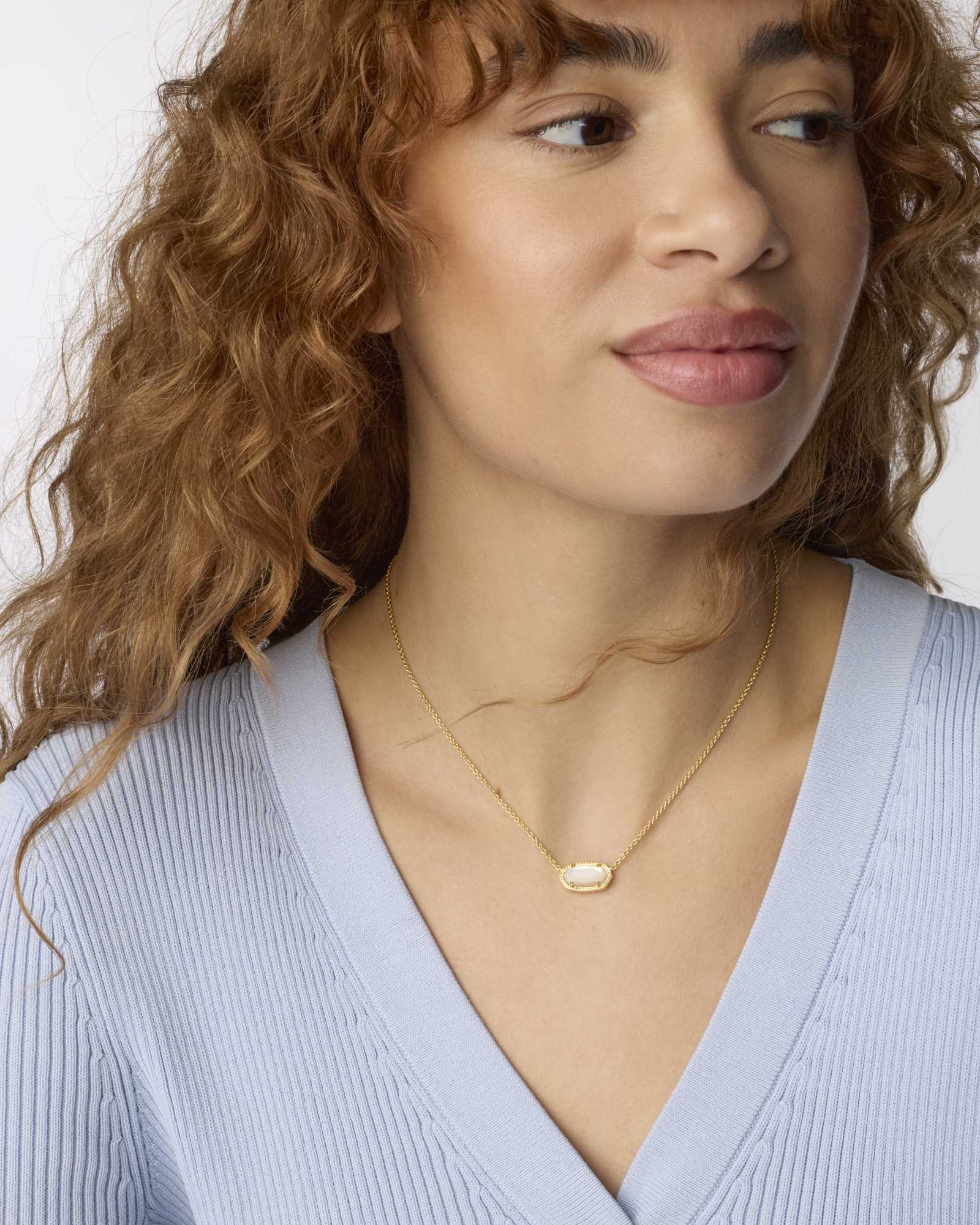
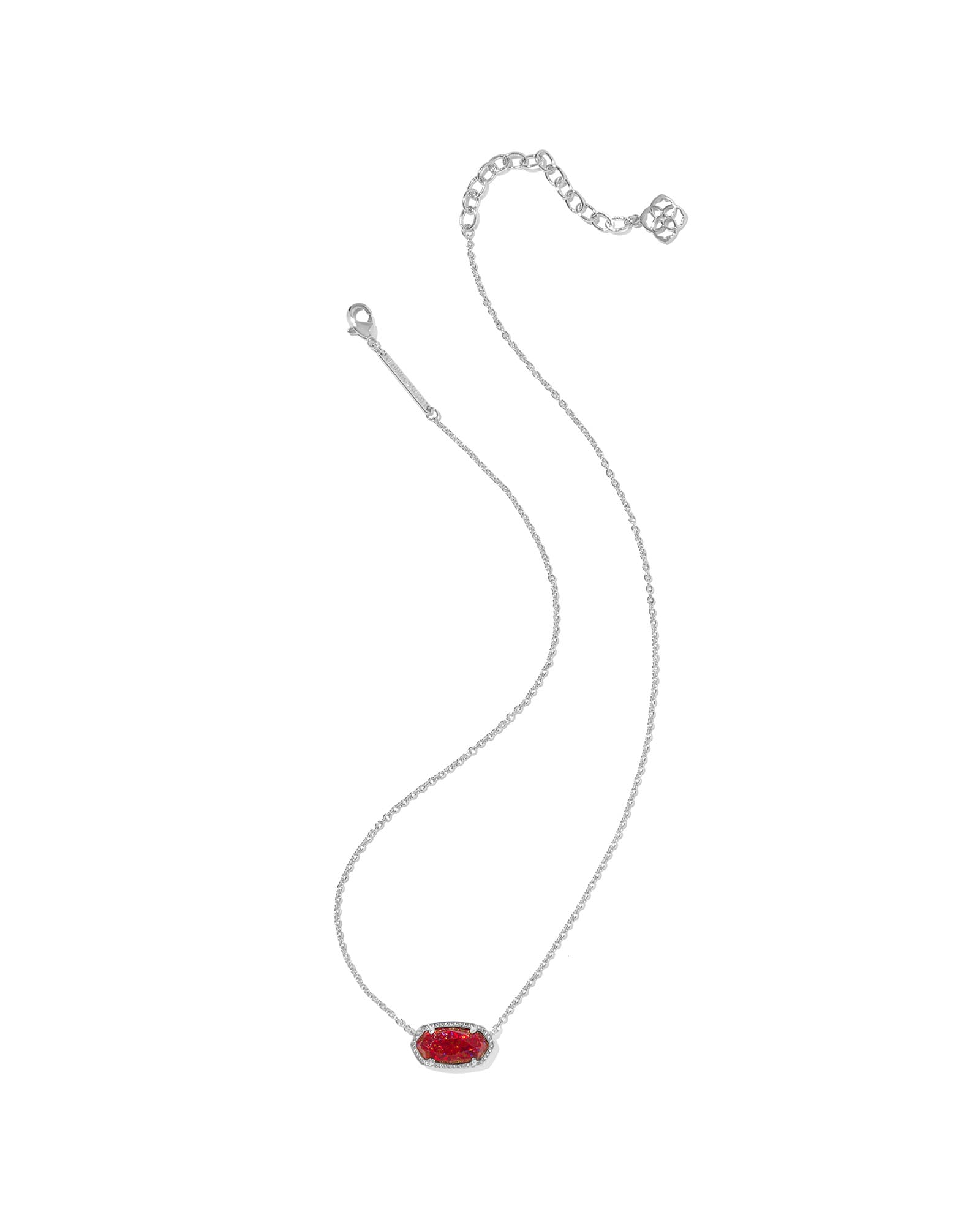
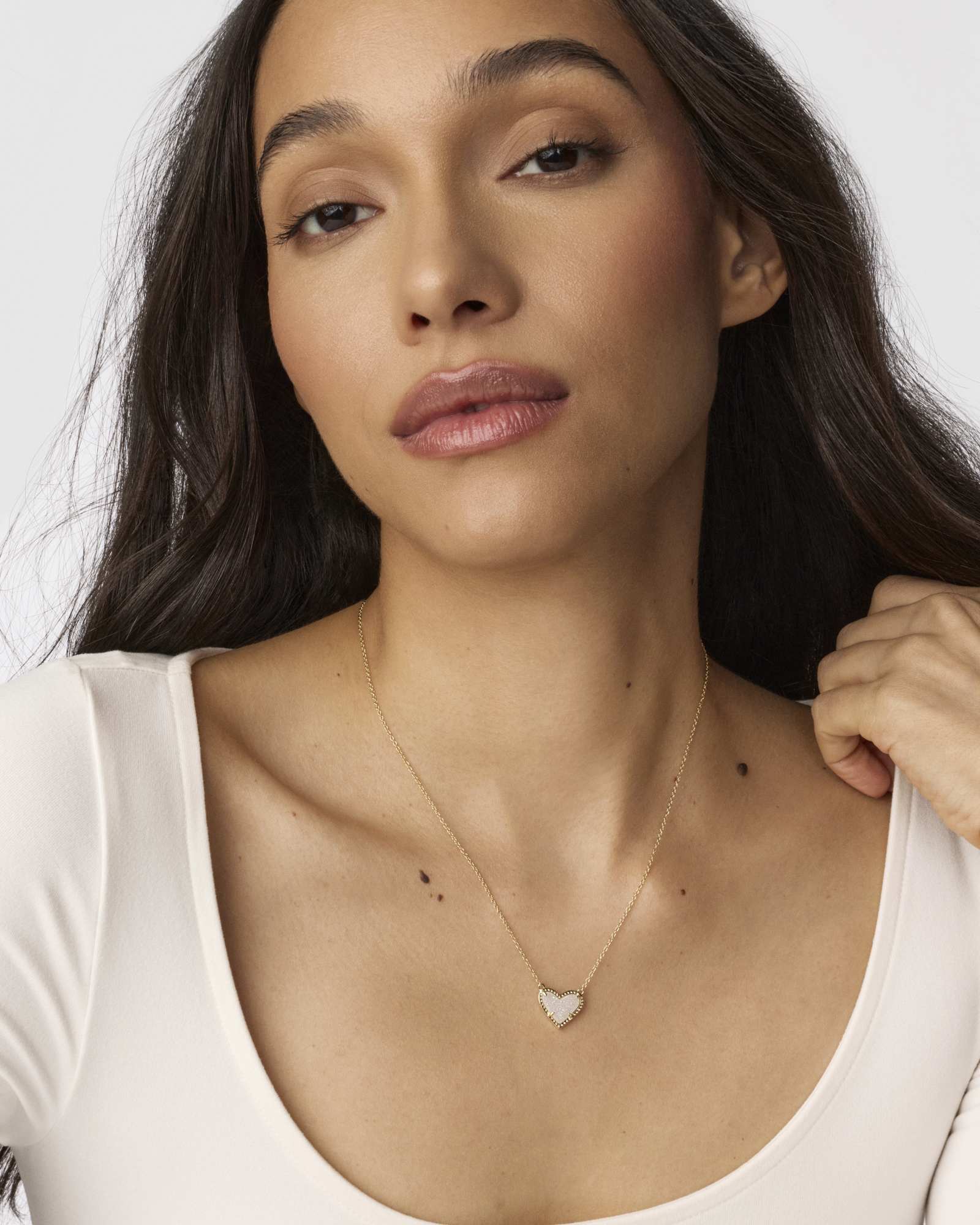
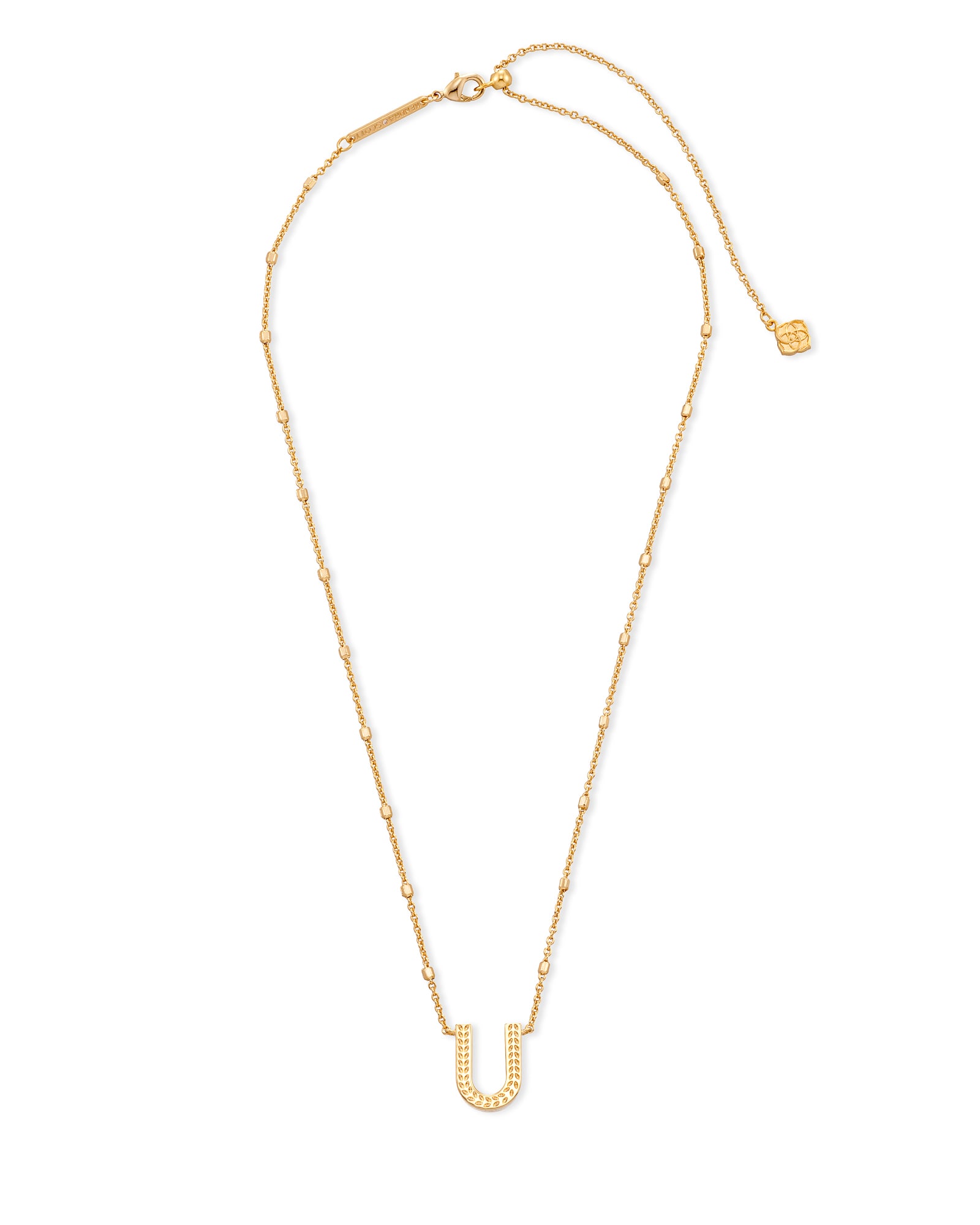
Bolo cord jewelry offers a unique blend of style and versatility, making it a must-have for any jewelry collection. With its adjustable design, bolo cord jewelry provides a customizable fit that complements any look, from casual to elegant. This trendy accessory is perfect for layering or wearing as a standalone statement piece, adding a touch of modern sophistication to your ensemble. Explore an array of designs and discover how bolo cord jewelry can effortlessly elevate your personal style with its chic and contemporary appeal.
- Home /
- Bolo Cord Jewelry
Bolo Cord Jewelry
Sort by:
0 Item(s)
Filter & Sort
Filter & Sort
0 item(s)
Sort by
This product is not available
Check out the following recommendations.
Bolo Cord Jewelry
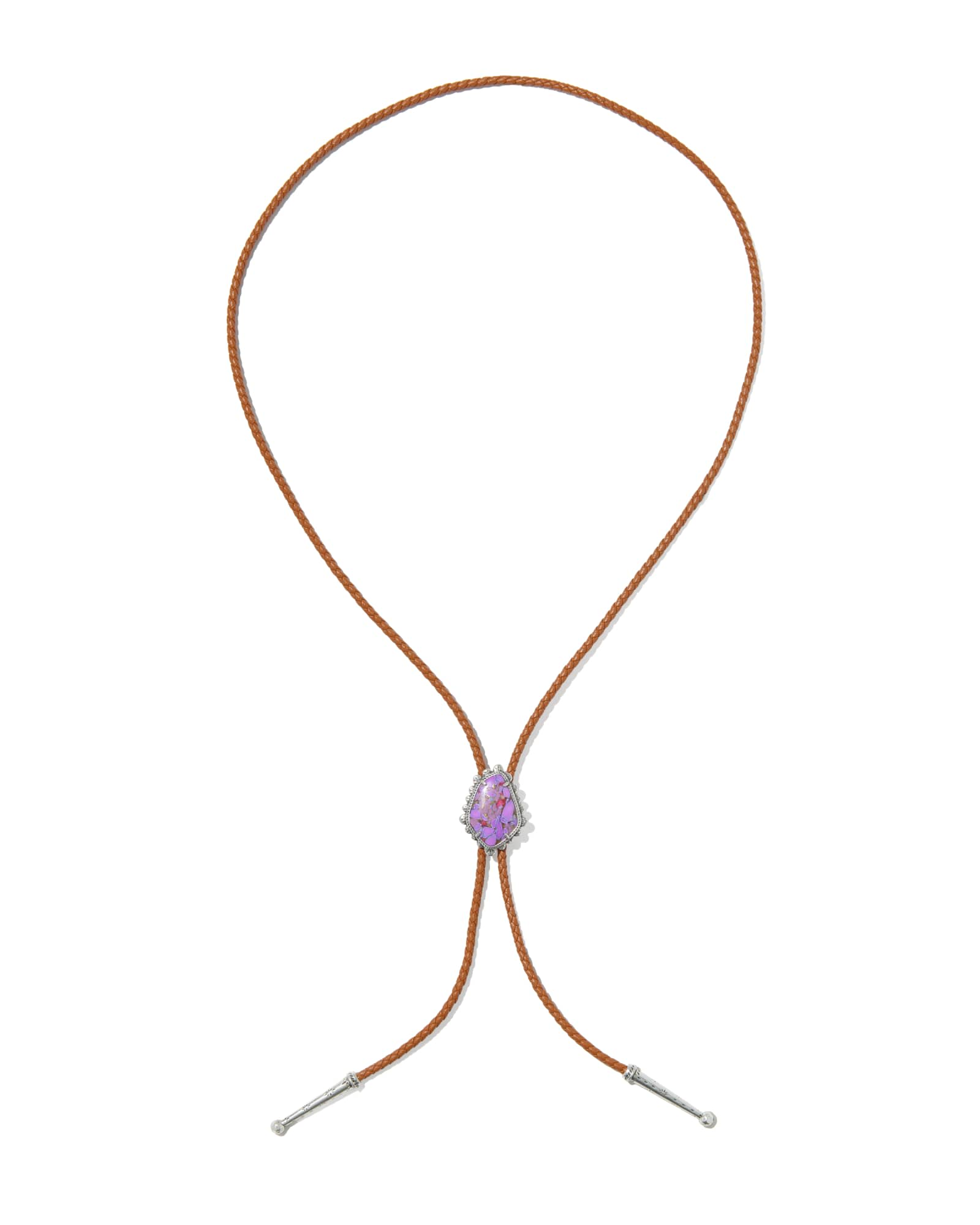
Bolo cord jewelry uses a flexible cord as a visible part of the design, often with a central slide that gathers two lengths of cord and leaves the ends hanging below it. That shape comes from the traditional bolo tie, a familiar detail in western dress. In jewelry, the same silhouette can feel understated or expressive depending on the thickness of the cord, the scale of the center detail, and the length of the ends. Some necklaces keep the classic two-tail shape, while others use a simple loop that puts the focus on the cord itself. The cord’s material and finish both affect how it feels against the skin and how it drapes, so it helps to consider softness and flexibility alongside color. A slim, smooth cord draws a clean line and lets a pendant or slide take the focus. A fuller braid gives the cord more presence, with a pattern that’s easy to see even when the rest of the design is simple. Explore Braided Cord Jewelry for a closer look at styles where that woven texture is part of the appeal. Color changes the effect, too. A dark cord against a light shirt brings out the shape of the loop and the drop of the ends, while a cord close to the color of the fabric lets the center detail stand out. Those differences make the bolo silhouette easy to wear without leaning into a full western look. The long lines can be the only decorative detail against a plain top, or the cord can echo the texture of a denim jacket without competing with its seams and pockets.
Fit starts with where the center of the necklace sits and where the ends fall. On a style with an adjustable slide, a higher position brings the focal point closer to the collar, while a lower position gives the cord a more relaxed drape. The total length still matters: two necklaces can sit at the same point on the neckline but look quite different if one has longer tails. With a button-front shirt, a higher slide can sit neatly between the collar points while the ends follow the line of the placket. Over a crew neck, a lower placement can keep the center detail from landing directly on the neckline seam, where it may shift as the fabric moves. If the design has a fixed closure, comparing its measurements with a necklace that already sits comfortably can give a better sense of fit than judging length from a photo alone. For cord bracelets, a close but comfortable fit helps keep the design from sliding over the hand, and shorter ends can be practical for typing or other work at a desk. Any closure that needs to pass over the hand should be measured for that opening as well as for the fit at the wrist. The scale of the cord also changes how it layers. A slim cord can sit beside a shorter necklace without crowding it, especially when the focal points land at different heights. A thicker cord or a more pronounced slide may be all the detail a neckline needs. For a dinner out, that single vertical line can give a simple dress some definition; for everyday wear, it adds a point of interest to a tee without covering much of the fabric.
For a gift, the recipient’s usual jewelry and favorite necklines offer better clues than a dress code. Someone who wears small earrings and simple necklaces may like a slimmer cord with a compact center detail, while someone who tends to choose sculptural shapes may appreciate a wider braid or a more prominent slide. An adjustable design can leave room for different necklines and wearing preferences, though the overall length and range of movement are still worth checking. A cord bracelet can make a thoughtful birthday or thank-you gift for someone who likes detail at the wrist but rarely wears necklaces. For daily wear, consider how the jewelry will move with the person wearing it. Long ends can brush a tabletop or catch under a bag strap, while a shorter drop may stay out of the way more easily. Repeated rubbing at the same point can wear a cord over time, so it’s worth noticing where a slide travels and where the cord meets a clasp or an end fitting. Move an adjustable slide gently, keeping the cord free of twists rather than tugging on the ends. Follow the care directions for the cord and any decorative parts, since a cleaning method suited to one component may not suit another. When the care directions call for a dry cloth, use it gently instead of scrubbing at the surface. Setting cord jewelry aside before swimming, showering, or exercising helps limit exposure to water and sweat, and putting it on after lotion or fragrance has dried helps prevent residue from collecting on the cord. Store it in a loose curve, away from pieces that could catch on the surface or press a crease into it. With the right drop, a comfortable fit, and a little care, the cord can stay the detail that makes a familiar outfit feel distinctly personal.