- Home /
- Bold Lace Cuff Bracelets
Bold Lace Cuff Bracelets
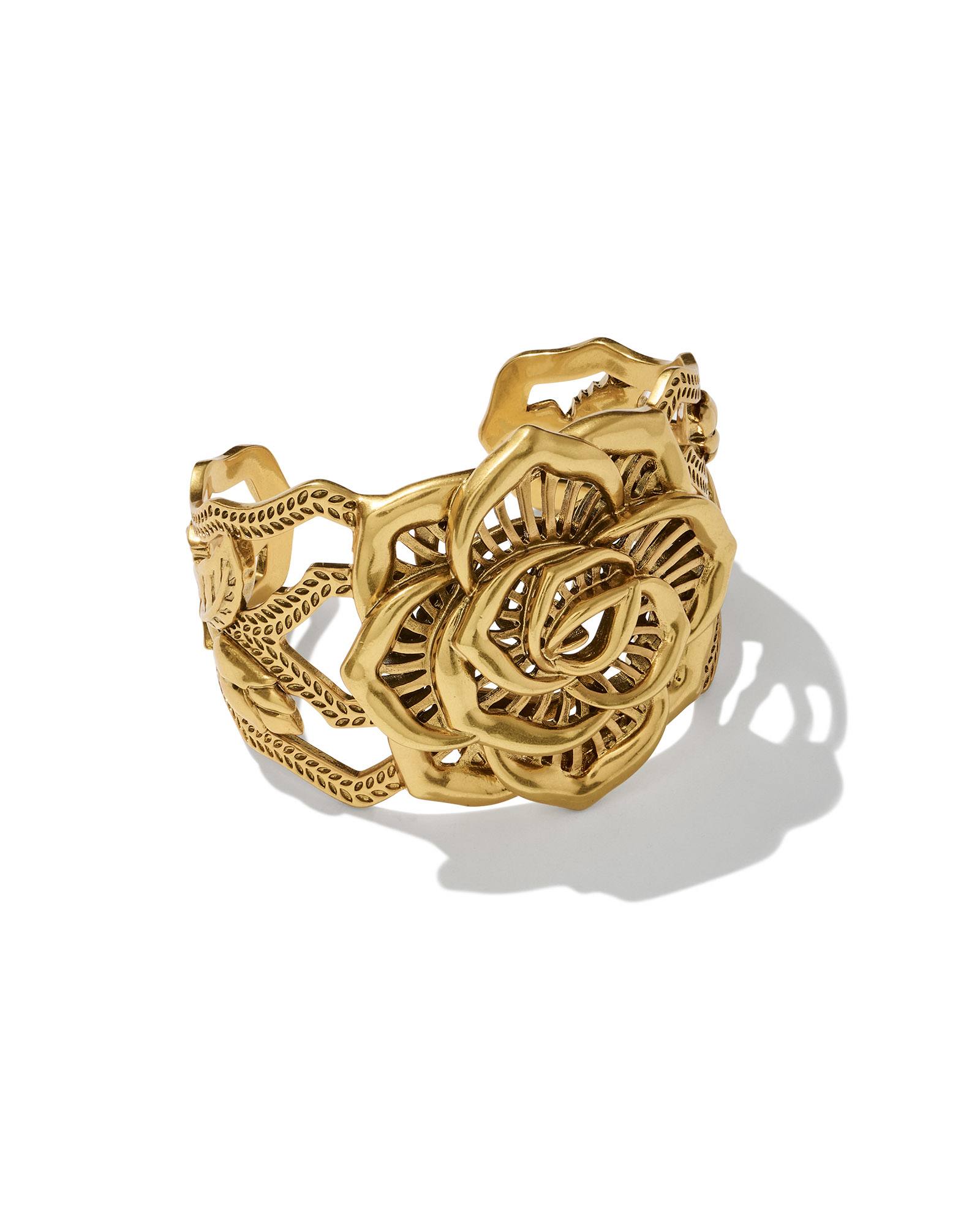
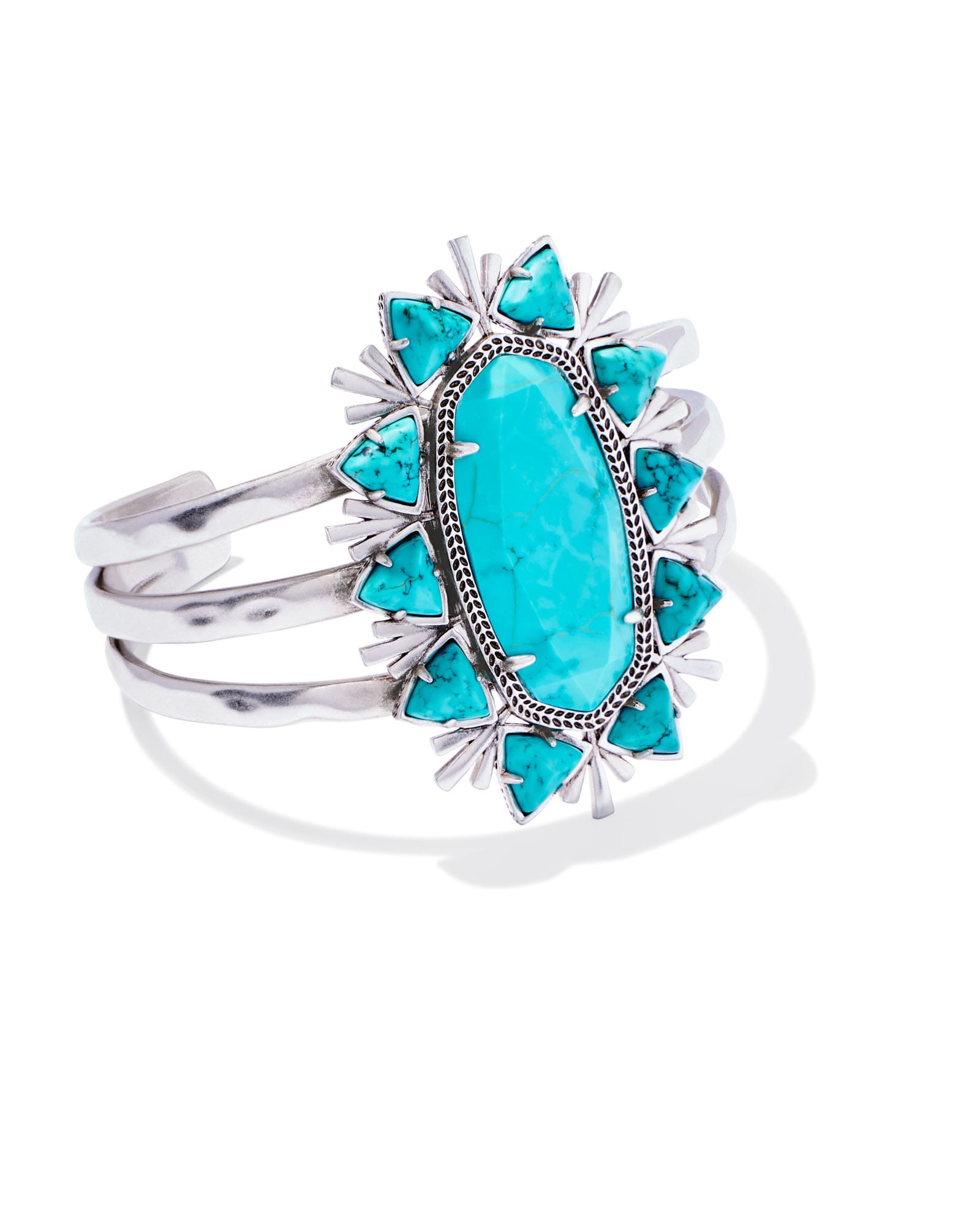
Bold lace cuff bracelets make a striking statement with their intricate designs and eye-catching silhouettes. Perfect for elevating any look, these accessories blend delicate artistry with a daring touch, offering a unique way to express your personal style. Whether paired with casual outfits or dressed up for special occasions, bold lace cuff bracelets add a sophisticated flair that stands out in any setting. Explore the collection to find the perfect piece that captures your individuality and brings a touch of elegance to your jewelry box.
Sort by:
0 Item(s)
Filter & Sort
Filter & Sort
0 item(s)
Sort by
This product is not available
Check out the following recommendations.
Bold Lace Cuff Bracelets
Bold lace cuff bracelets bring together the visual impact of a wide bracelet and the intricate rhythm of lace-inspired patterns. The appeal lies in that contrast: a substantial outline gives the wrist definition, while delicate-looking shapes and spaces create detail within the larger silhouette. Here, lace describes an aesthetic rather than necessarily identifying a fabric, so the pattern and the stated materials are separate considerations. Loops, repeating curves, scalloped outlines, and floral-inspired arrangements can each give a cuff a different personality, from romantic to distinctly geometric. A pattern with larger openings may feel more graphic, while closely spaced details can suggest the richness of decorative embroidery. The overall effect depends as much on the spaces between the shapes as on the shapes themselves. Against a simple sleeve or bare wrist, those details have room to stand out without requiring an elaborate outfit. That makes a lace-inspired statement cuff an expressive choice for someone who enjoys jewelry with presence but prefers intricacy to an oversized, uninterrupted surface. It can become the focal point of a dinner outfit, add interest to tailored separates, or lend a celebratory touch to a familiar dress. Rather than competing with every other accessory, a cuff often works best when its pattern has a clear place in the overall look. Small earrings, a simple neckline, or a single understated ring can keep the attention on the wrist. For a more layered approach, repeating one curve or shape elsewhere in the outfit creates a connection without making every accessory match. Those drawn to the broader statement silhouette can also explore Bold Cuff Bracelets, with the lace-inspired look offering a particularly detailed expression of that style. The distinction is less about dressing formally and more about choosing a piece whose scale and pattern feel personal, whether the occasion is an evening celebration or an ordinary day that calls for something expressive.
When choosing a lace cuff bracelet, proportion and comfort deserve as much attention as the decorative pattern. Width determines how much of the wrist the bracelet covers, while the interior dimensions and opening help determine how it sits and how easily it can be put on. A wider design may sit differently as the wrist bends, especially during everyday movements such as typing, carrying a bag, or resting an arm on a table. Checking the listed measurements against a bracelet that already feels comfortable can provide a useful point of reference. The best fit should feel secure without pressing into the skin, and it should allow ordinary movement without repeatedly sliding onto the hand. An open cuff is not automatically adjustable; repeated squeezing or pulling can put stress on a design that was not made to be reshaped. Any adjustment should follow the stated directions for that bracelet. Surface details matter, too, particularly for someone who wears fine knits or loosely woven sleeves. Raised edges and intricate openings deserve a little extra attention when dressing, since textured clothing can catch against jewelry. Materials should be evaluated through the individual description rather than inferred from color, shine, or a lace-like appearance. A warm or cool hue does not, by itself, establish a bracelet’s composition, and a delicate-looking pattern does not reveal its weight. For sensitive skin, reviewing the stated composition is especially important; appearance alone cannot establish whether a design will suit a particular wearer. Durability likewise depends on the actual construction and the way the bracelet is worn, not simply on how substantial it looks. Someone planning to wear a cuff throughout a workday may prioritize a comfortable profile and easy movement, while someone choosing an accessory for occasional celebrations may place more emphasis on a dramatic outline. Both approaches leave room for personal style, with fit, dimensions, and the supplied care information helping turn a visual favorite into a considered choice.
Lace-inspired cuff bracelets lend themselves to thoughtful gifting because their character is easy to connect with someone’s existing style. A person who gravitates toward embroidered blouses, patterned scarves, or architectural accessories may appreciate the balance of intricate detail and defined shape. The connection need not be literal: a cuff with a flowing pattern can bring softness to a wardrobe built around crisp shirts and clean tailoring, while a more structured motif can give a romantic outfit a sharper finishing touch. For a birthday, anniversary, or meaningful personal milestone, considering how the recipient actually dresses is more useful than choosing solely for the occasion. Notice whether bracelets are part of their daily routine, whether they prefer one expressive accessory or several smaller accents, and whether close-fitting wristwear feels comfortable to them. If sizing information is available, use it rather than assuming that every cuff fits every wrist. During the cooler months, sleeve length becomes another practical styling consideration. A cuff can sit neatly below a cropped sleeve or appear when a tailored cuff is turned back, allowing the pattern to remain visible without crowding the wrist. For an evening gathering, keeping a handbag strap and other wrist accessories on the opposite side can give the bracelet a little more space. Care between wears helps preserve its appearance and protects intricate details from unnecessary strain. Follow the bracelet’s own cleaning directions, since suitable methods depend on its stated materials and finish. Avoid assuming that a household cleaner, polishing treatment, or soaking method is appropriate for every design. Removing jewelry before exercise, cleaning, or hands-on tasks can reduce exposure to impact and substances that may affect the surface. Store a cuff separately so its pattern is less likely to catch on chains or rub against other accessories, and avoid forcing it into a crowded compartment. With attention to fit, thoughtful styling, and care suited to its construction, a lace-inspired cuff can become a familiar finishing touch: distinctive enough to mark a celebration and versatile enough to make a simple outfit feel more individual.
When choosing a lace cuff bracelet, proportion and comfort deserve as much attention as the decorative pattern. Width determines how much of the wrist the bracelet covers, while the interior dimensions and opening help determine how it sits and how easily it can be put on. A wider design may sit differently as the wrist bends, especially during everyday movements such as typing, carrying a bag, or resting an arm on a table. Checking the listed measurements against a bracelet that already feels comfortable can provide a useful point of reference. The best fit should feel secure without pressing into the skin, and it should allow ordinary movement without repeatedly sliding onto the hand. An open cuff is not automatically adjustable; repeated squeezing or pulling can put stress on a design that was not made to be reshaped. Any adjustment should follow the stated directions for that bracelet. Surface details matter, too, particularly for someone who wears fine knits or loosely woven sleeves. Raised edges and intricate openings deserve a little extra attention when dressing, since textured clothing can catch against jewelry. Materials should be evaluated through the individual description rather than inferred from color, shine, or a lace-like appearance. A warm or cool hue does not, by itself, establish a bracelet’s composition, and a delicate-looking pattern does not reveal its weight. For sensitive skin, reviewing the stated composition is especially important; appearance alone cannot establish whether a design will suit a particular wearer. Durability likewise depends on the actual construction and the way the bracelet is worn, not simply on how substantial it looks. Someone planning to wear a cuff throughout a workday may prioritize a comfortable profile and easy movement, while someone choosing an accessory for occasional celebrations may place more emphasis on a dramatic outline. Both approaches leave room for personal style, with fit, dimensions, and the supplied care information helping turn a visual favorite into a considered choice.
Lace-inspired cuff bracelets lend themselves to thoughtful gifting because their character is easy to connect with someone’s existing style. A person who gravitates toward embroidered blouses, patterned scarves, or architectural accessories may appreciate the balance of intricate detail and defined shape. The connection need not be literal: a cuff with a flowing pattern can bring softness to a wardrobe built around crisp shirts and clean tailoring, while a more structured motif can give a romantic outfit a sharper finishing touch. For a birthday, anniversary, or meaningful personal milestone, considering how the recipient actually dresses is more useful than choosing solely for the occasion. Notice whether bracelets are part of their daily routine, whether they prefer one expressive accessory or several smaller accents, and whether close-fitting wristwear feels comfortable to them. If sizing information is available, use it rather than assuming that every cuff fits every wrist. During the cooler months, sleeve length becomes another practical styling consideration. A cuff can sit neatly below a cropped sleeve or appear when a tailored cuff is turned back, allowing the pattern to remain visible without crowding the wrist. For an evening gathering, keeping a handbag strap and other wrist accessories on the opposite side can give the bracelet a little more space. Care between wears helps preserve its appearance and protects intricate details from unnecessary strain. Follow the bracelet’s own cleaning directions, since suitable methods depend on its stated materials and finish. Avoid assuming that a household cleaner, polishing treatment, or soaking method is appropriate for every design. Removing jewelry before exercise, cleaning, or hands-on tasks can reduce exposure to impact and substances that may affect the surface. Store a cuff separately so its pattern is less likely to catch on chains or rub against other accessories, and avoid forcing it into a crowded compartment. With attention to fit, thoughtful styling, and care suited to its construction, a lace-inspired cuff can become a familiar finishing touch: distinctive enough to mark a celebration and versatile enough to make a simple outfit feel more individual.